“...In the autumn of 1991 and early 1992, the door to Western engagement and influence on the reform of Russia’s economy and politics was wide open. Questions of sovereignty, which often give rise to serious tensions between donors and recipient countries, simply were not an issue for Russian reformers at this early stage.” - Goldgeier, J., & McFaul, M. Power and Purpose: U.S. Policy toward Russia after the Cold War.
Among foreign organizations working in Russia in the early 1990s, the most active was the Harvard Institute for International Development. In the autumn of 1991, its representatives Jeffrey Sachs and Andrei Shleifer met with Yegor Gaidar and Anatoly Chubais, who were then developing Russia’s economic reform program, and offered their consulting services. The offer was accepted, in part because Gaidar and Chubais, who were then little known in Russia, needed domestic political support.
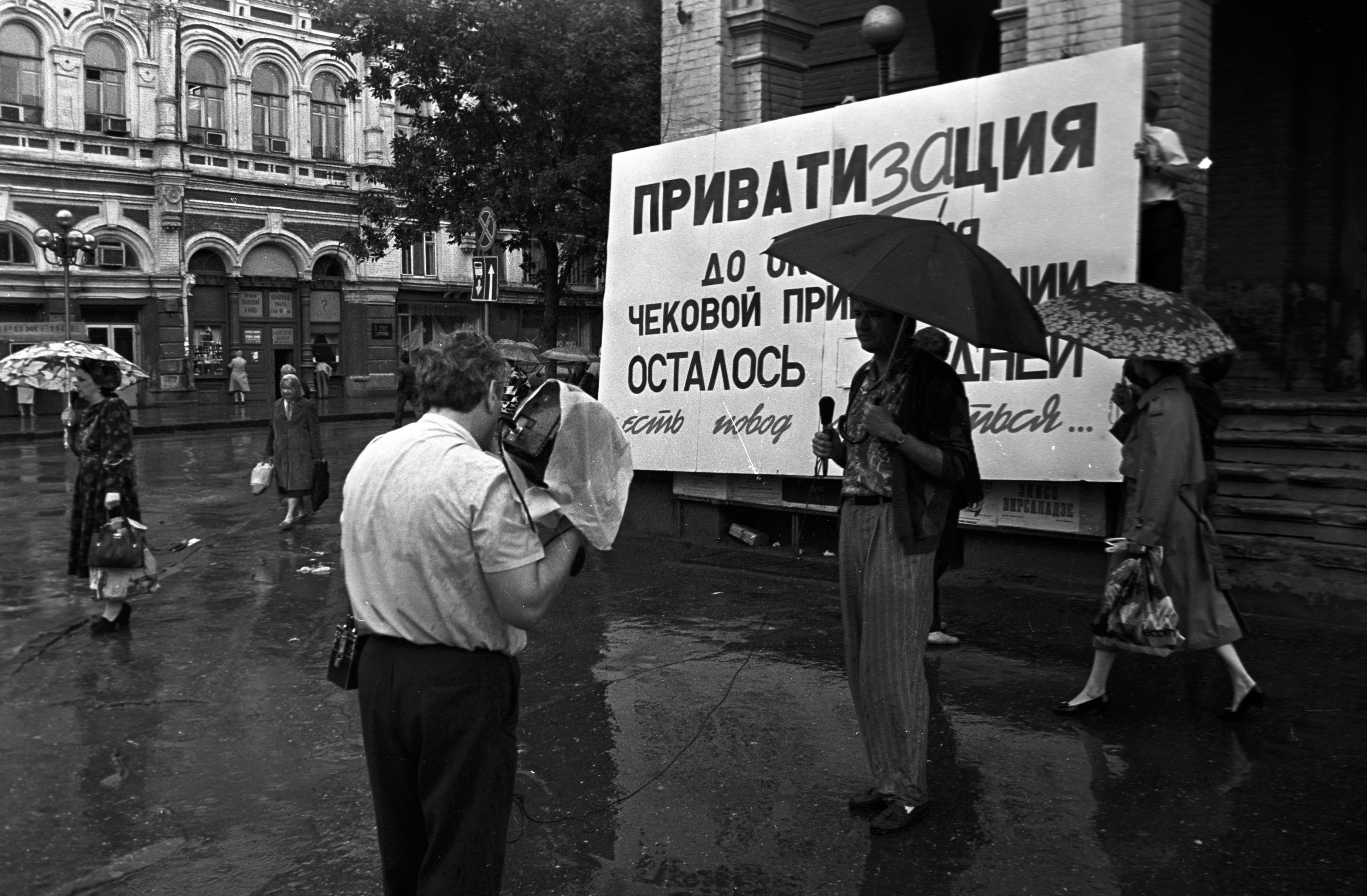
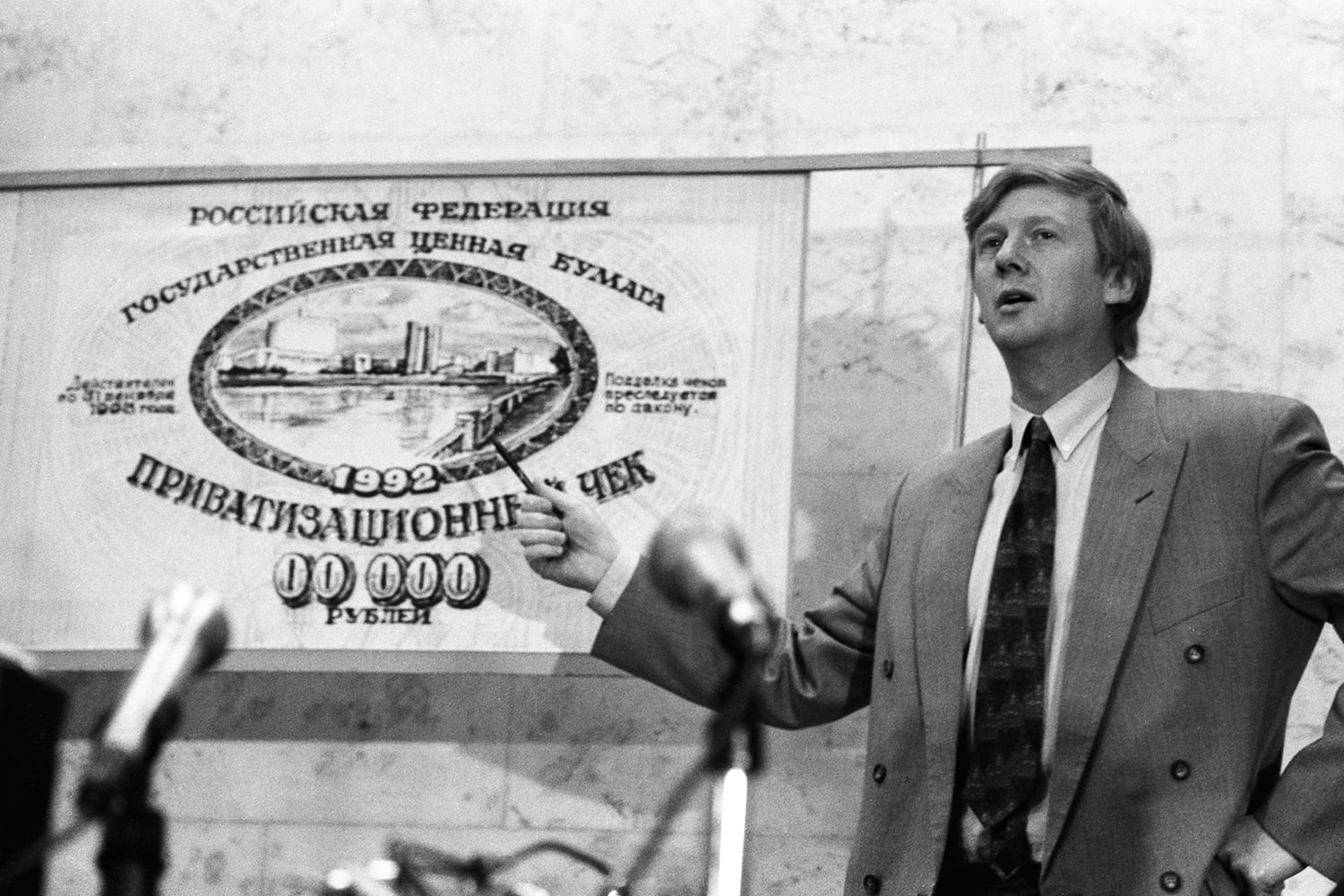
This marked the beginning of the infamous "Russian Project." Initially, its funding was provided through several small grants from the U.S. Agency for International Development and the World Bank. After becoming an advisor to Anatoly Chubais, then head of the State Property Committee, Andrei Shleifer—together with Jonathan Hay, another staff member of the Harvard Institute for International Development—began preparing a program for the mass accelerated privatization of 15,000 state-owned enterprises. In total, ten advisors were seconded to the State Property Committee through the Harvard Institute for International Development, at a cost of $7.75 million.
The performance of Shleifer and Hay was highly regarded by the administration of President Bill Clinton. A decision was made to use the U.S. Agency for International Development to sponsor programs that would ensure the presence of American consultants in all Russian government agencies involved in the economic reform process—most notably the Central Bank, the Ministry of Finance, the Ministry of Economy, and the Federal Securities Commission. In effect, all financial resources allocated by the U.S. government in the mid-1990s to facilitate economic reforms in Russia ended up under the management of Shleifer and Hay. This continued until 1997, when the "Russian Project" was shut down.