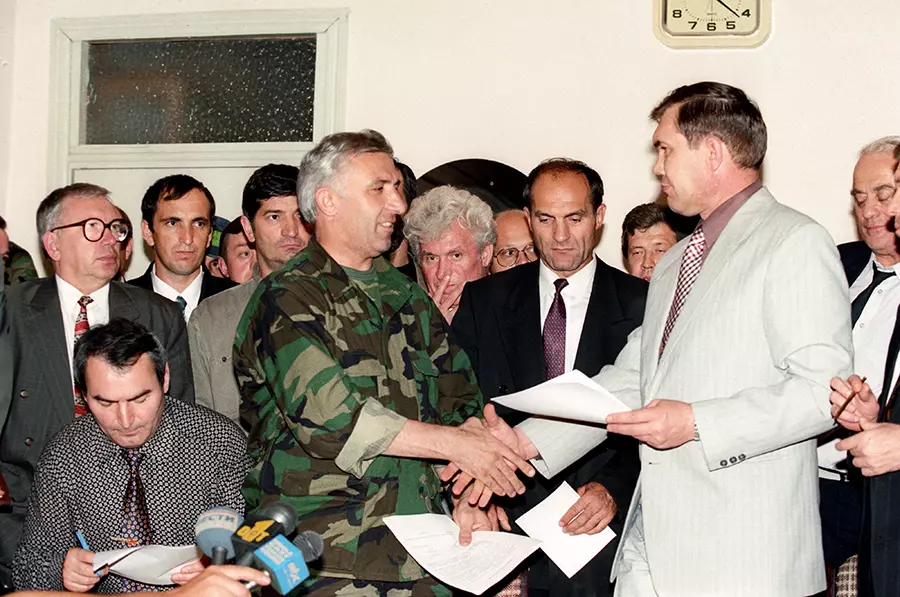
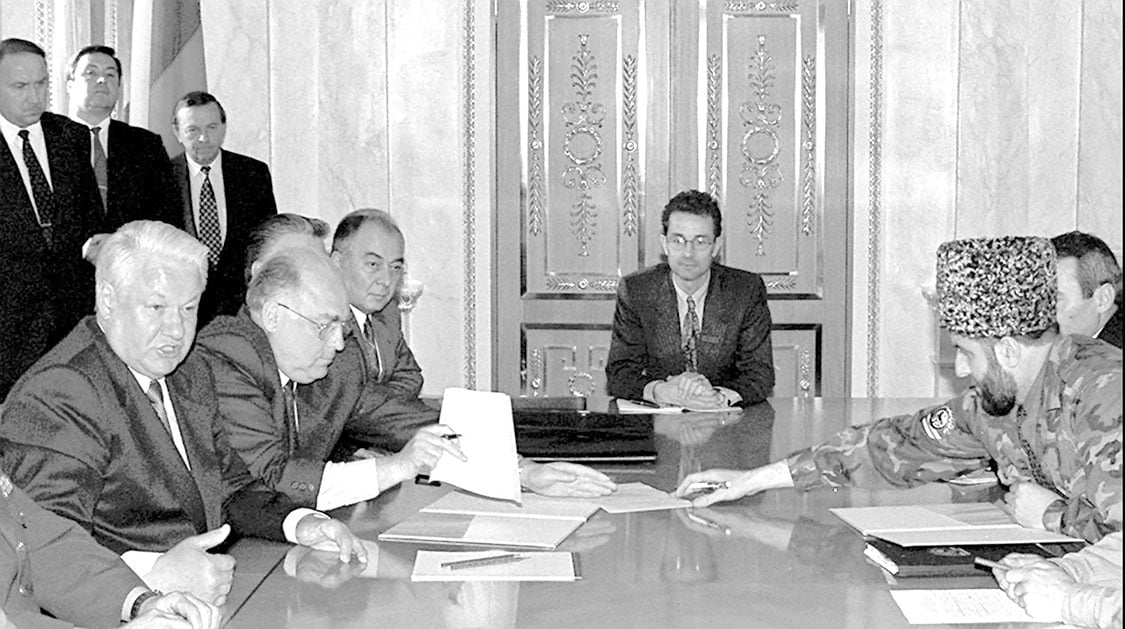
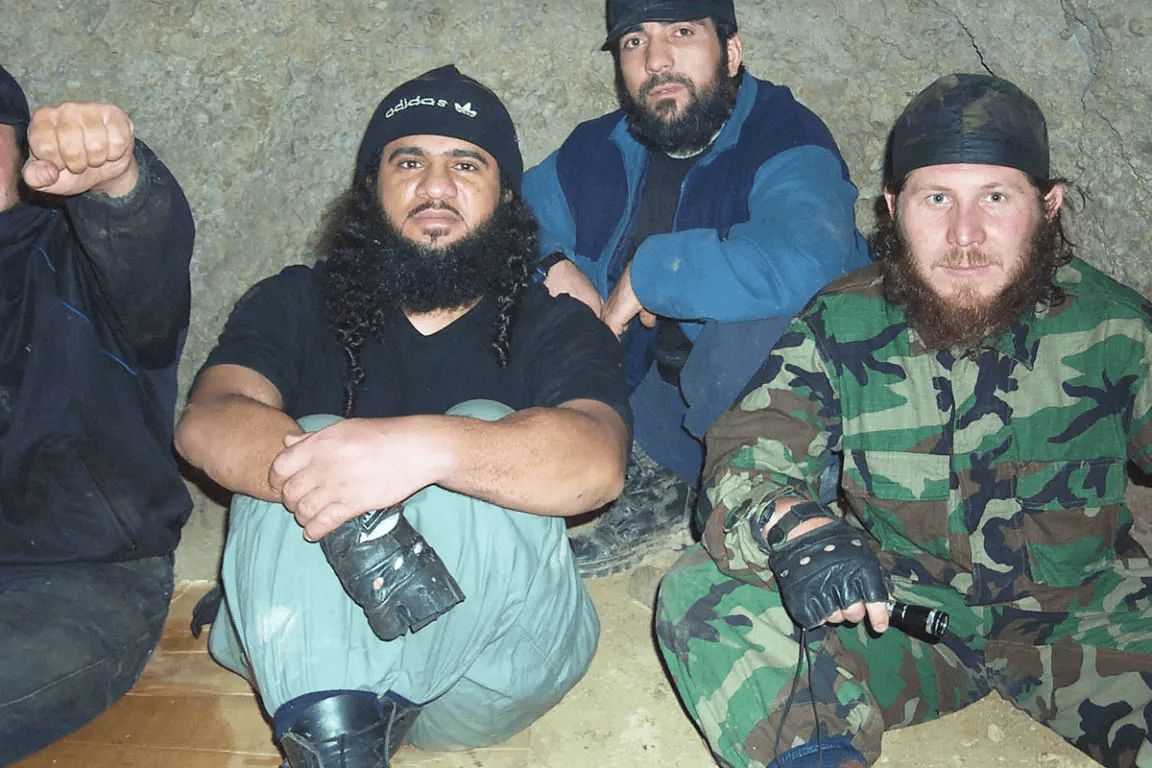
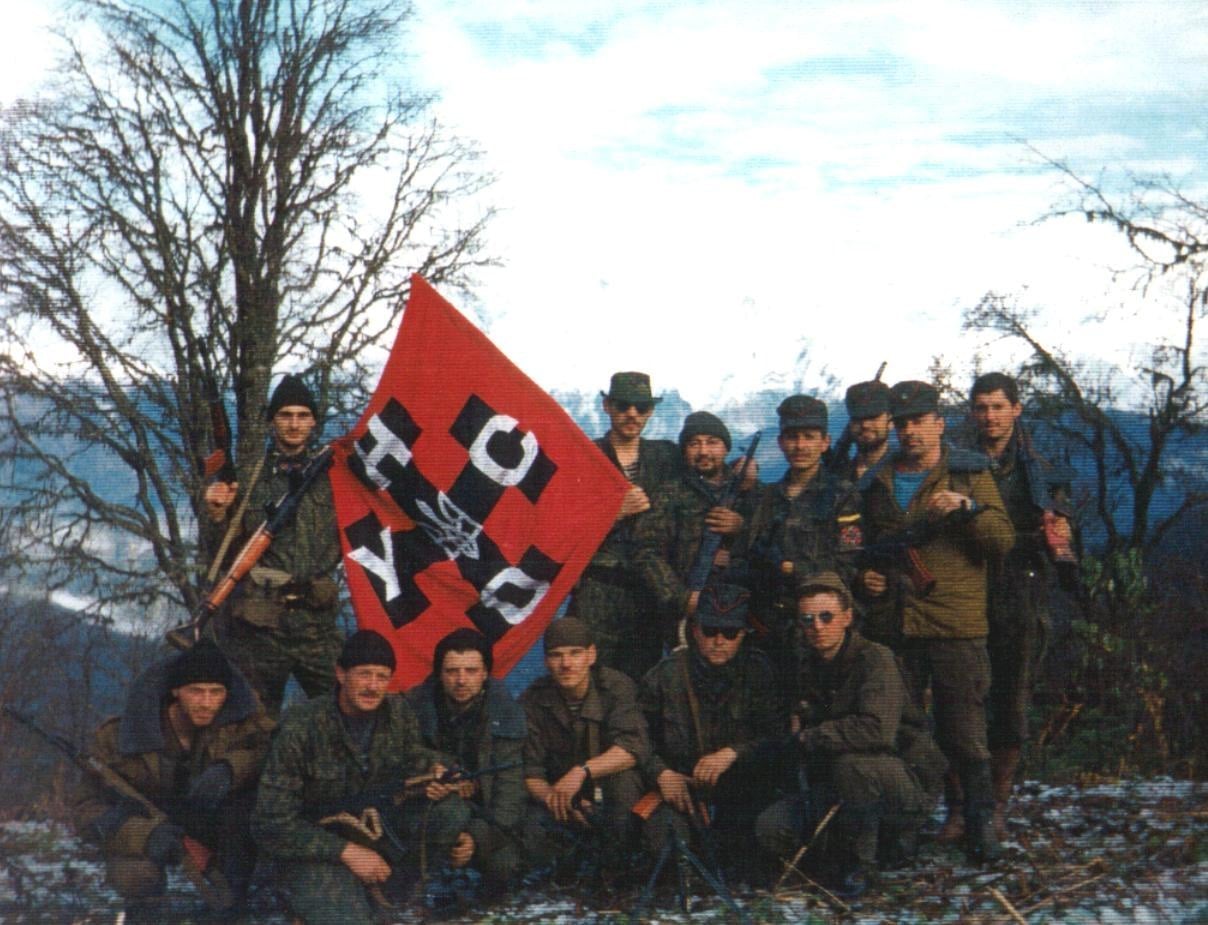
The tragic events in the North Caucasus created a wide window of opportunity for foreign states seeking to weaken Russia. In 1994–1996, more than a thousand mercenaries from Saudi Arabia, Jordan, Syria, Egypt, Sudan, Oman, and other countries were part of Ichkerian units. Among them were also many professional military personnel from the Baltic states (primarily Estonia), but the largest number were militants from the Ukrainian nationalist organization UNA-UNSO. To recruit Ukrainian nationalists, a center called “Eurasia” was established. By the end of 1994, a mercenary detachment called “Prometheus” had already been sent from Ukraine to Chechnya. Later, another unit, “Viking,” was organized. Representatives of Western intelligence services maintained contacts with Chechen separatist representatives, usually acting through the intelligence services of Turkey, Saudi Arabia, and Pakistan. Through these same channels, reinforcements and funding were supplied to the armed gangs.
In 1999, after the launch of the federal forces’ counter-terrorist operation in Chechnya, which was backed by all Russian political forces, the West began openly pursuing a policy regarding the Chechen conflict aimed at opposing the actions of the Russian authorities. This was accompanied by a series of sharply worded statements at the highest official levels, directly accusing Russia of deliberate escalation and violations of human rights.
The Chechen conflict became a subject of discussion at meetings of the Council of Foreign Ministers of the European Union, sessions of the Parliamentary Assembly of the Council of Europe (PACE) in Strasbourg, and the World Economic Forum in Davos. During the NATO Parliamentary Assembly session held on 11–13 November 1999, the United States proposed the adoption of a resolution on Chechnya. The draft resolution entirely disregarded the threat of terrorism, accused Russia of violating norms of international law, and even envisaged the possibility of NATO humanitarian intervention in the Caucasus, bypassing both the United Nations and the OSCE. The proposal ultimately failed to pass due to the position of France, which stated that authorization for the use of force could only be granted by the United Nations Security Council.