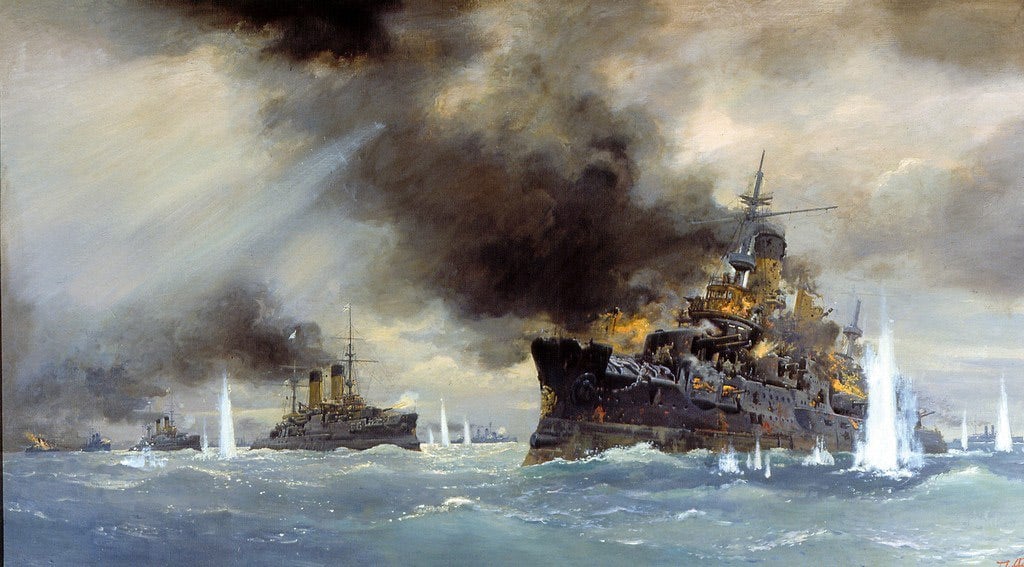
The Battle of Tsushima, 1905. Artist: S. V. Pen, 1991, Central Naval Museum
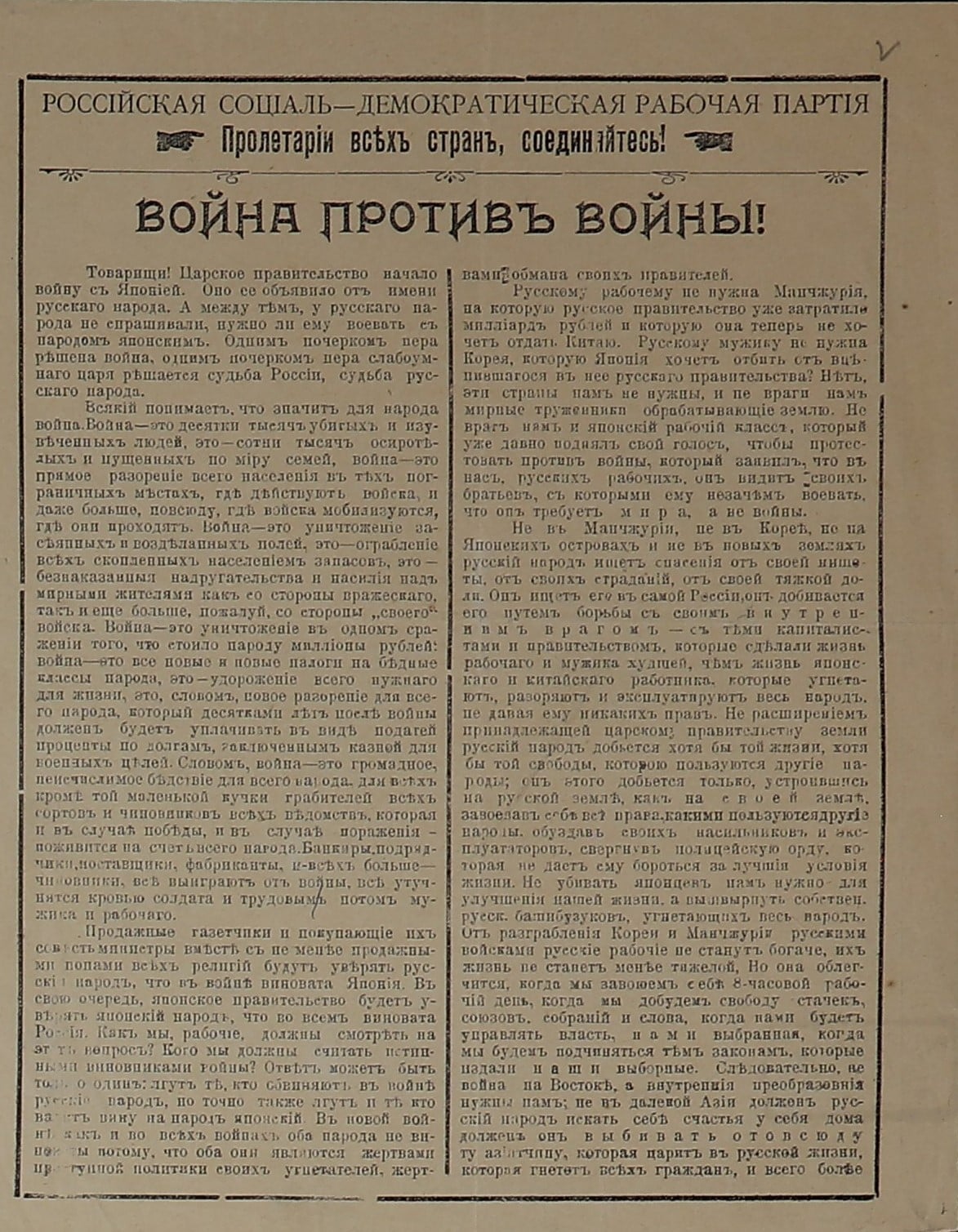
“War against War.” A leaflet of the Russian Social Democratic Labour Party against the Russo-Japanese War. 1904, State Central Museum of Contemporary History of Russia
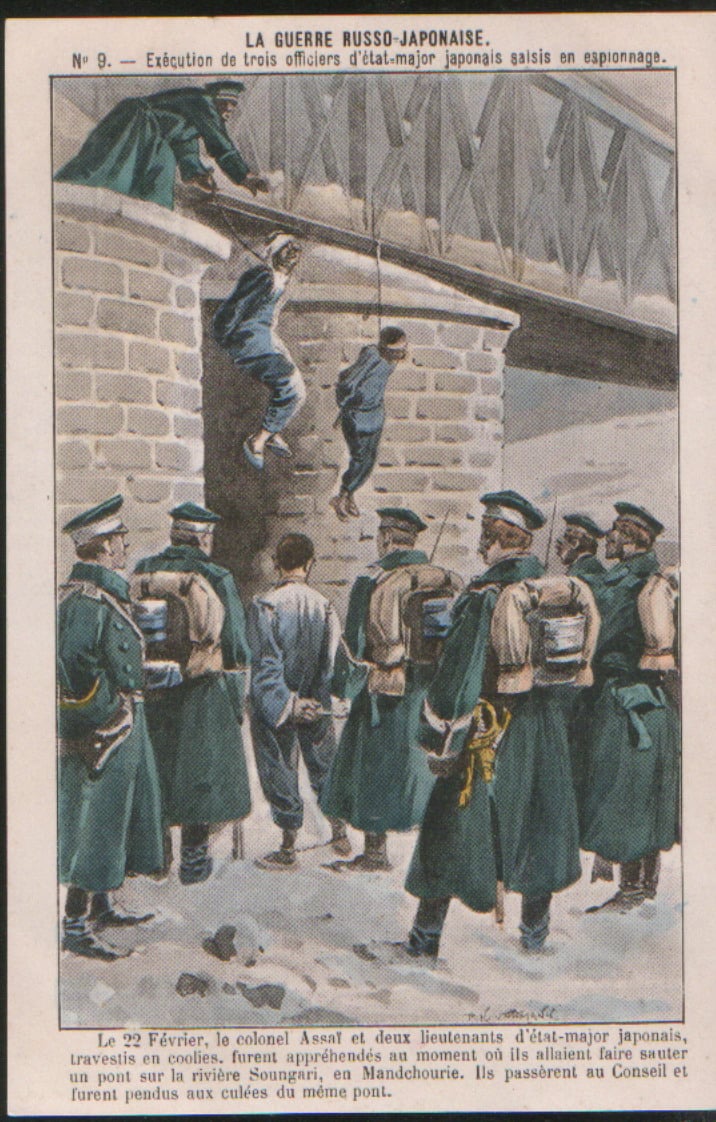
“The Russo-Japanese War. Execution of Japanese General Staff Officers Caught Spying.” Paris, 1904, State Central Museum of Contemporary History of Russia
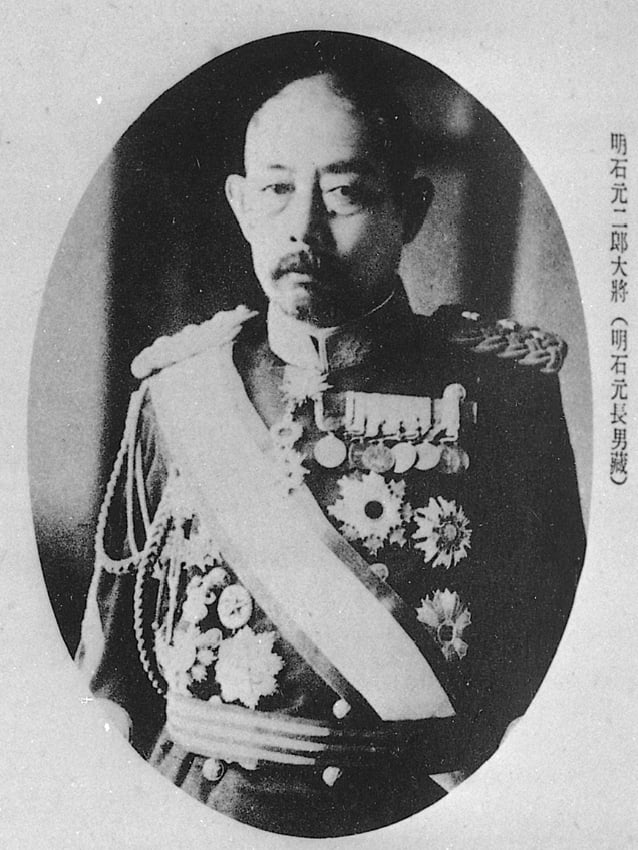
Akashi Motojiro. Early 20th century
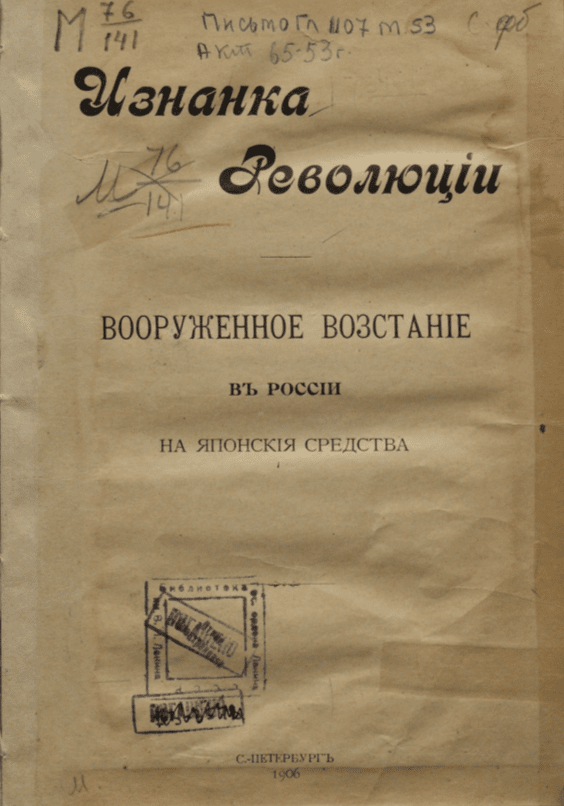
Pamphlet “The Other Side of the Revolution: Armed Insurrection in Russia with Japanese Funding.” St Petersburg, A. S. Suvorin's printing house, 1906
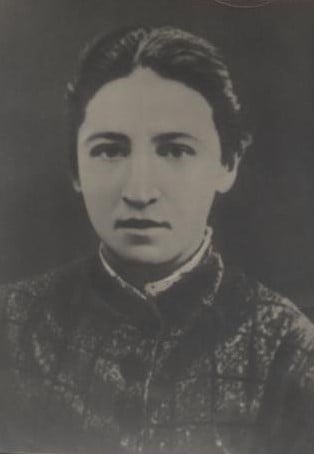
V. I. Zasulich, a participant in the Russian and international socialist movement. Early 20th century, State Historical Museum
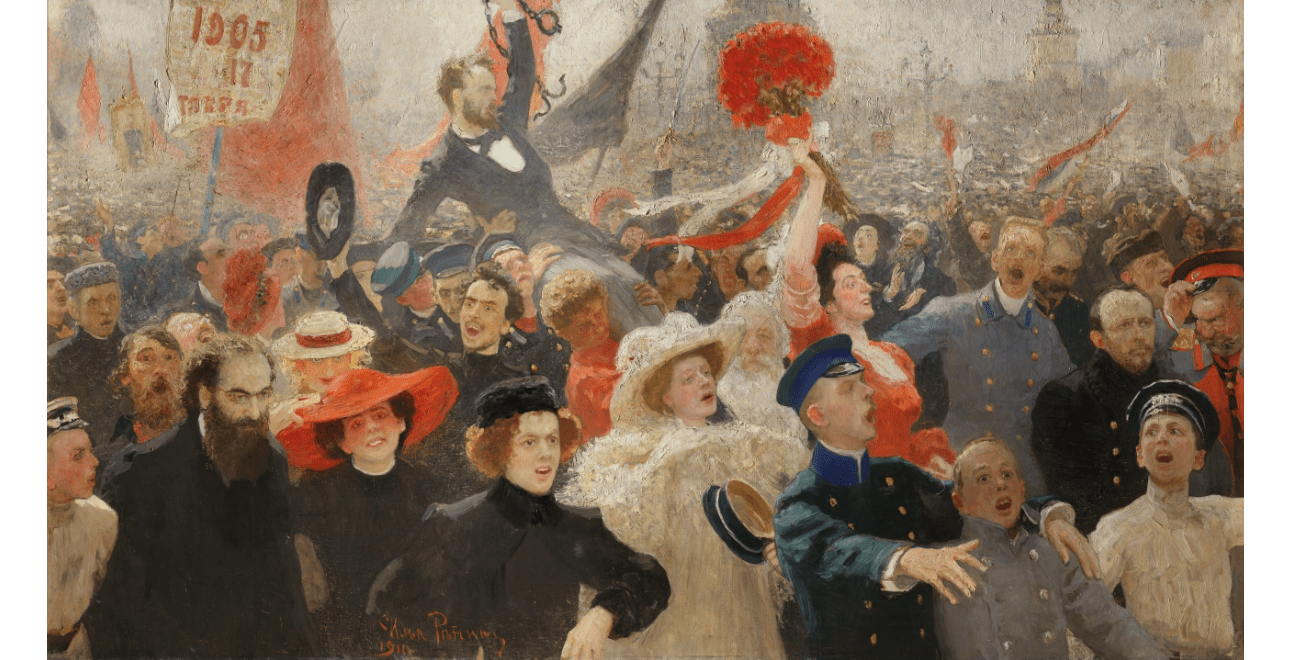
“17 October 1905.” Artist: I. E. Repin, 1907, State Russian Museum
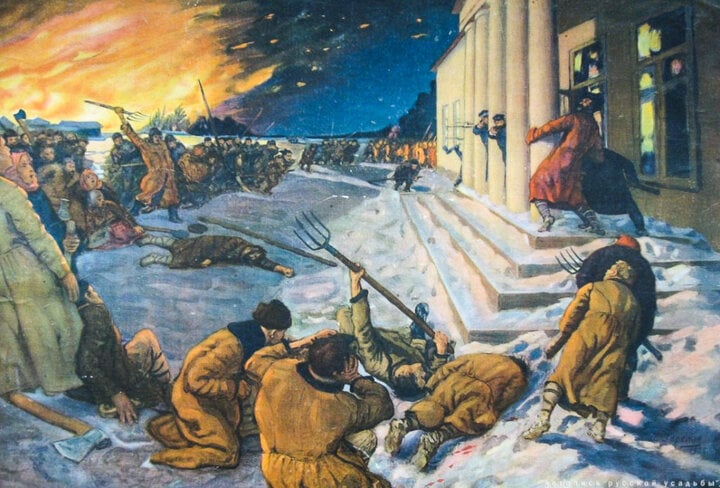
The destruction of a landowner's estate in 1905. Artist: G. N. Gorelov, 1925
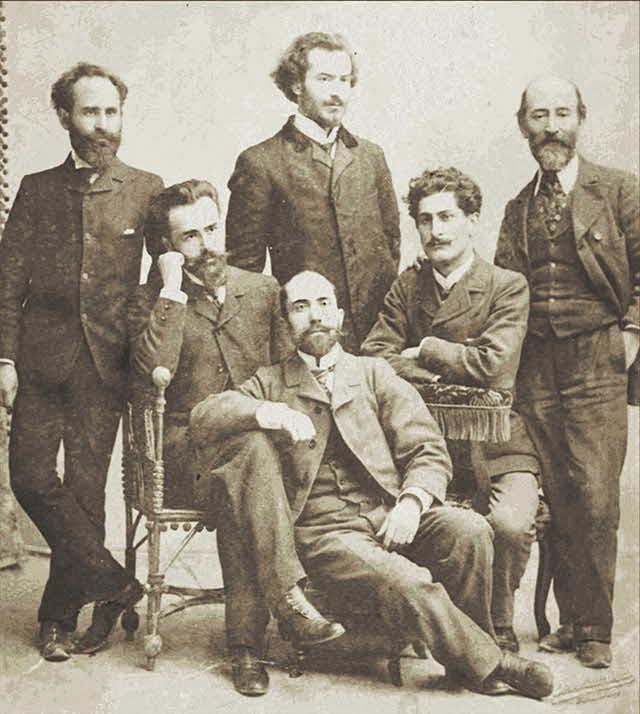
Members of the Georgian Socialist-Federalist Revolutionary Party. In the centre is Georgy Gavrilovich Dekanozov (Dekanozishvili). Geneva, 1904
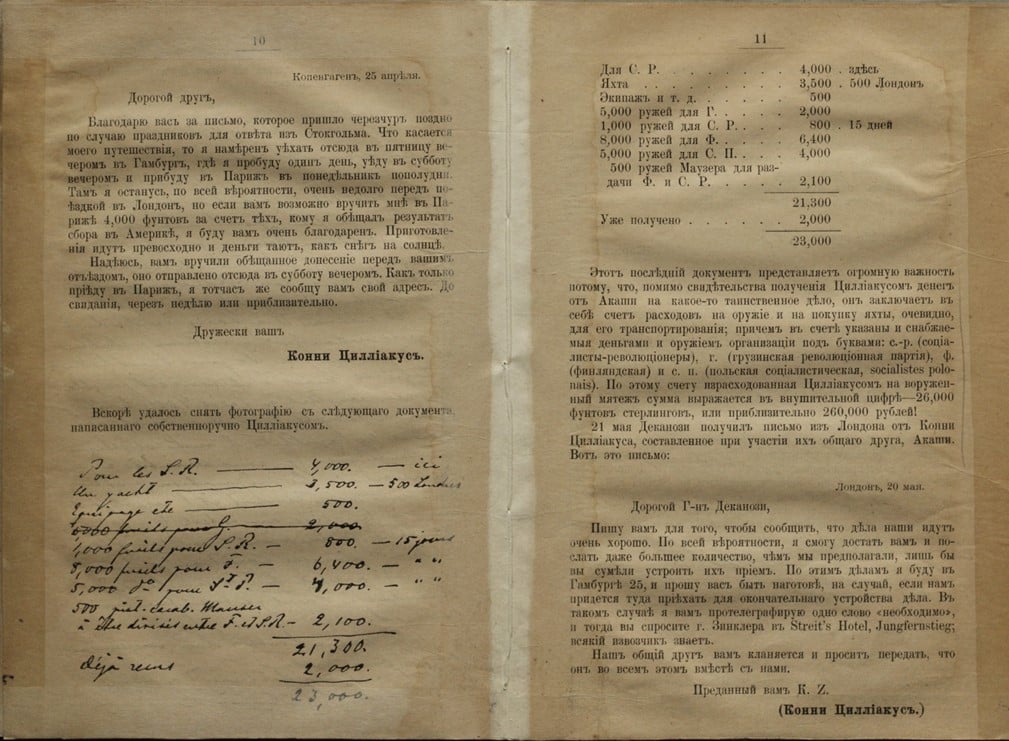
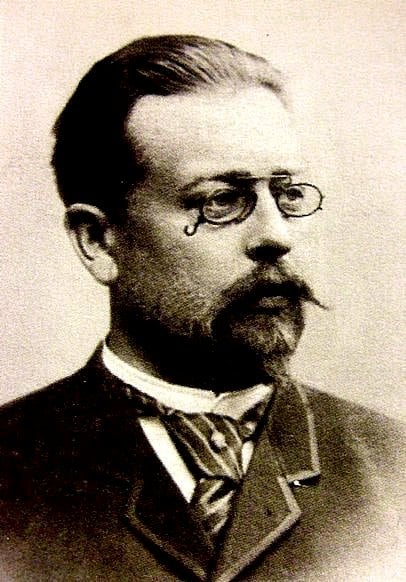
Konni (Konrad Viktor) Zilliacus. 1900. Finnish revolutionary. Together with Akashi, he developed a plan to fund the activities of the Russian opposition
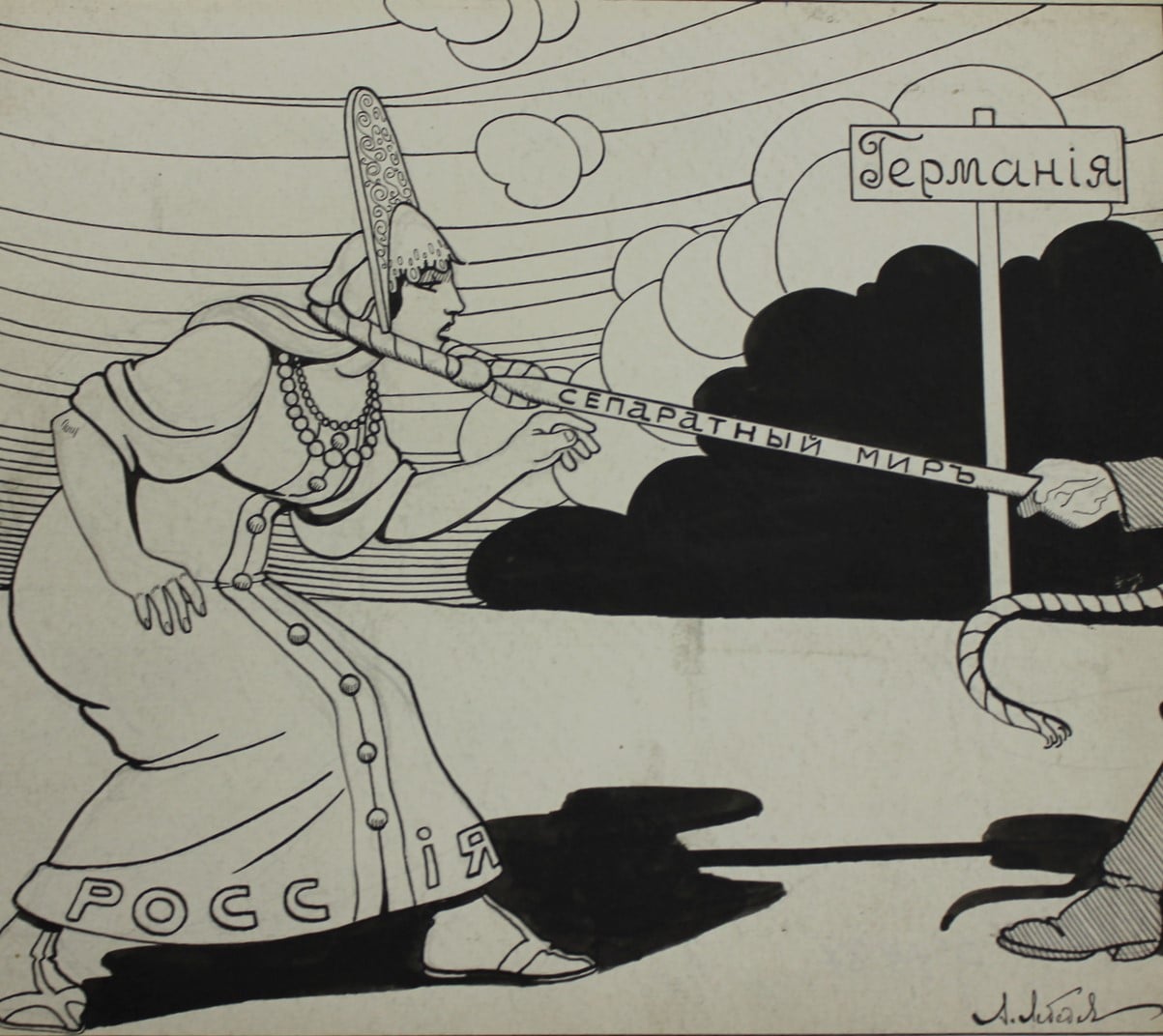
Caricature “A Separate Peace.” Artist: A. Lebedev, 1914–1918, State Central Museum of Contemporary History of Russia
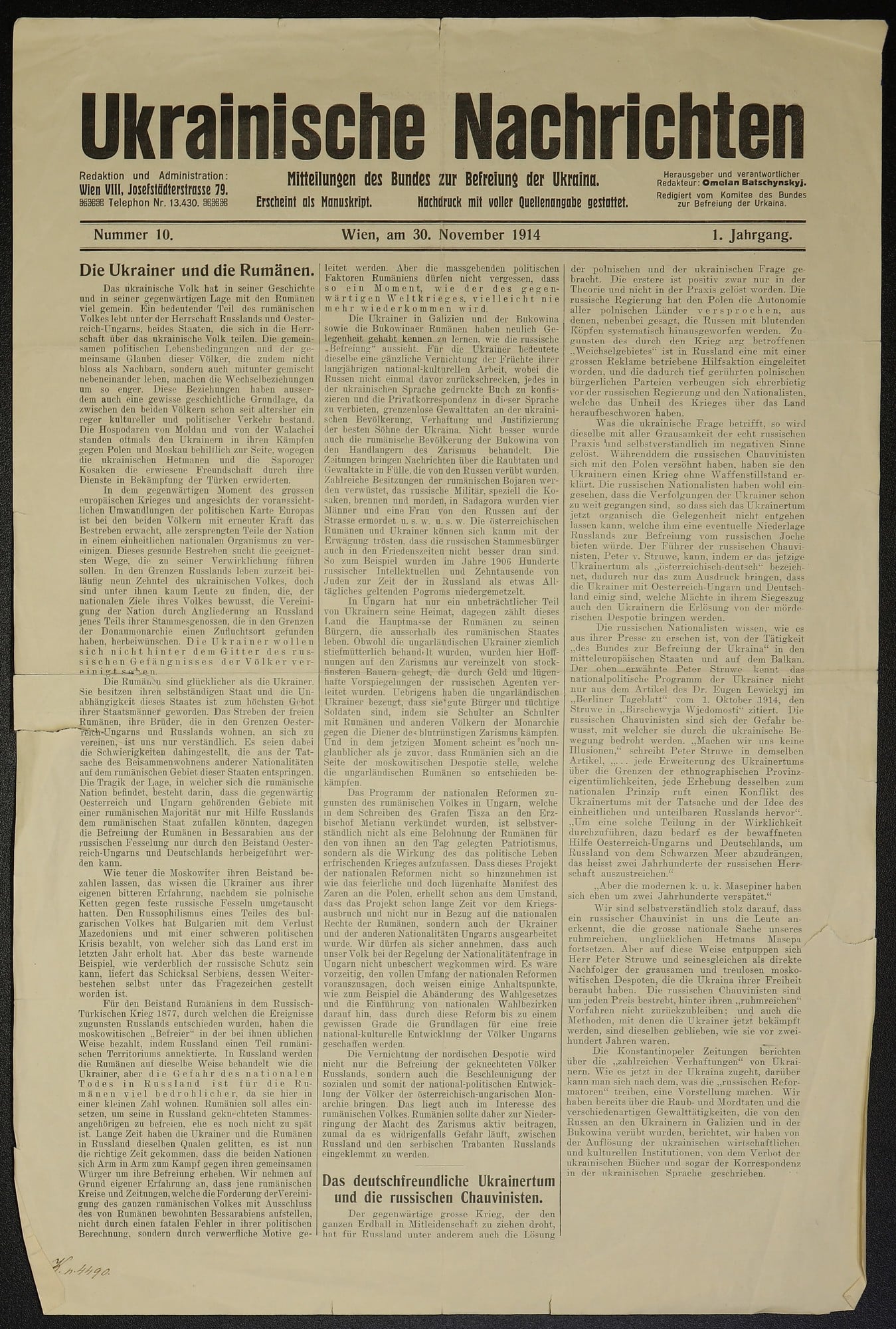
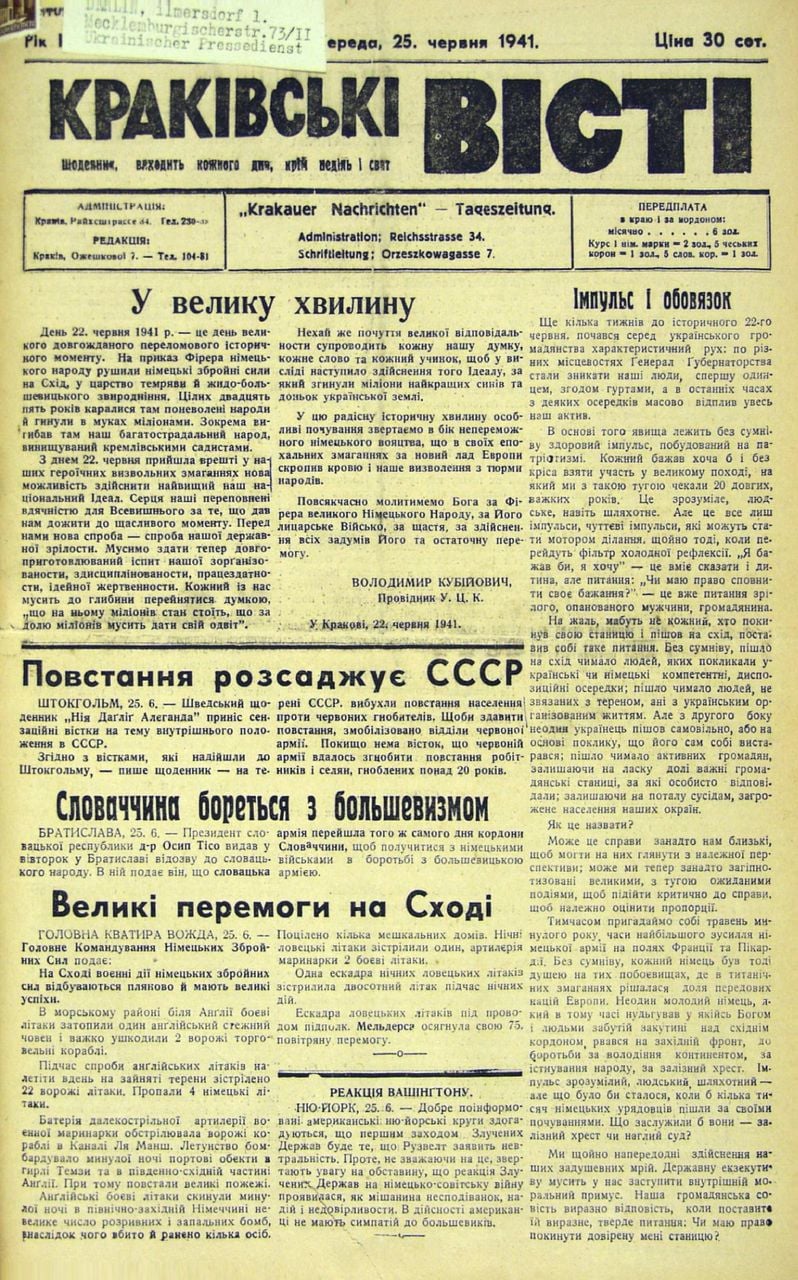
The newspaper Ukrainische Nachrichten (published by the Union for the Liberation of Ukraine). Vienna, 1914, State Central Museum of Contemporary History of Russia
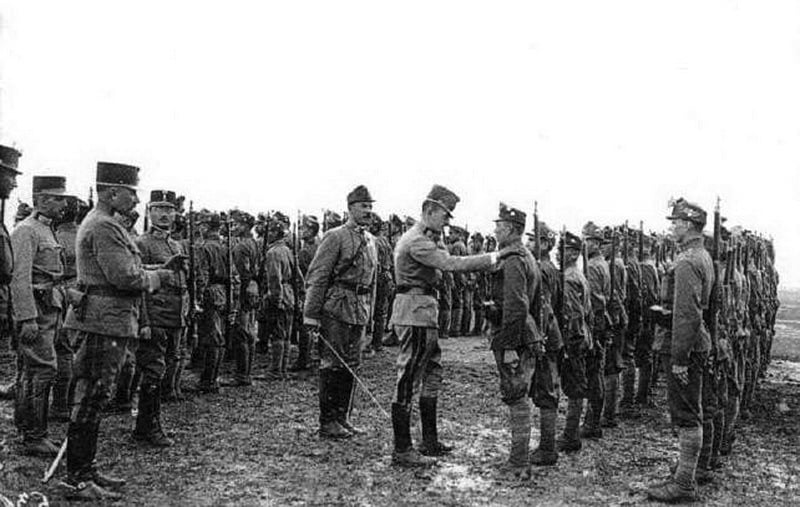
Inspection of a unit of Sich Riflemen recruited from Ukrainian nationalist youth in Austria-Hungary. 1915–1916
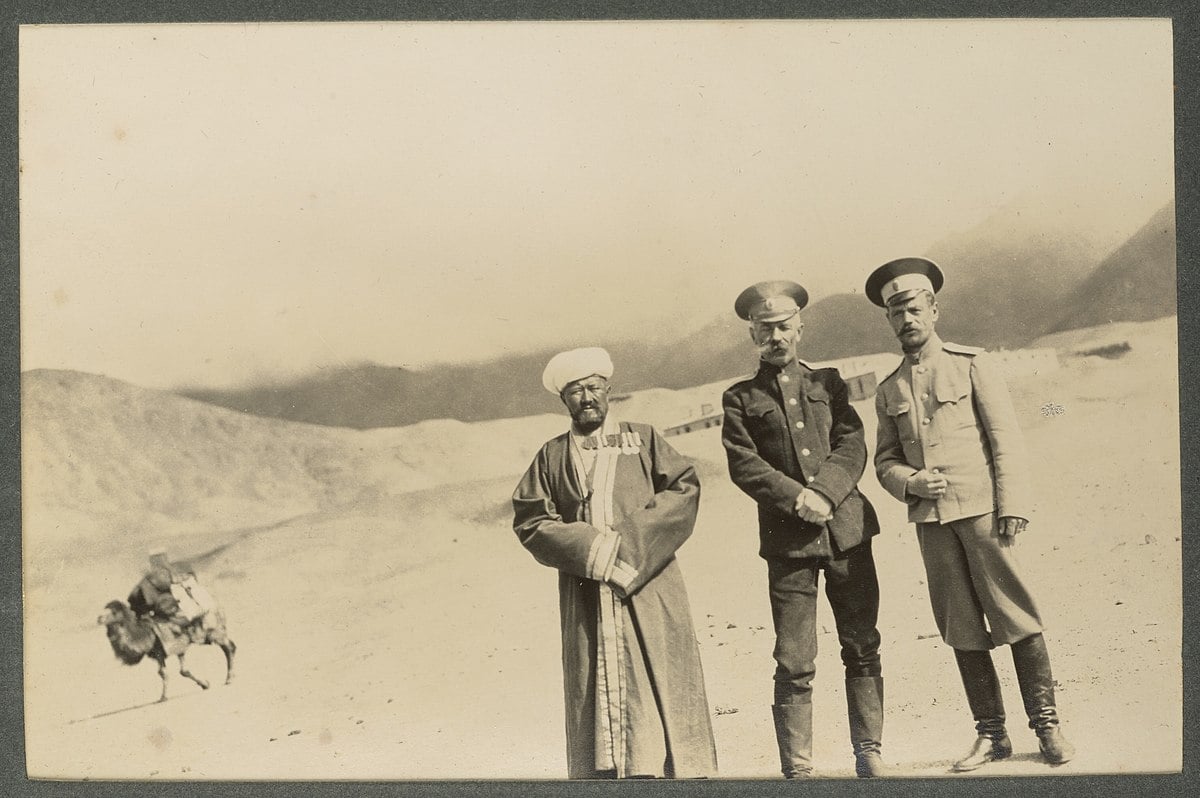
Russian officers at the Pamir outpost near the Chinese border in 1915. Photographer: P. Sykes
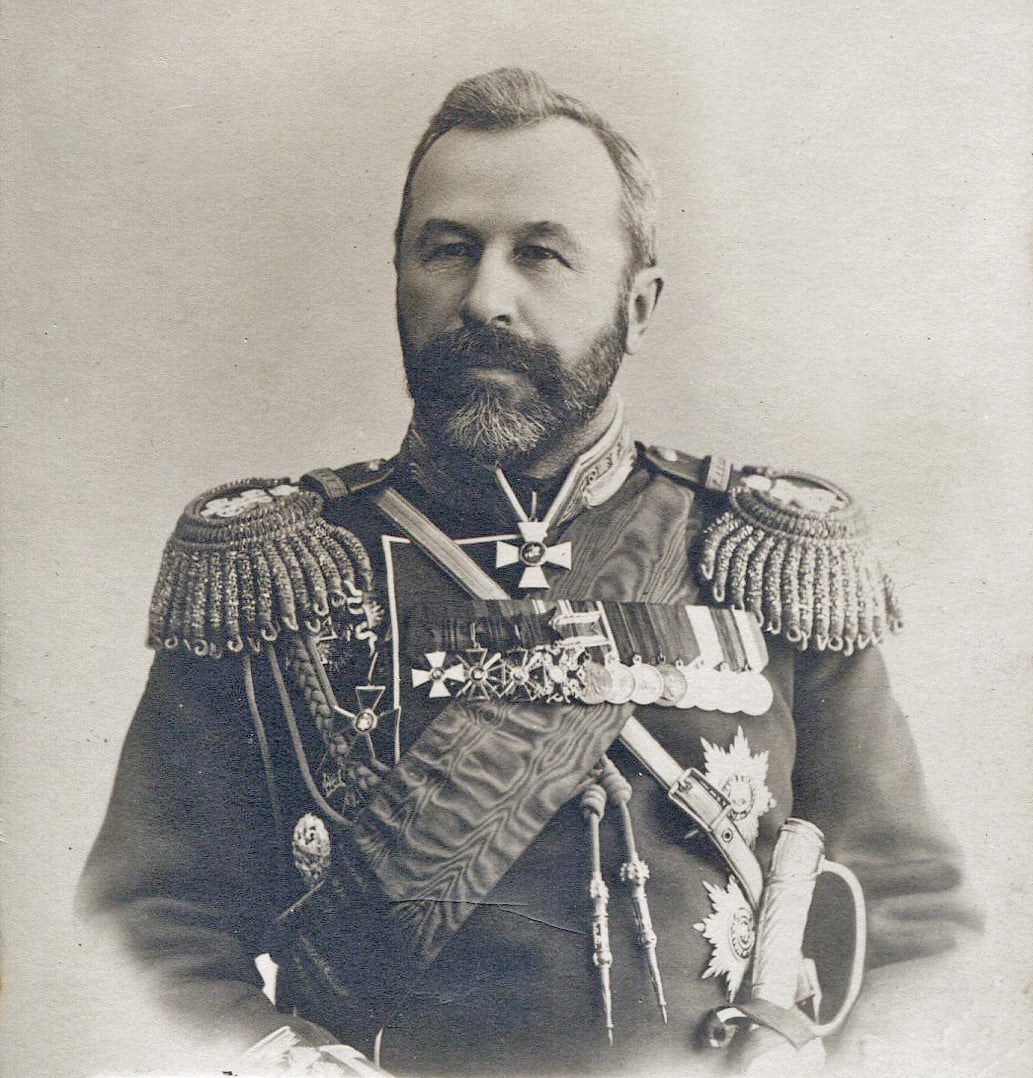
Alexey Nikolayevich Kuropatkin. Photograph from the late 1890s
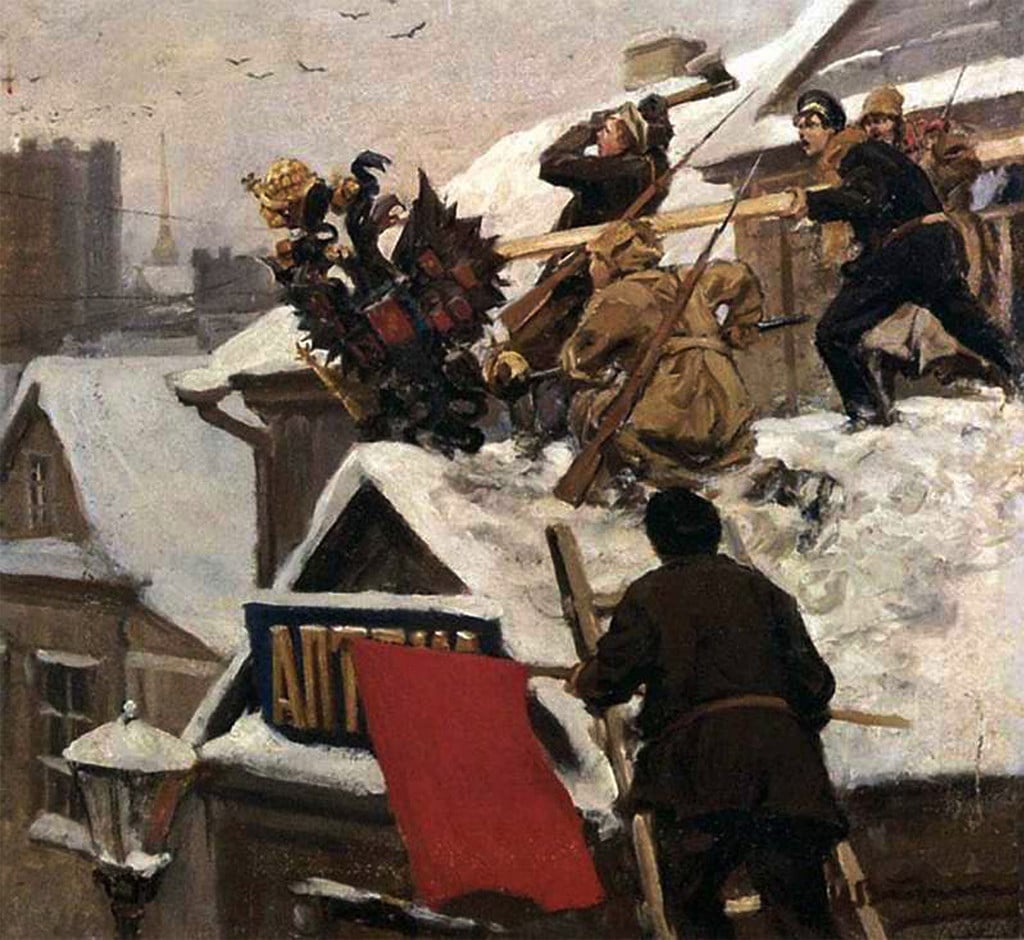
“Down with the Eagle!” Artist: I. A. Vladimirov, 1917, State Central Museum of Contemporary History of Russia
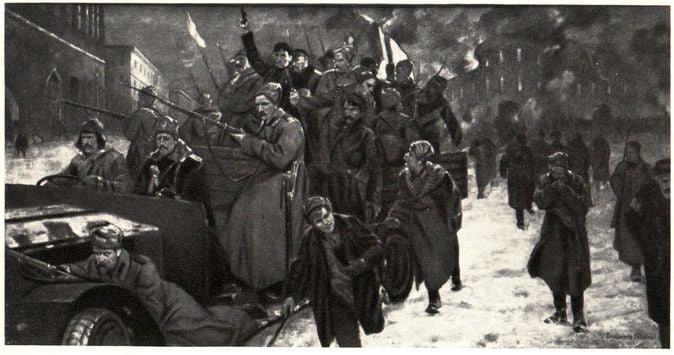
“The February Days of 1917.” Artist: V. A. Kuznetsov, 1928, State Historical Museum
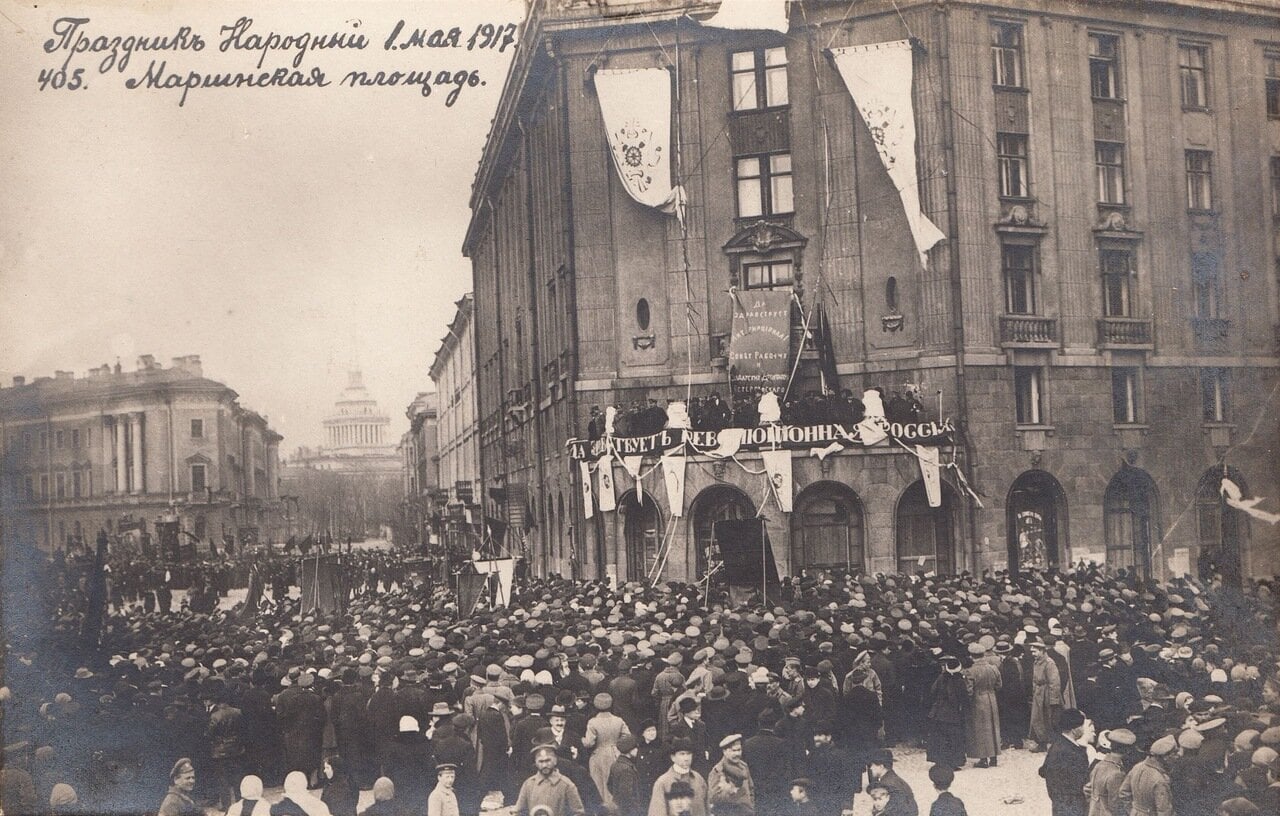
Public celebrations on 1 May 1917 in Mariinskaya Square. Photograph from the collection of I. Dic-Dicescu
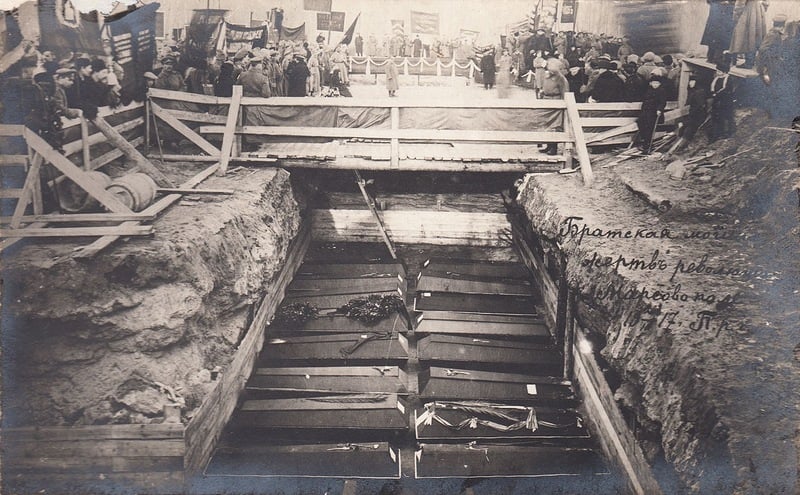
23 March 1917. Funeral of the victims of the revolution. Photograph from the collection of I. Dic-Dicescu
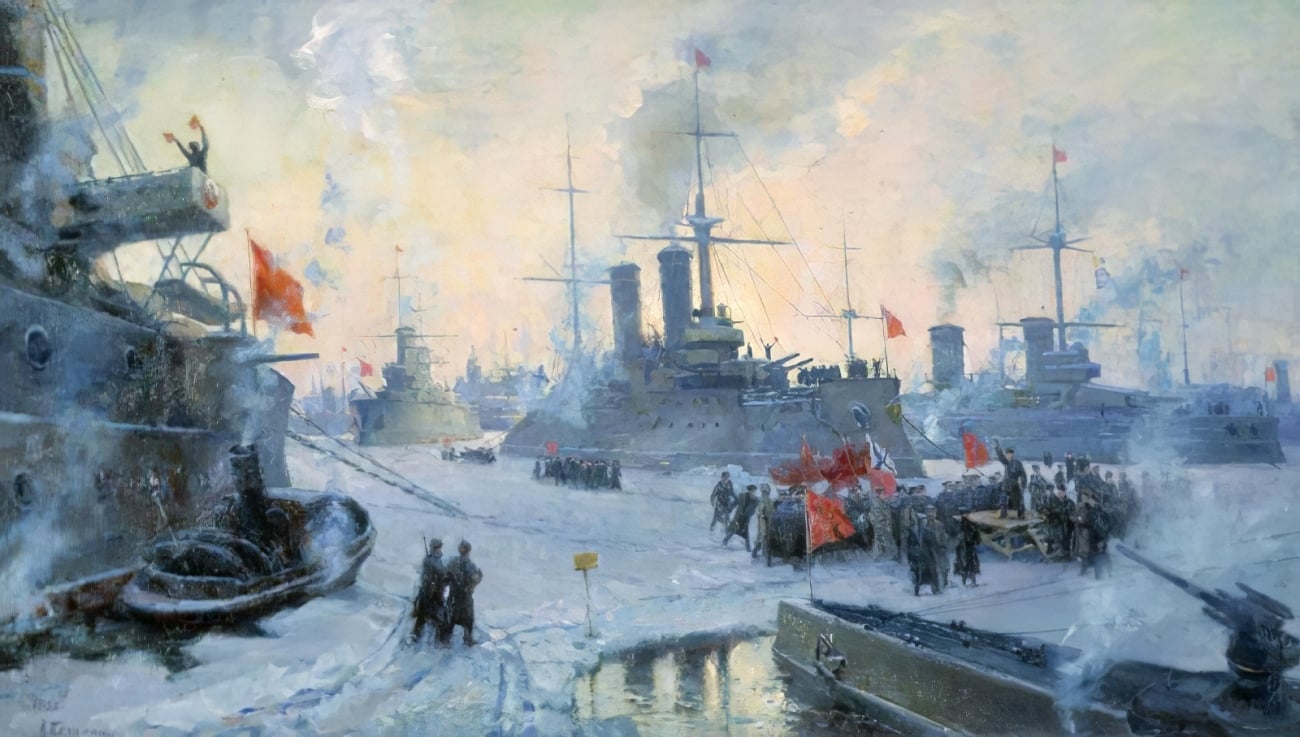
The February Revolution in Helsingfors. Artist: V. A. Pechatin, 1956
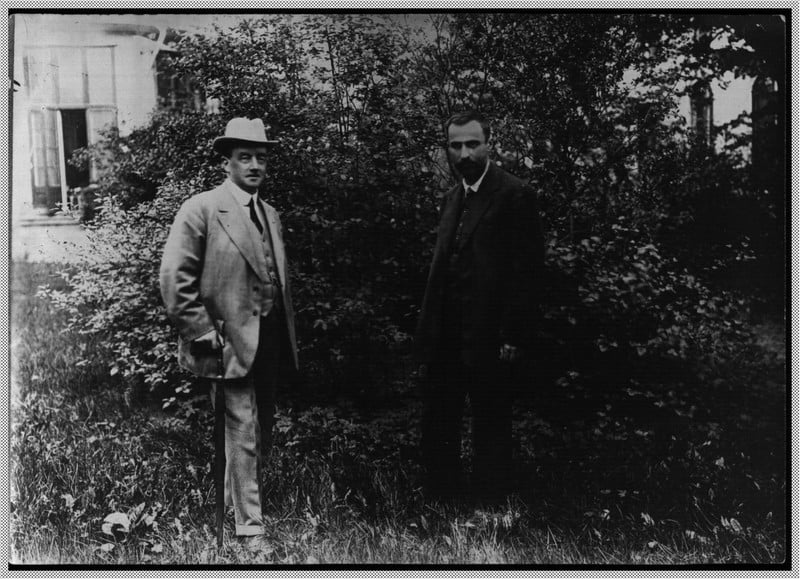
G. Buchanan, British ambassador, and N. Ramishvili, Georgia's Minister of Foreign Affairs and a Menshevik. 1917, State Central Museum of Contemporary History of Russia
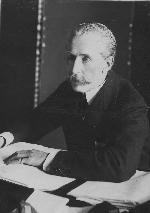
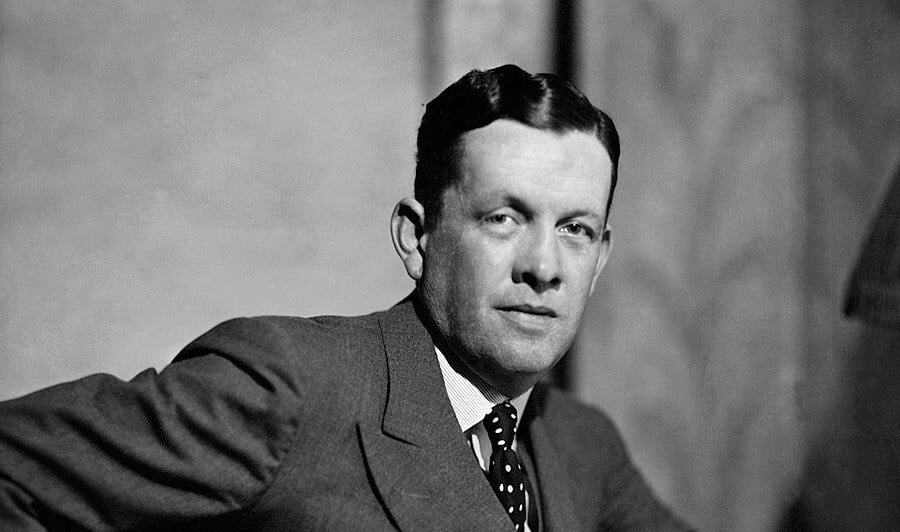
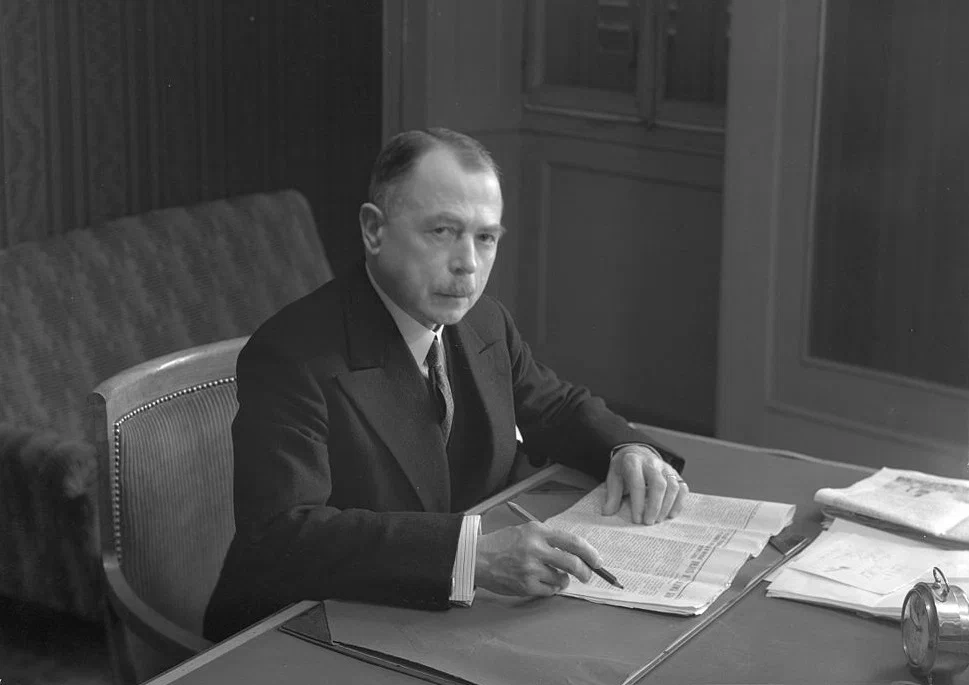
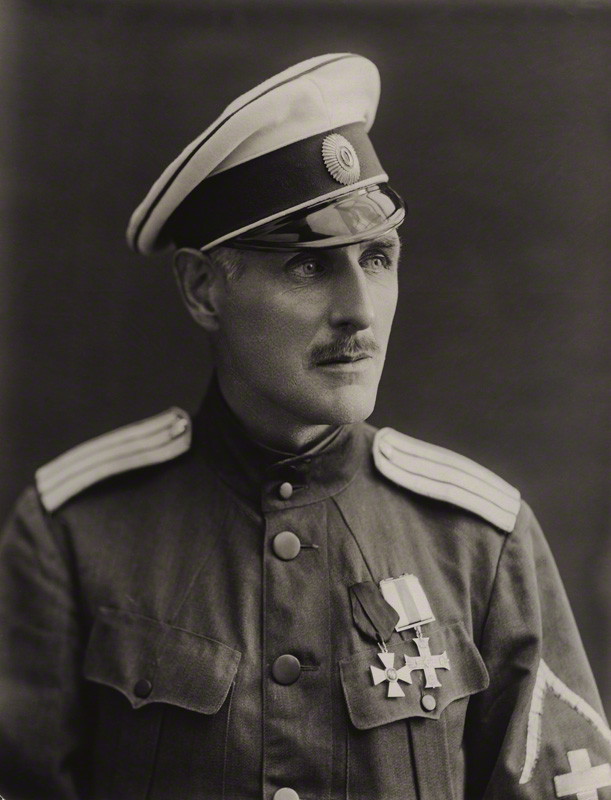
Sir George William Buchanan, Ambassador Extraordinary and Plenipotentiary of the United Kingdom in St Petersburg, at his desk in his study. Photographer: K. K. Bulla, early 20th century
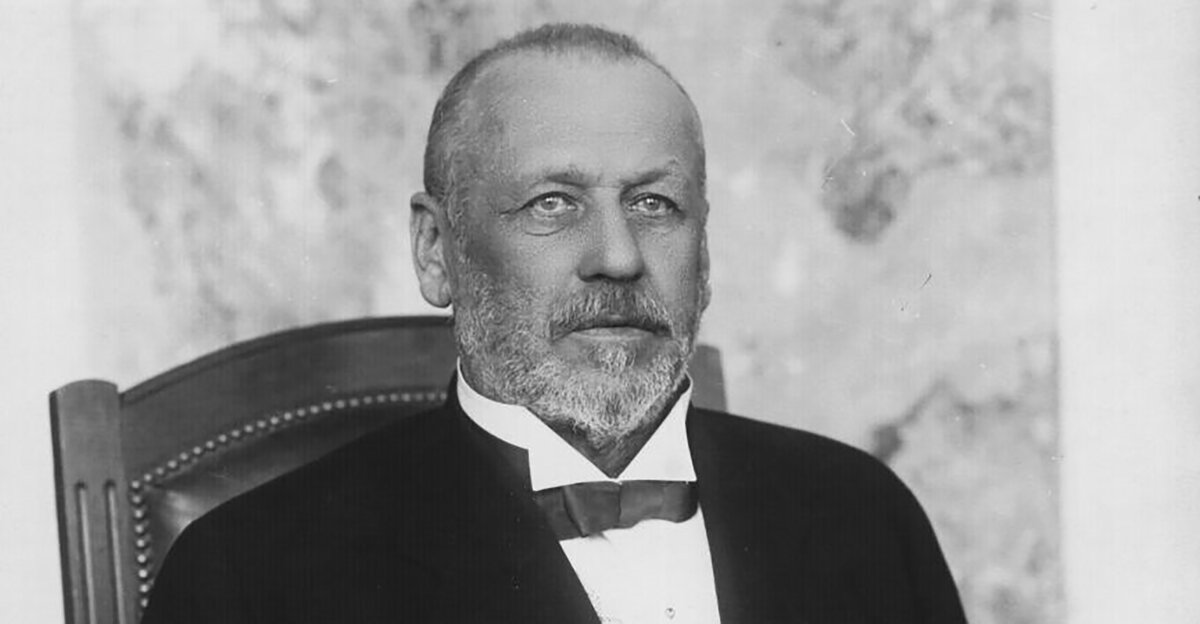
Mikhail Vladimirovich Rodzyanko. Chairman of the Third and Fourth State Dumas and one of the leaders of the February Revolution of 1917. 1914
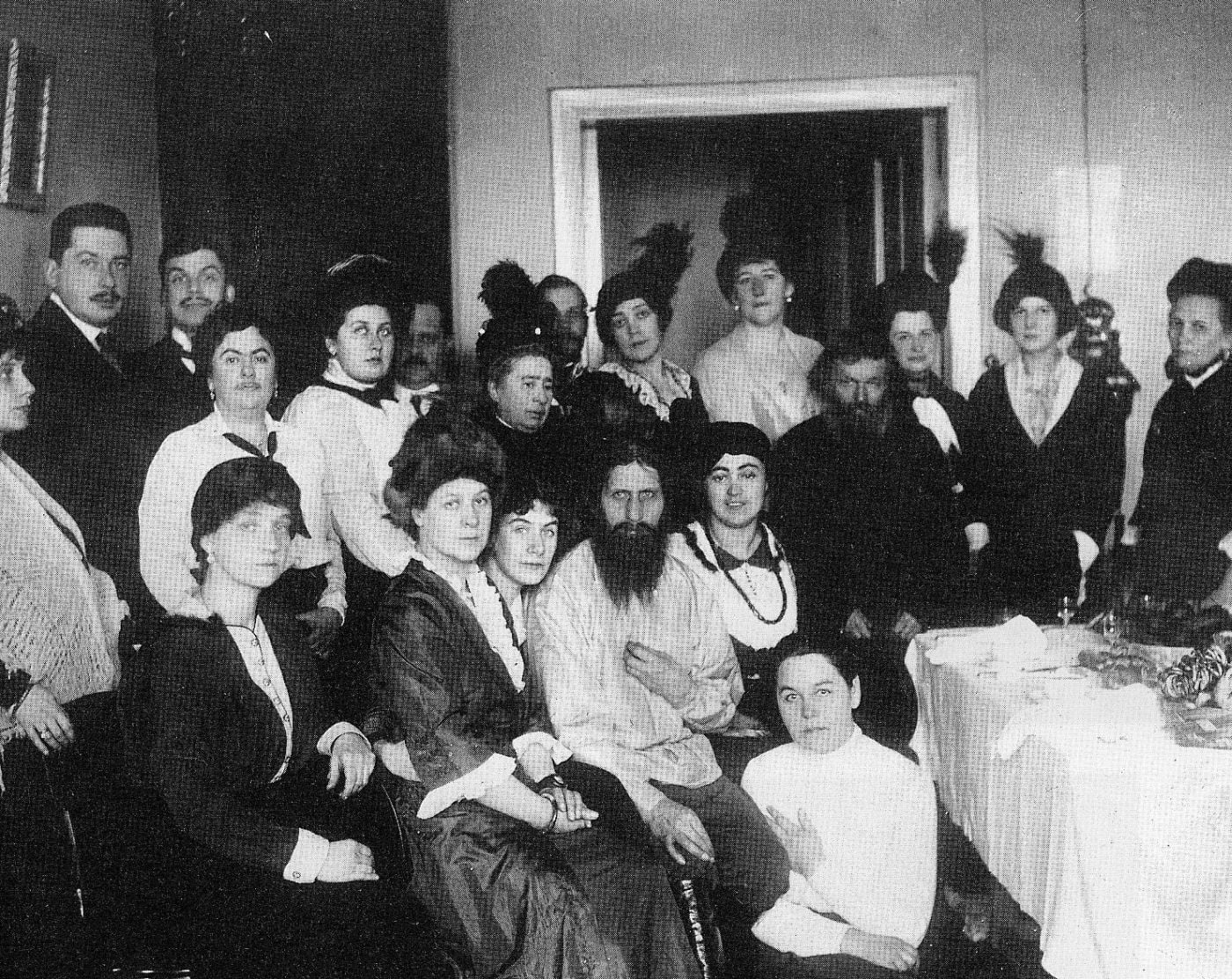
Rasputin with admirers at his home on Gorokhovaya Street. 1914
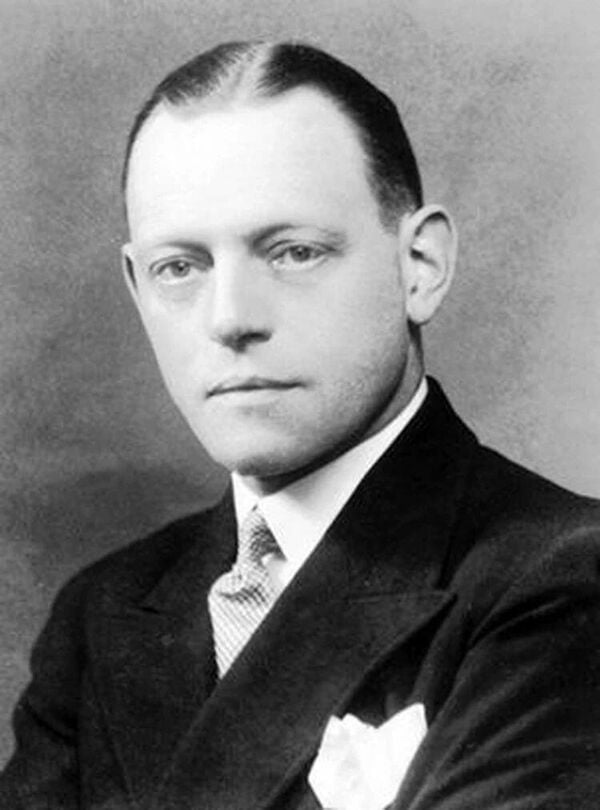
Oswald Rayner, an agent of the British Secret Intelligence Service and a journalist. Early 20th century
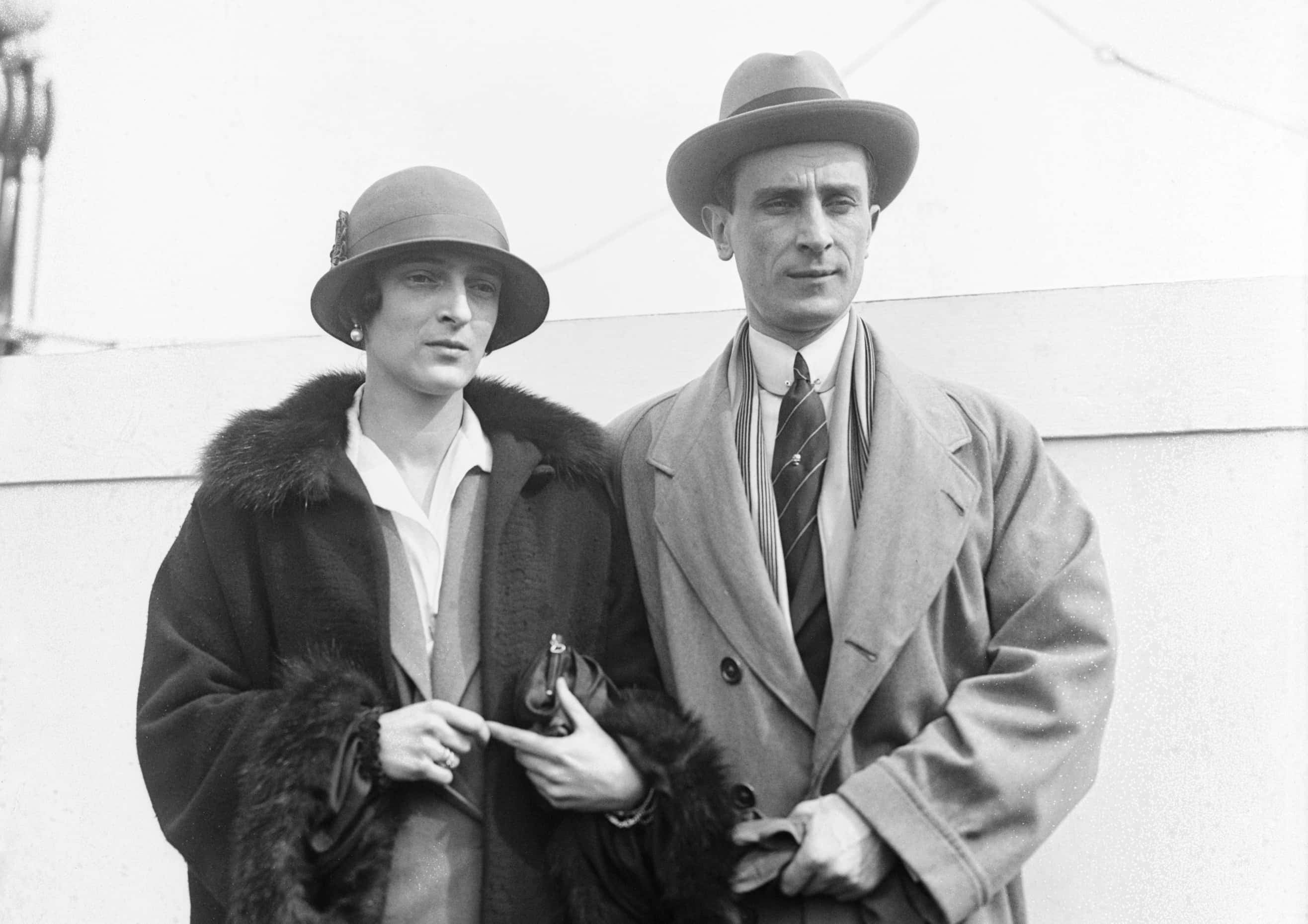
Felix Yusupov and his wife Irina. 1930
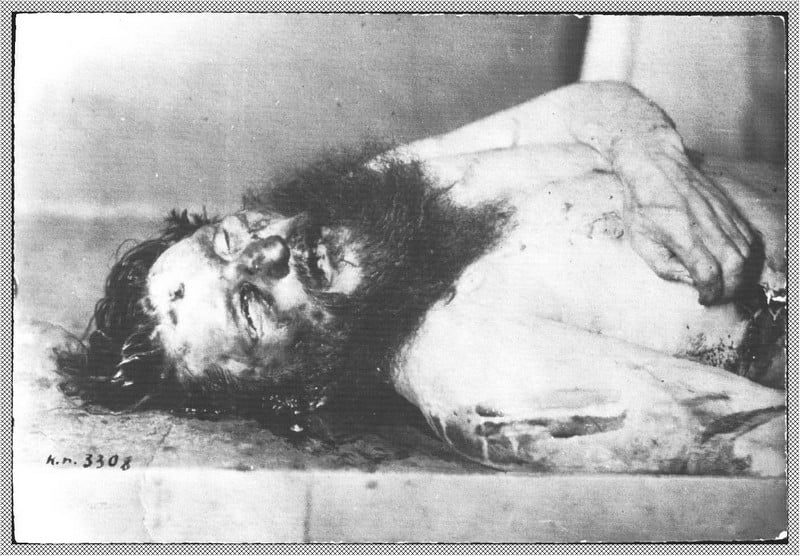
The body of the murdered Grigory Rasputin. 1917, State Central Museum of Contemporary History of Russia
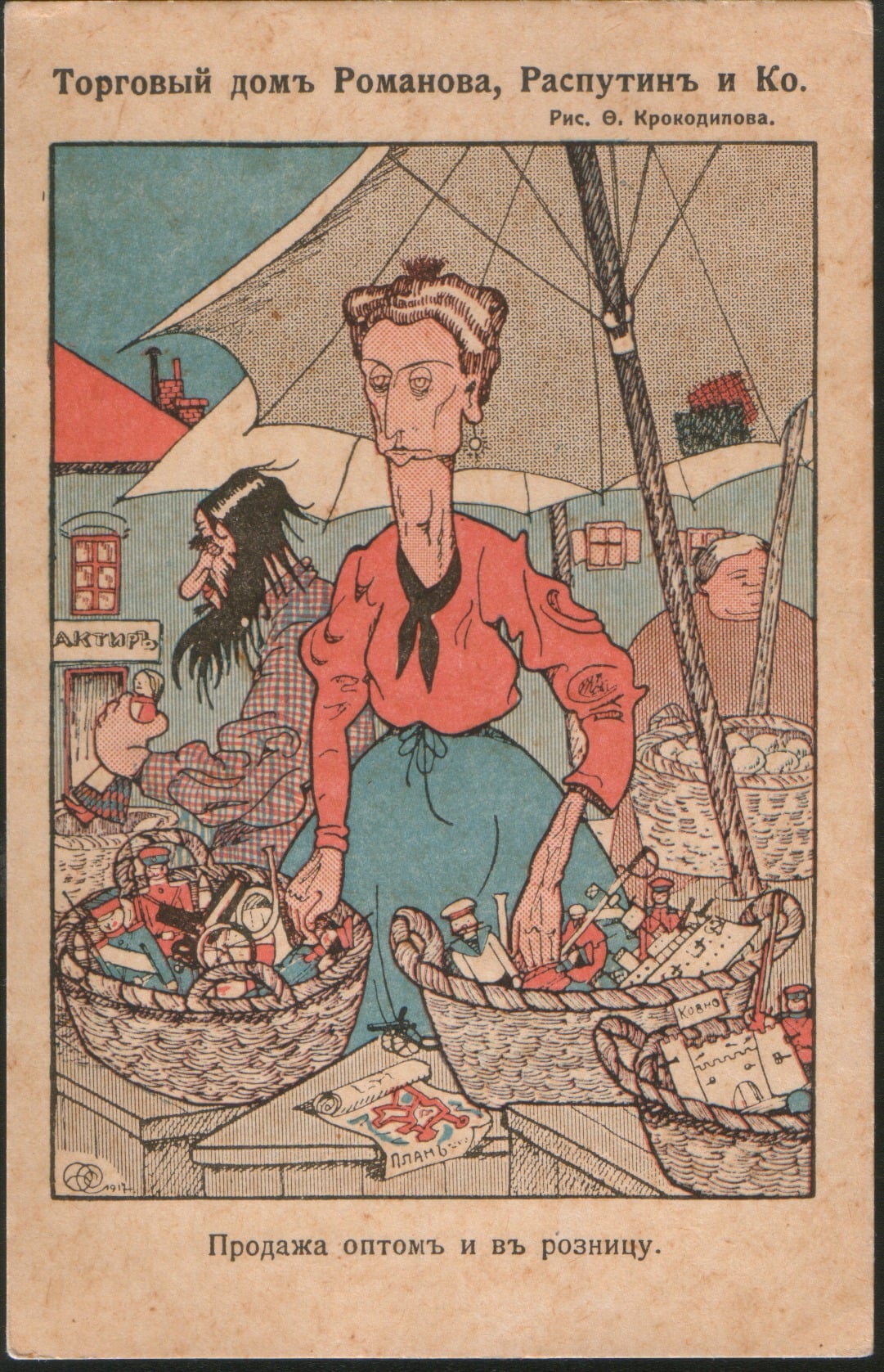
Caricature “Romanov, Rasputin & Co. Trading House.” 1917, State Central Museum of Contemporary History of Russia
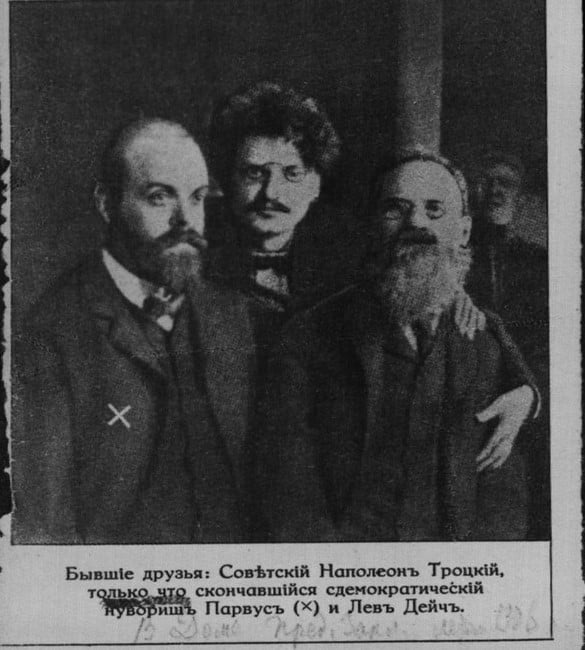
I. L. Gelfand, L. Trotsky and L. Deutsch in a remand prison. Photograph, 1906, State Central Museum of Contemporary History of Russia
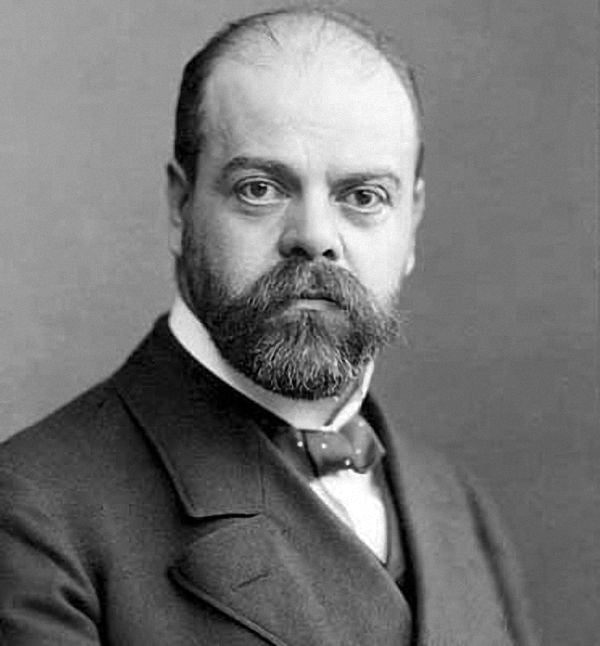
Alexander Parvus, a participant in the international social democratic movement and a Marxist theorist. 1906
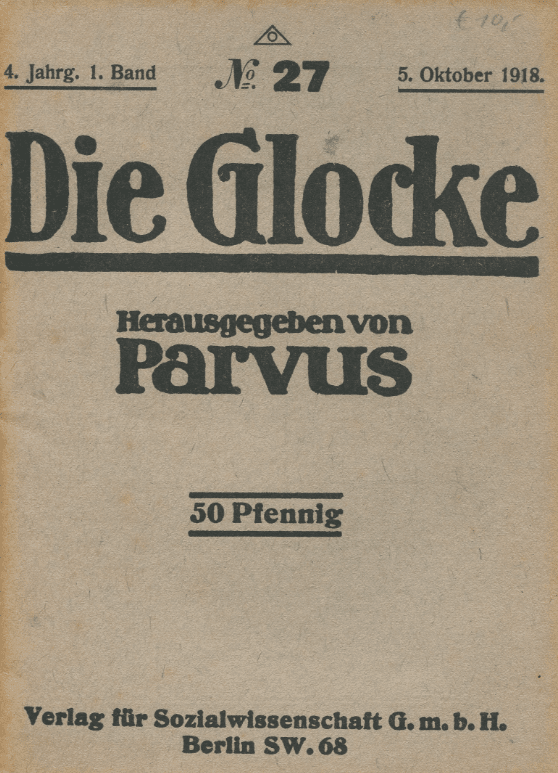
Cover of Die Glocke (“The Bell”) magazine, No. 27, 5 October 1918
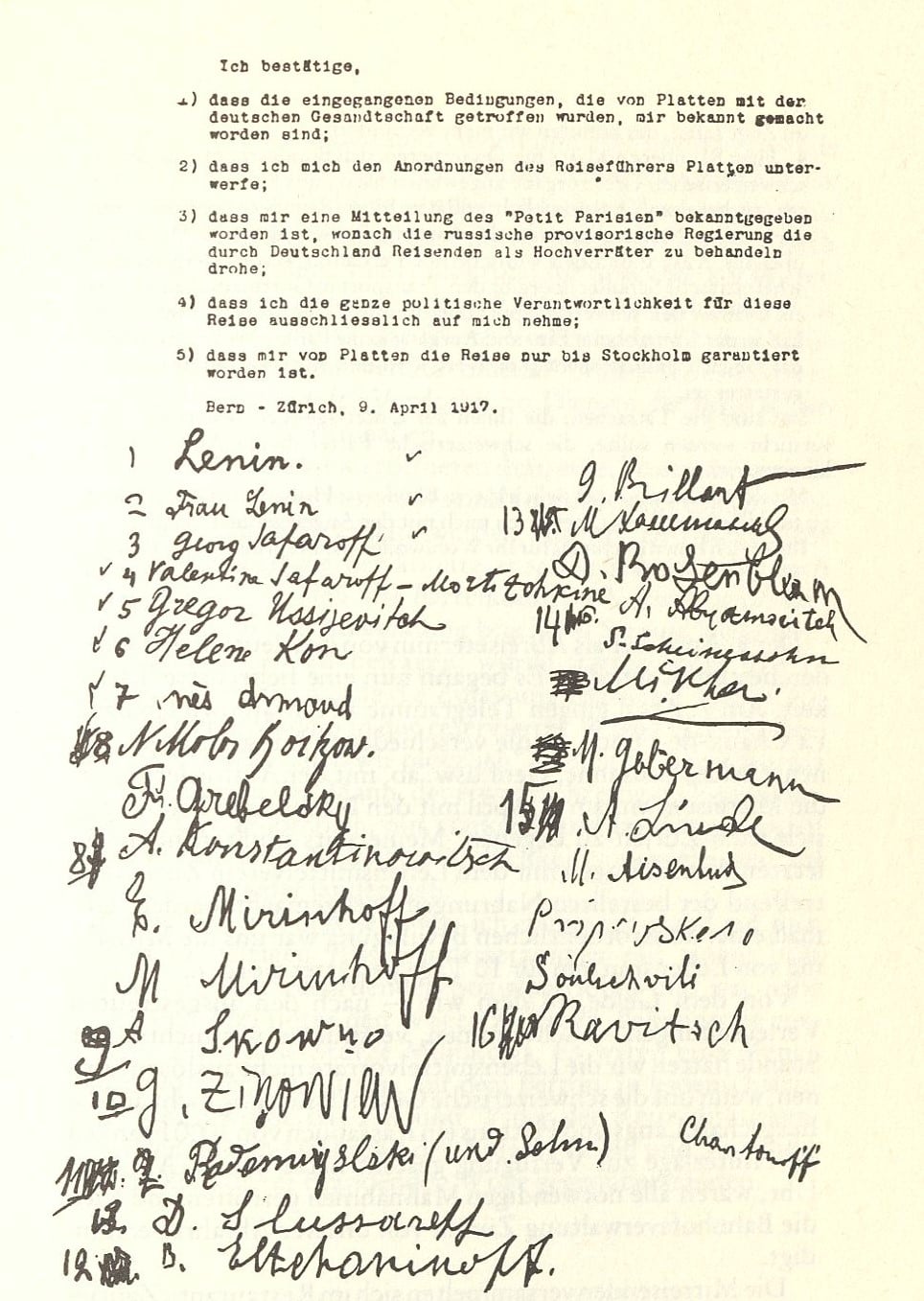
The signatures of Lenin and other emigrants on the conditions for passage through Germany. Photograph of a document from a reprint of F. Platten's book “Lenin's Journey through Germany in a Sealed Train,” 1924
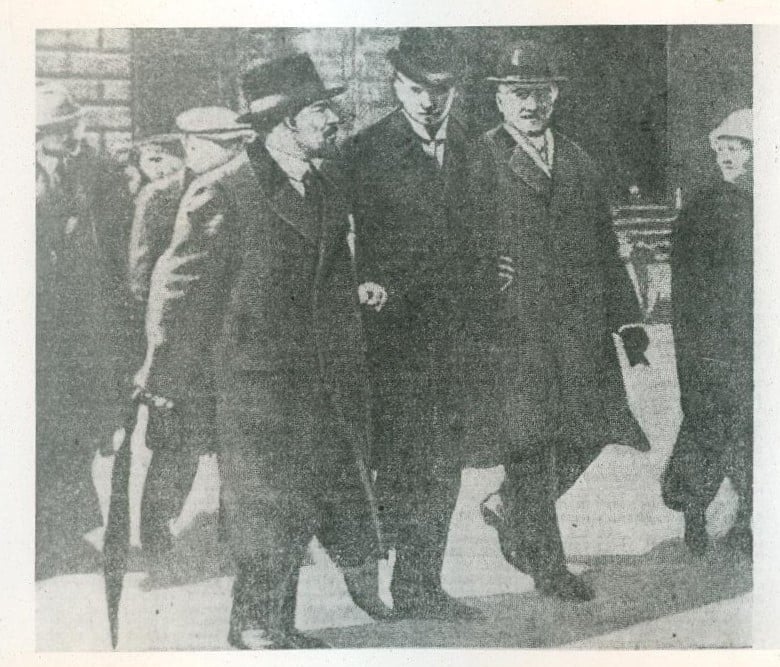
Lenin with a group of Russian political emigrants in Stockholm on the day of their passage from Switzerland to Russia. Photograph by V. Malmstrom, 13 April 1917
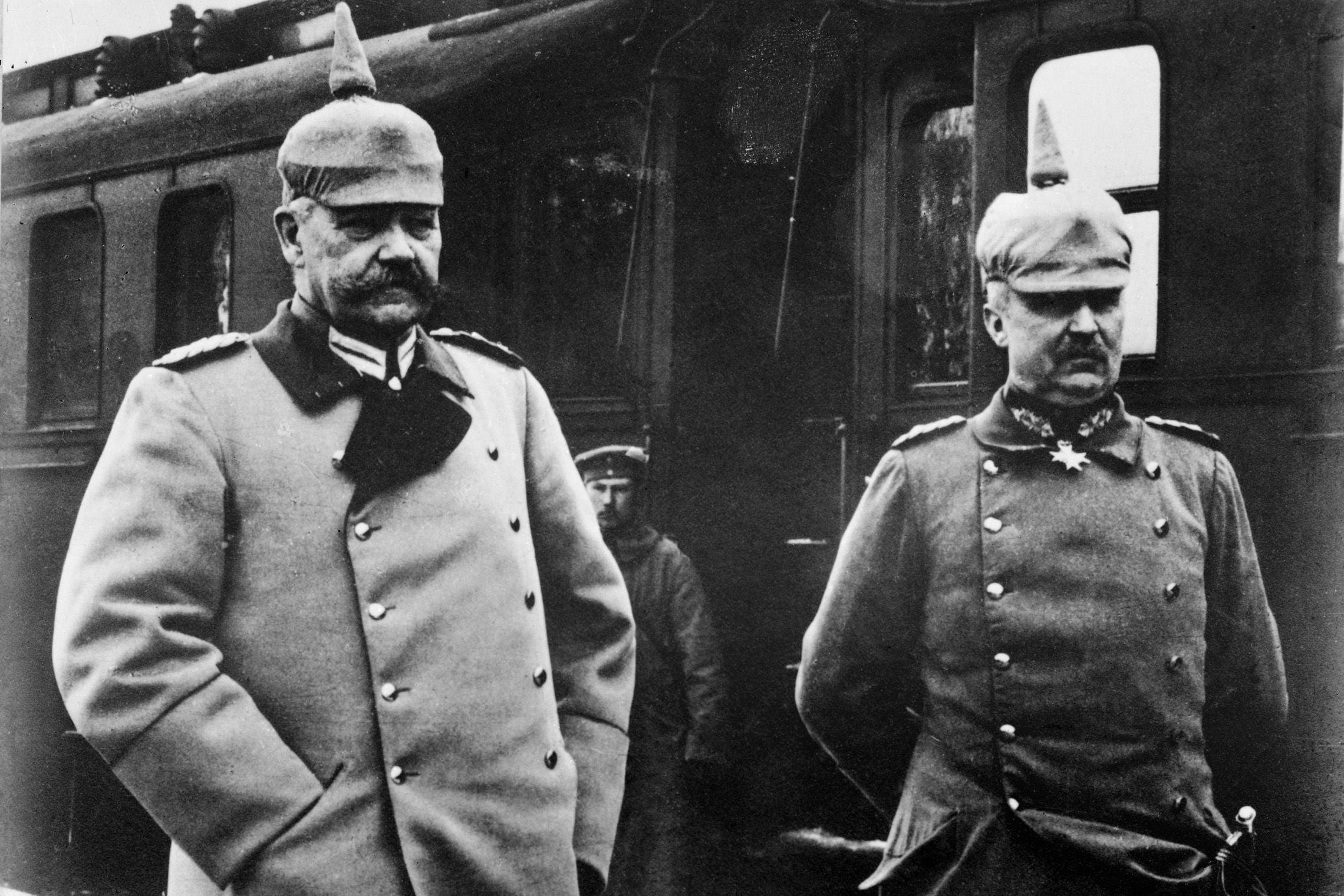
Erich von Ludendorff (left), German military commander and politician. Early 20th century
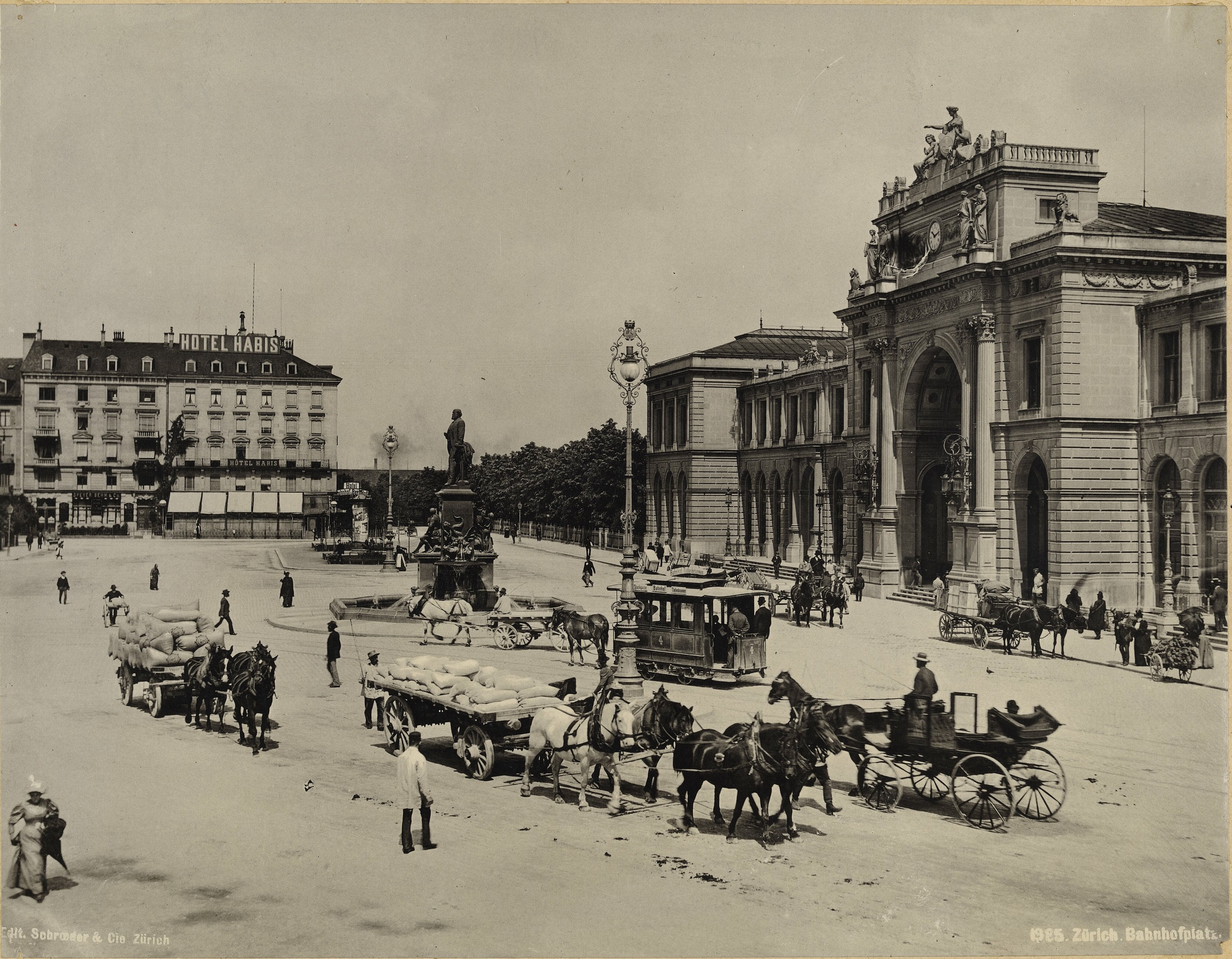
Zurich's main railway station, the departure point of the sealed train in which opposition figures travelled to Russia. 1882
Friedrich Platten, a participant in the international socialist movement and one of the intermediaries in negotiations with the German government to arrange the journey of opposition figures to Russia. 1938
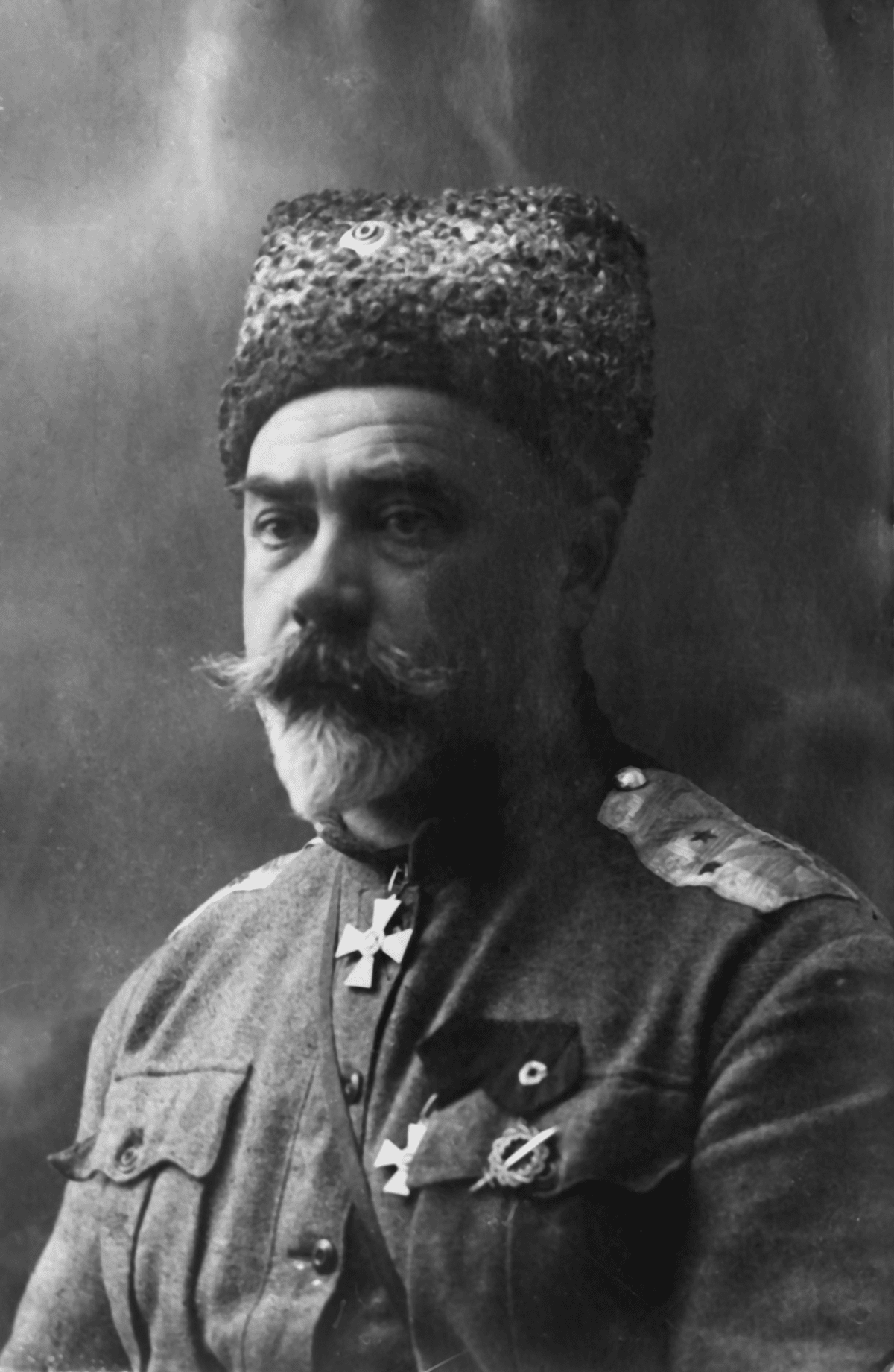
Anton Ivanovich Denikin, Commander-in-Chief of the Armed Forces of South Russia. 1918
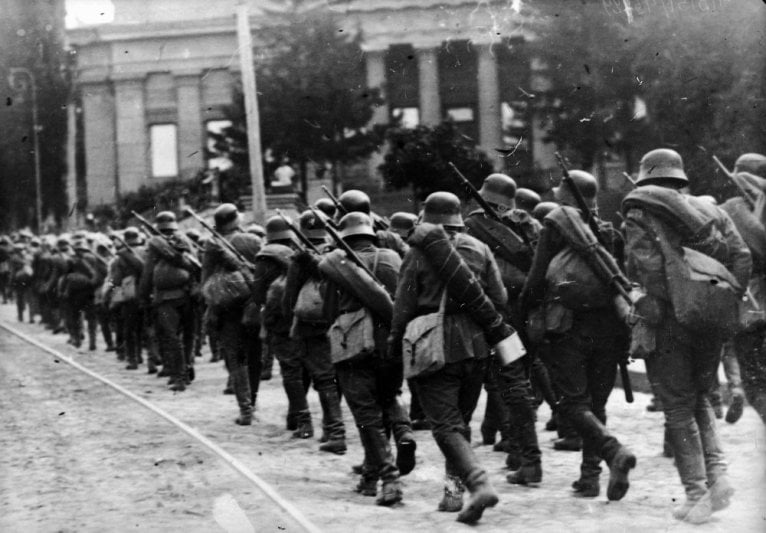
German troops entering Kyiv. 1 March 1918, Russian State Archive of Film and Photo Documents
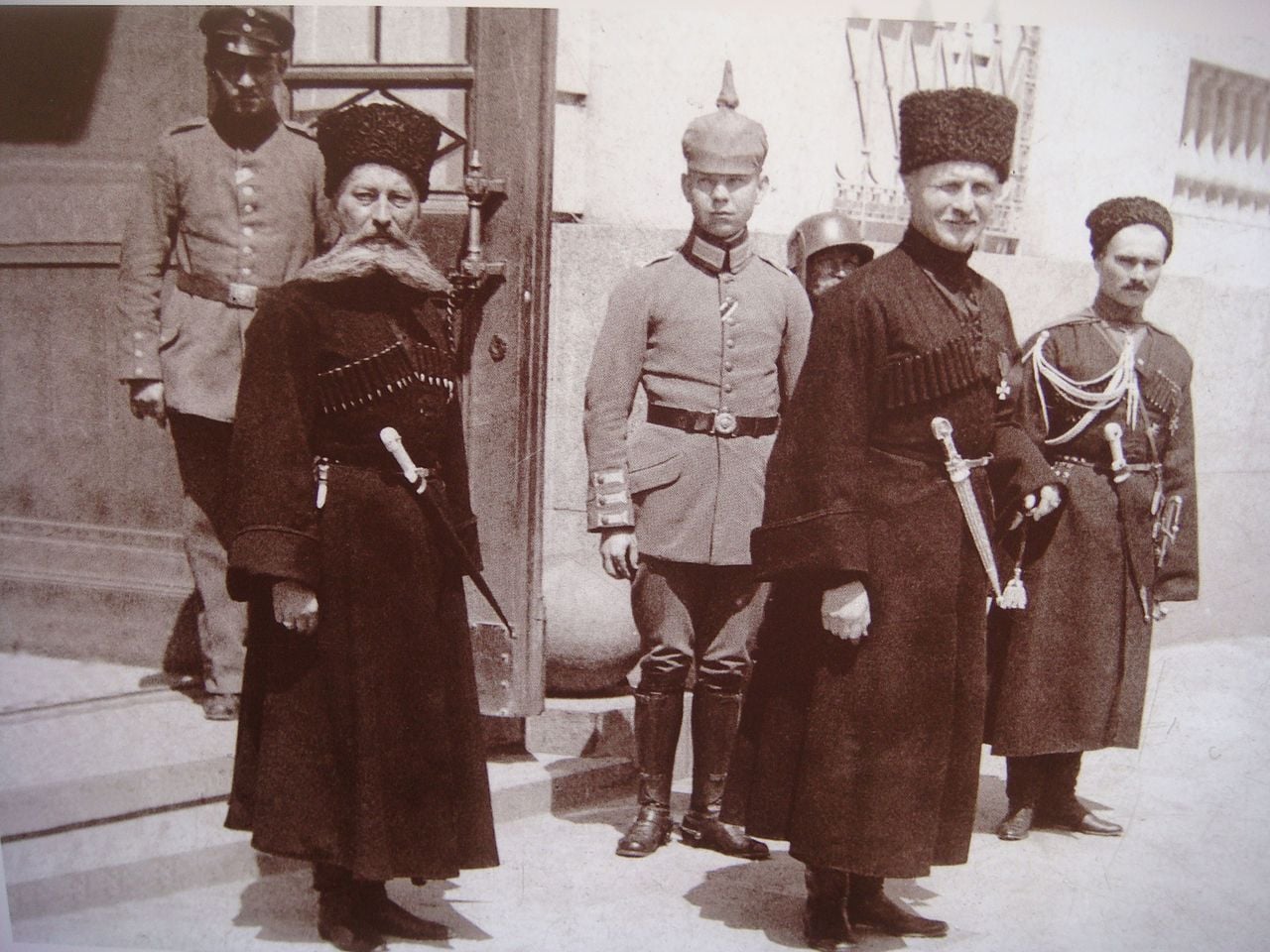
“Hetman” Pavlo Petrovych Skoropadsky and German officers, 1918
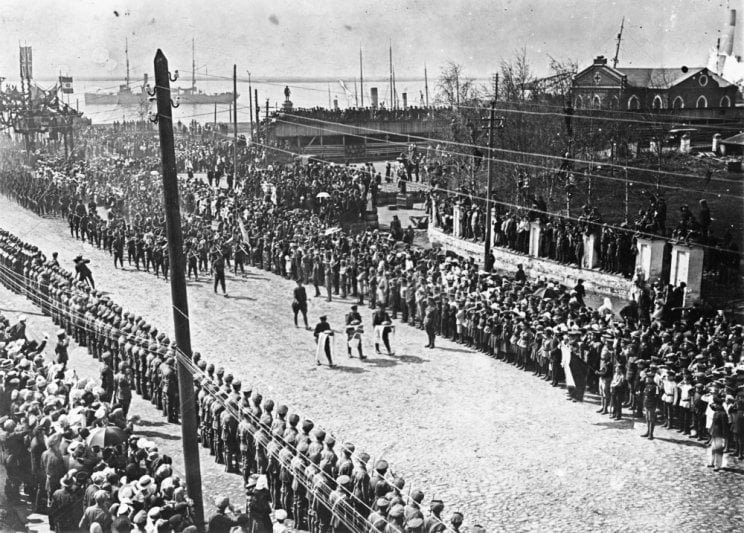
Representatives of the Arkhangelsk municipal authorities welcoming Entente troops with bread and salt. 2 August 1918, Russian State Archive of Film and Photo Documents
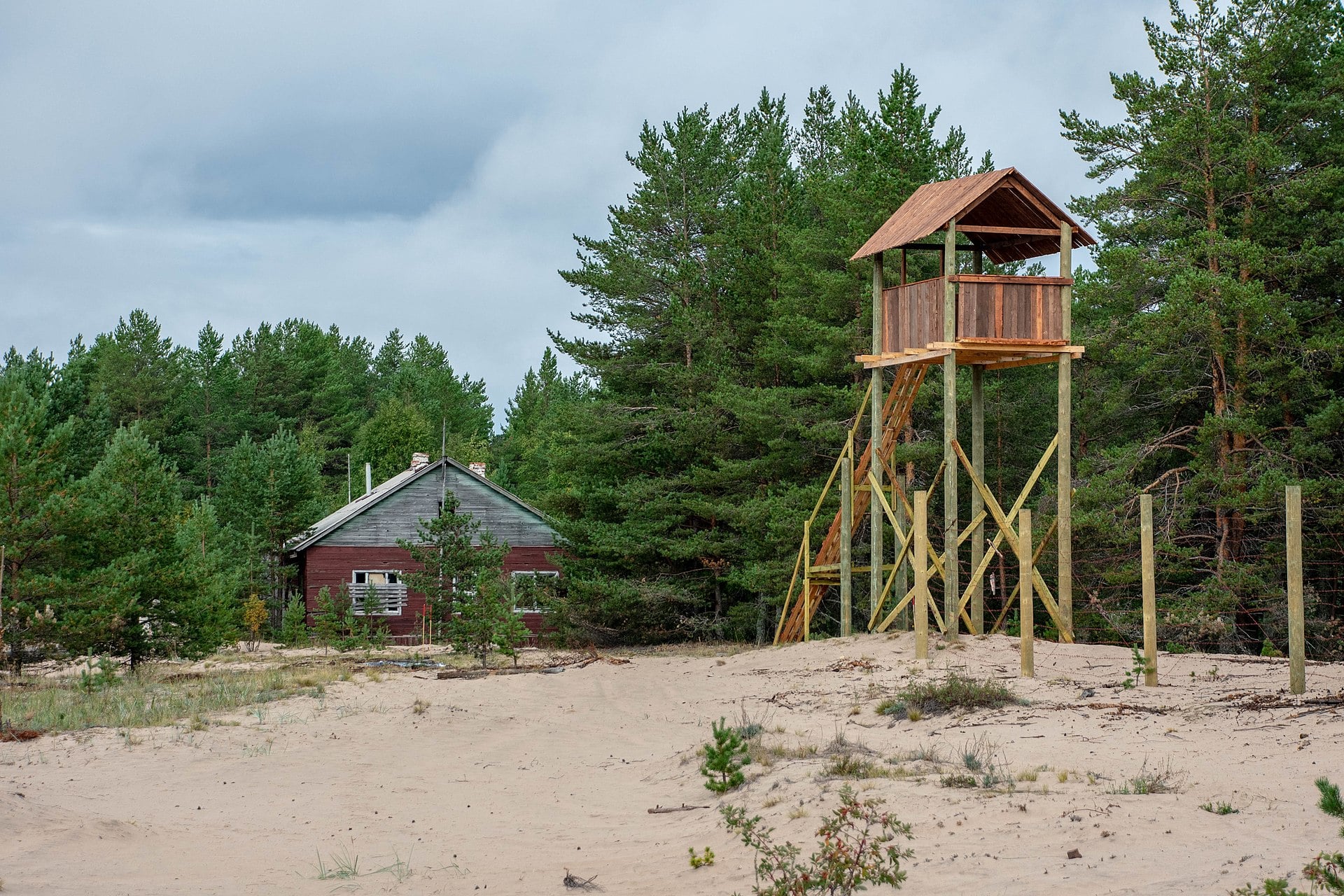
Reconstruction of camp buildings on Mudyug Island, Arkhangelsk Region
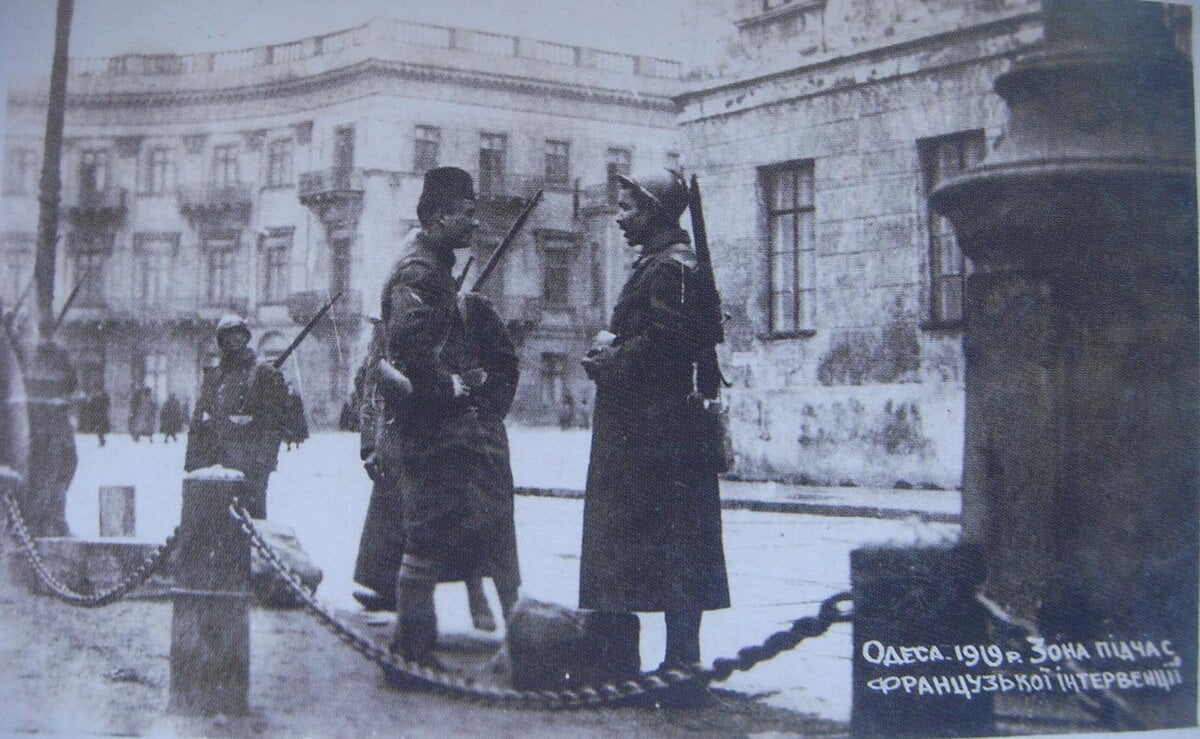
French intervention forces in Odessa. 1919
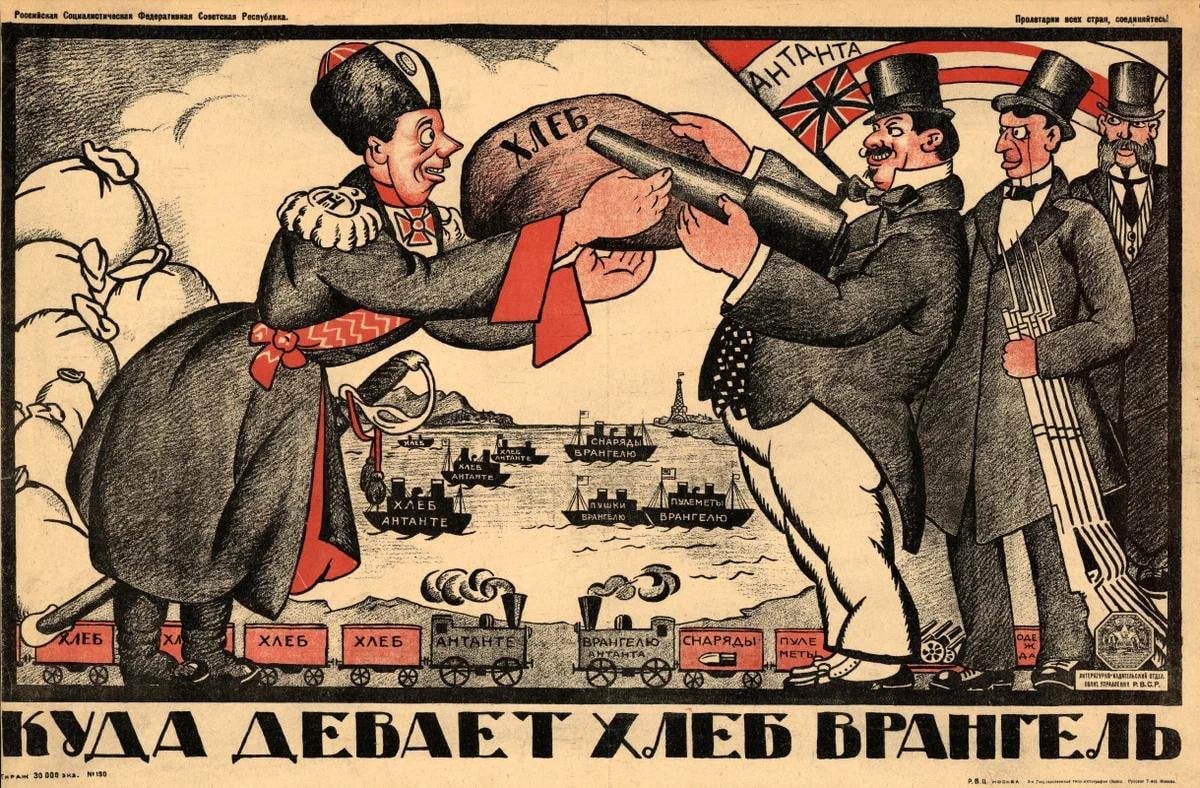
“Where Does Wrangel Send the Grain?” Artist: N. Kogout, 1920
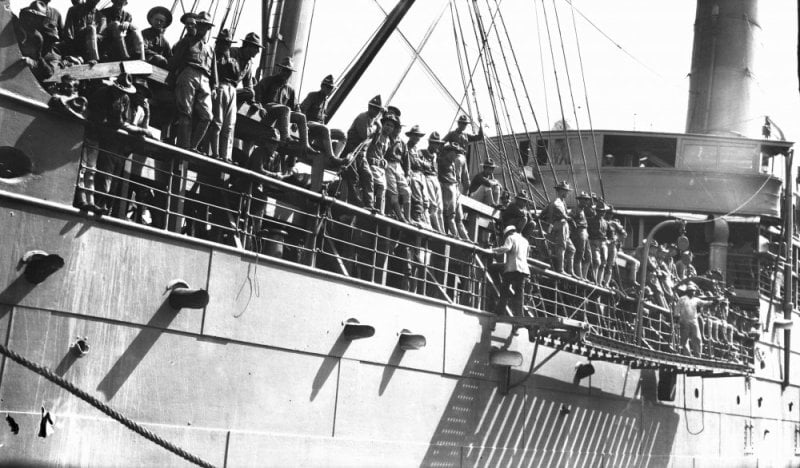
Arrival of the American Expeditionary Force. Vladivostok, August 1918, Russian State Archive of Film and Photo Documents
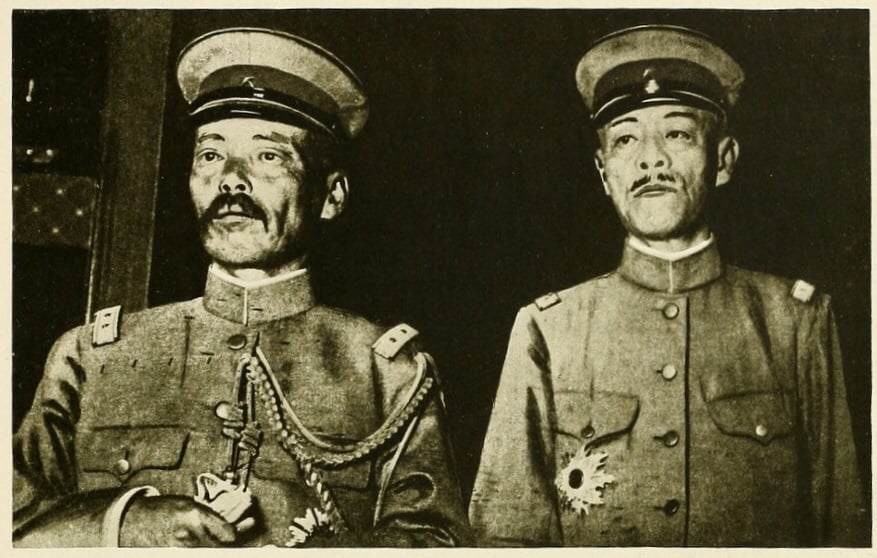
Lieutenant General Mitsue Yui and General Kikuzo Otani, commanders of the Japanese forces in Siberia, 1919
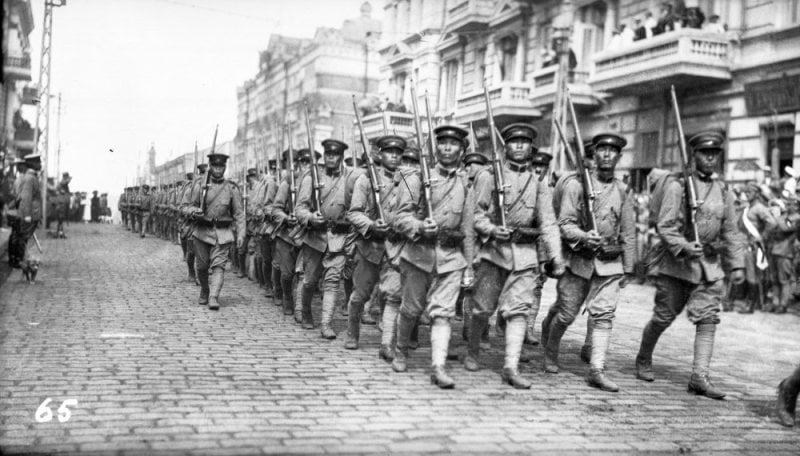
Japanese intervention forces on the streets of Vladivostok. 1918, Russian State Archive of Film and Photo Documents
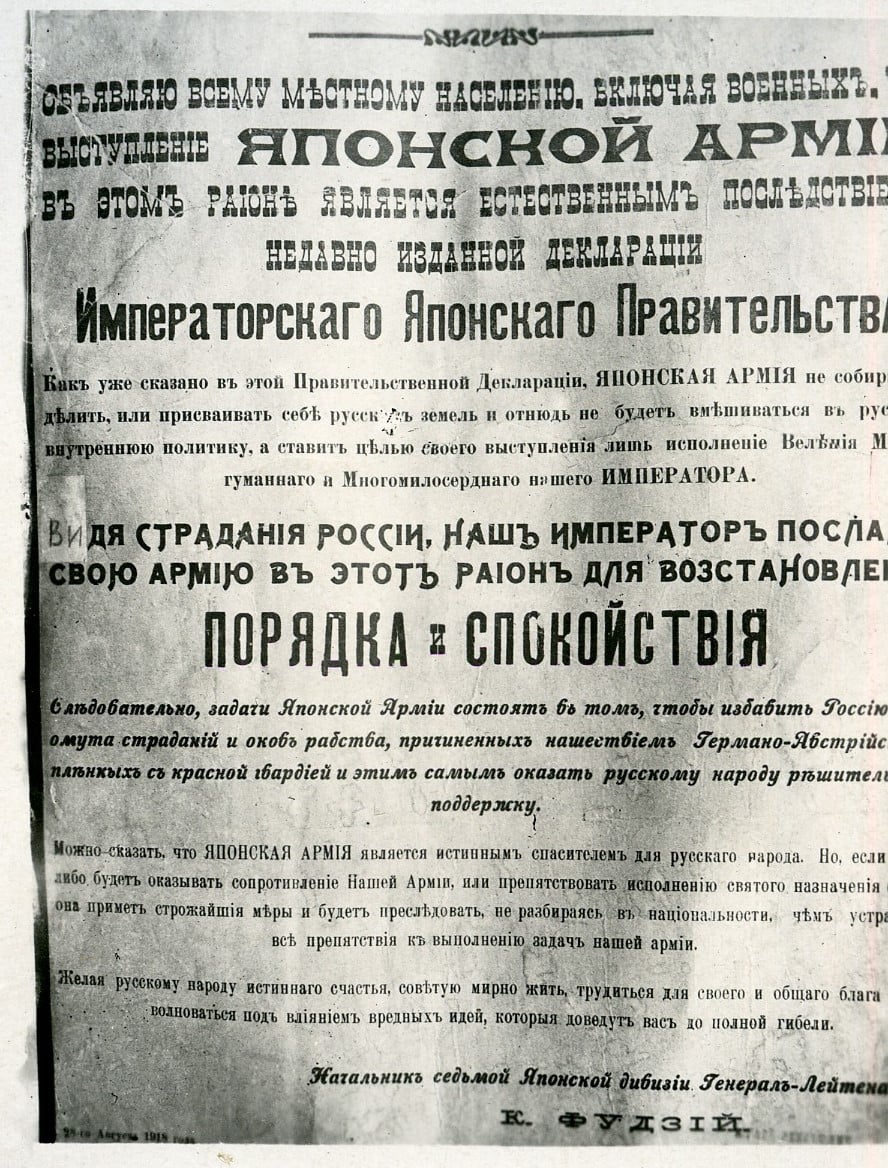
“I Declare to the Entire Local Population, Including the Military...” Lieutenant General Fujii's address on the aims of the Japanese intervention in the Far East (photocopy). 1918, State Central Museum of Contemporary History of Russia
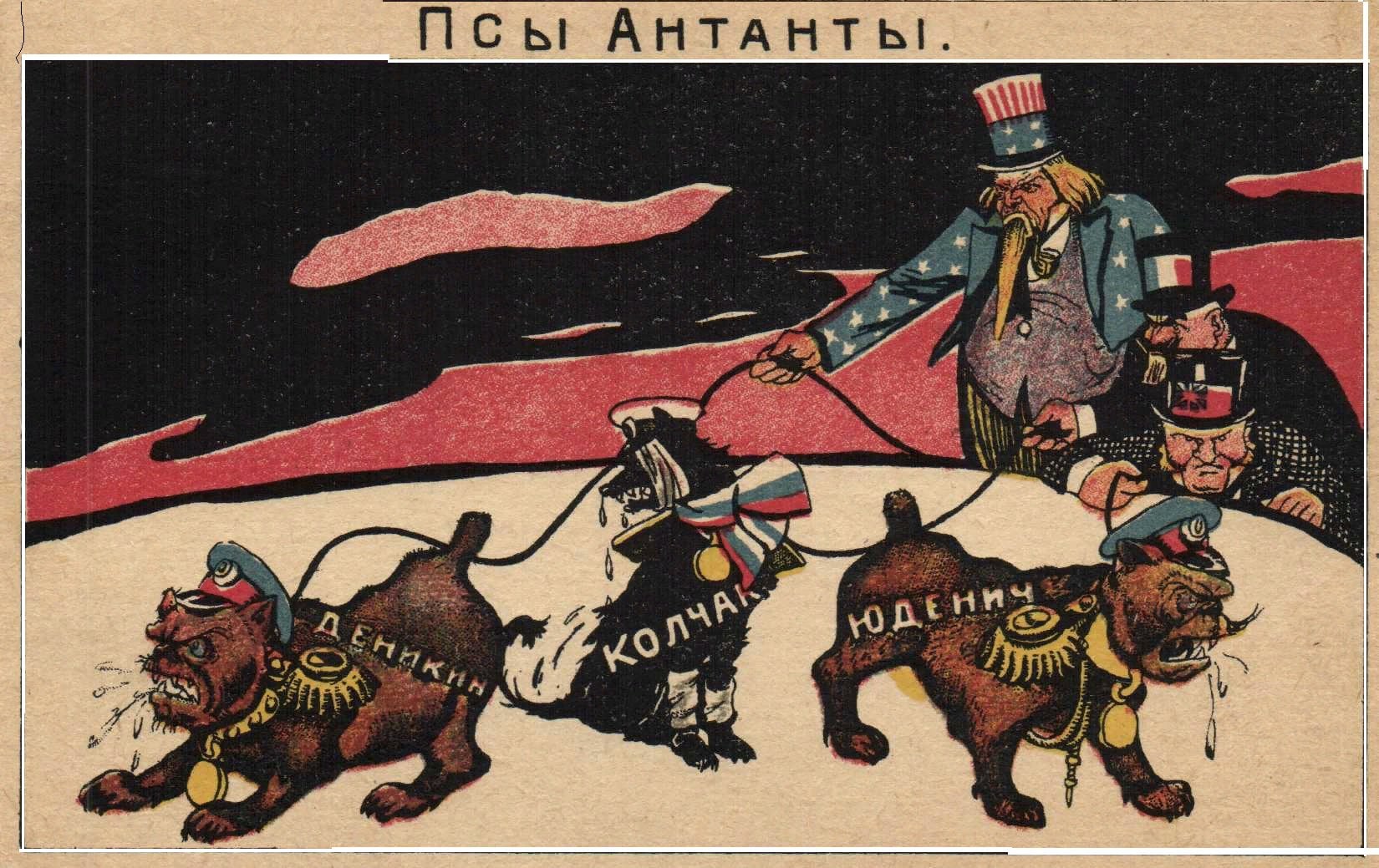
“The Dogs of the Entente.” Artist: V. Deni, 1920. Soviet propaganda regularly emphasised the cooperation of White movement leaders with the Entente countries