Protecting the Sovereignty of the Russian State. History and the Present

«Sparks of freedom»

If I were to be granted one point of foreign policy and no other, I would make it the free flow of information» - John Foster Dulles, 1946

In the late 1940s, the U.S. Congress passed a series of laws defining the legal framework for the activities of the renewed propaganda apparatus aimed at socialist countries. The staff of the Psychological Strategy Board alone (1951–1953) numbered 9,000 people.

In February 1947, the «Voice of America» radio station began broadcasting in Russian. A bit later Radio «Free Europe», specialising in subversive radio broadcasts against five socialist countries of Eastern Europe, was established along with Radio Liberty, broadcasting in the languages of the USSR peoples (at first it was called Radio «Liberation»). In 1976, both radio stations would be merged into Radio «Liberty», whose formal source of financing would be the United States Information Agency.

In contrast to the official Voice of America, Radio «Liberty» was presented as an «independent» media outlet (the evidence of its funding by the CIA in 1971 in the American press surfaced, which provoked a real scandal in Congress). This fact was inevitably brought up to the Soviet diplomats, who repeatedly condemned the attempts of rough foreign propagandists’ interference into the internal affairs of the USSR.

By the end of the 1970s the volume of radio broadcasts from capitalist countries at the Soviet Union had reached 200 hours per day. «The radio broadcasting for foreign countries is one of the key elements of the United States external policy», — as president Jimmy Carter noted in the official report to the USA Congress.
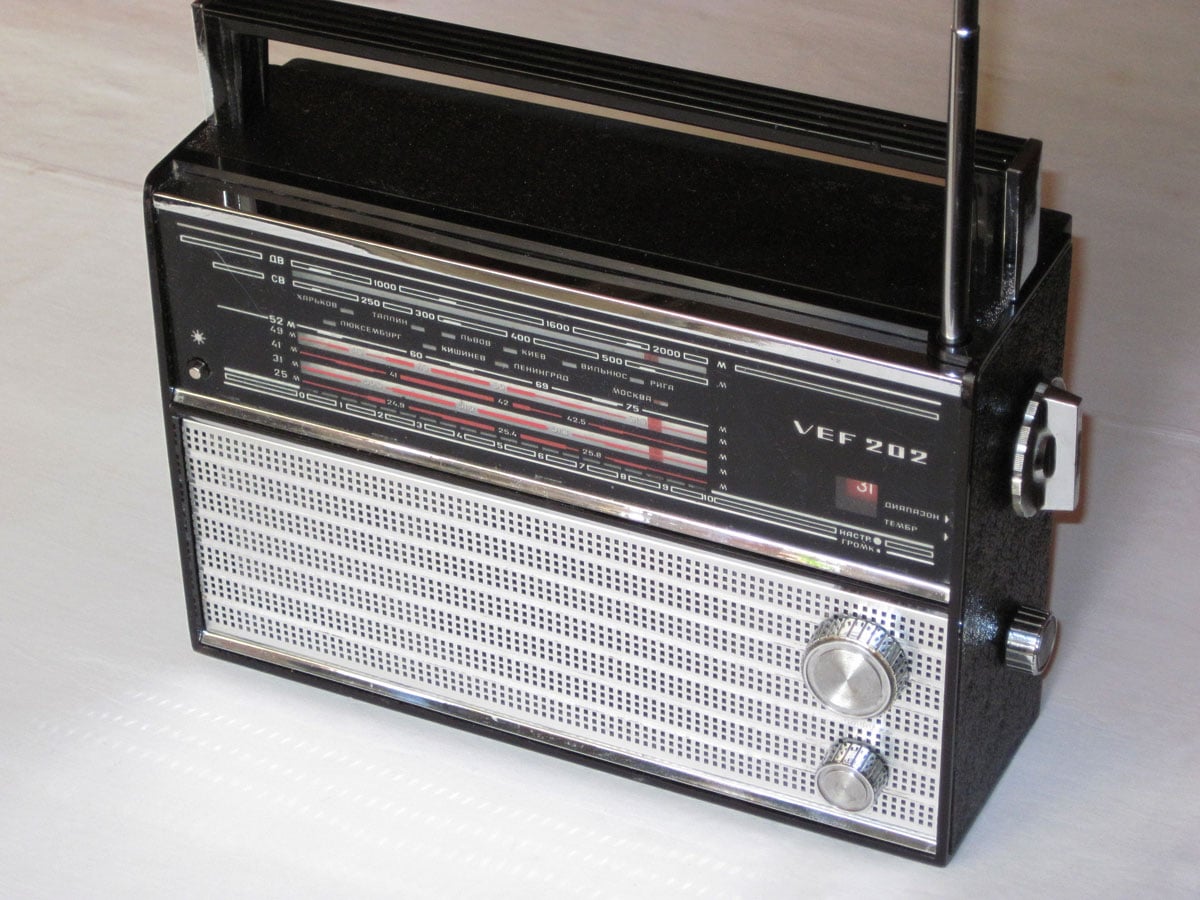
The 1971 VEF-202, one of the most popular transistor radios in the USSR
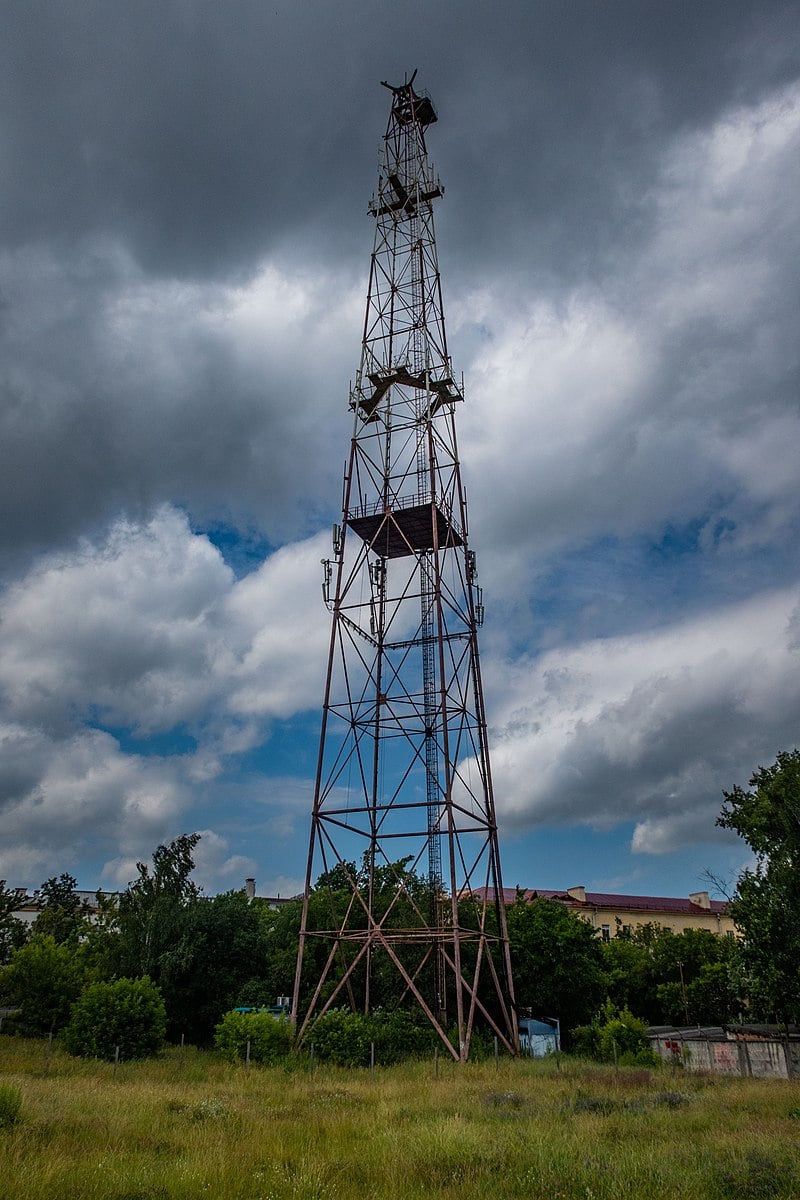
A surviving “jamming tower” in Minsk. Such devices were used in the USSR to combat illegal foreign broadcasts
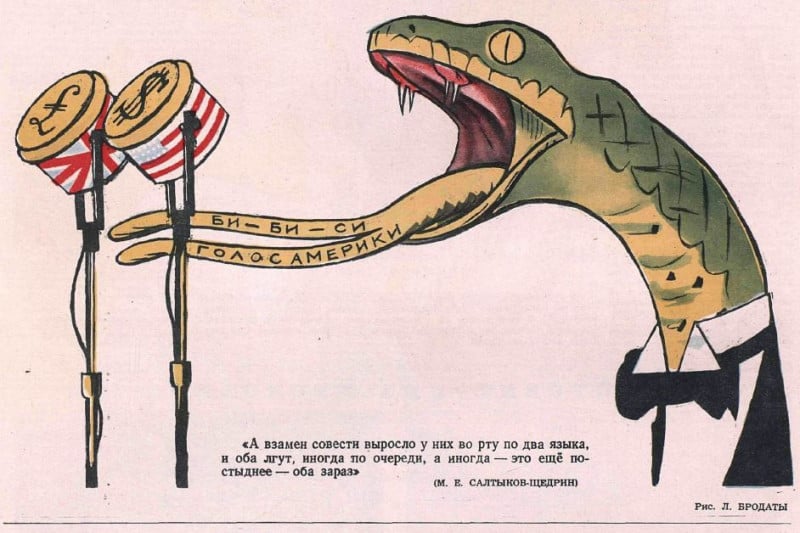
Caricature “And in Place of a Conscience, Two Tongues Grew in Their Mouths...” Artist: L. Brodaty. 1949
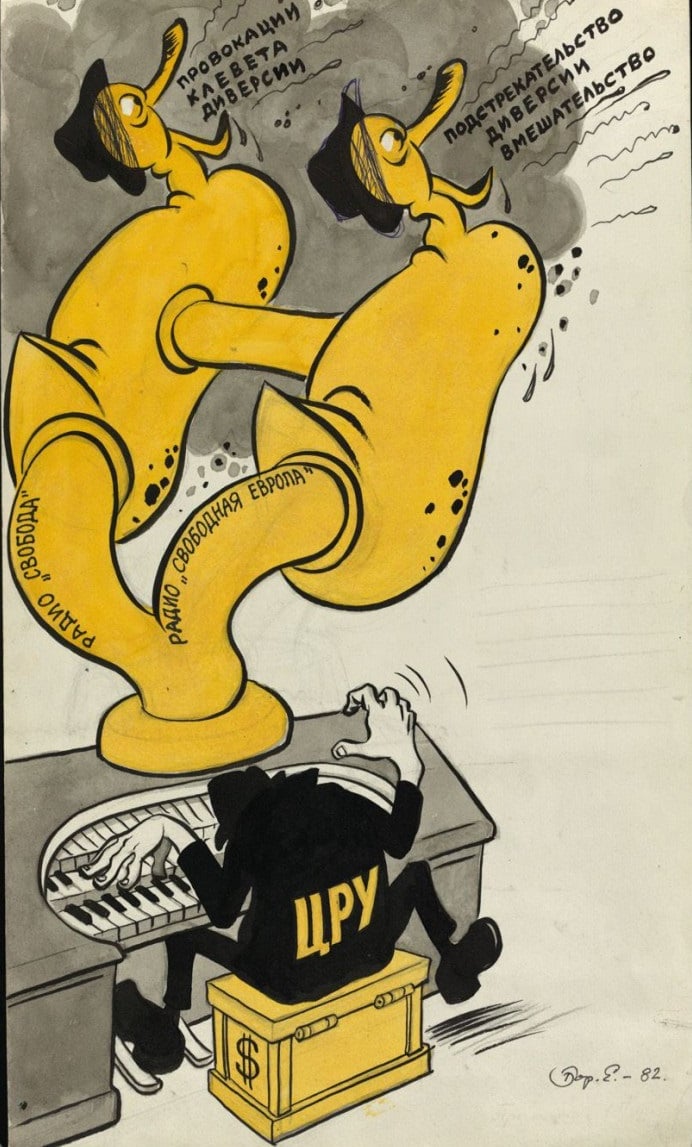
Caricature. Artist: B. Yefimov, 1982
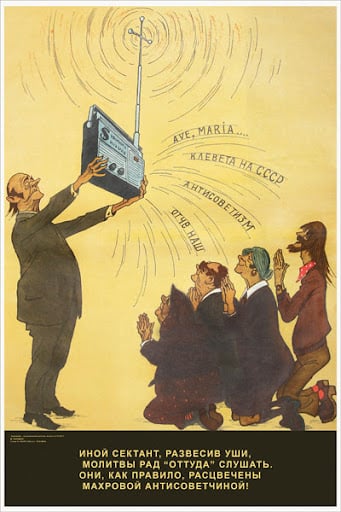
Caricature “Some Sectarians, Listening Gullibly...” Artist: M. Abramov. 1980s
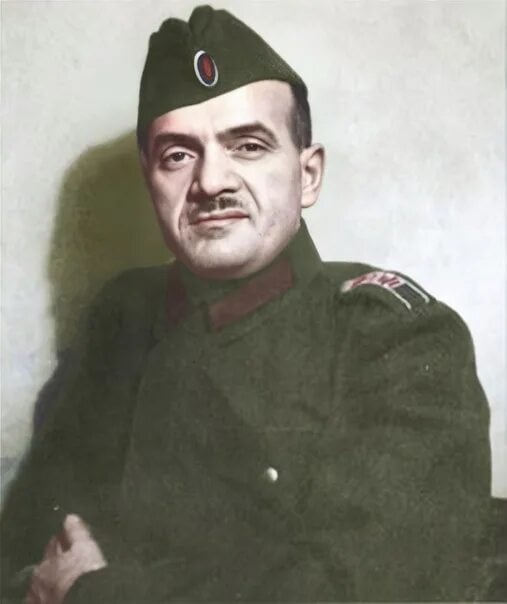
Konstantin Grigoryevich Kromiadi, head of personnel at Radio Liberation (Radio Liberty from 1959). A collaborator from 1941. In early March 1942, he formed the Russian National People's Army from Soviet prisoners of war who had defected to the enemy. After Germany's surrender, he lived in Munich
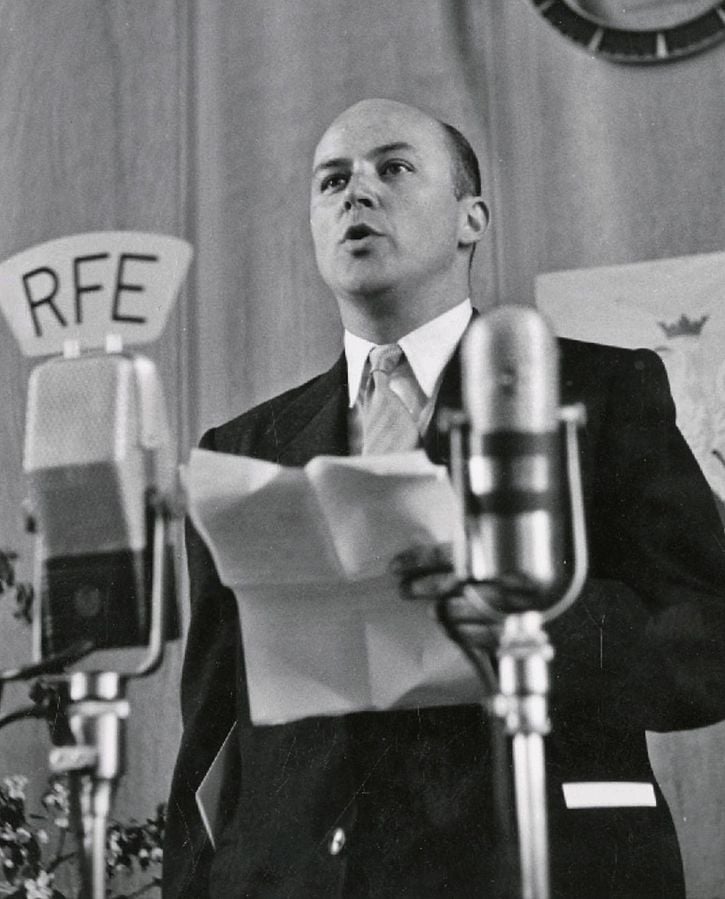
Jan Nowak-Jezioranski, long-serving director of the Polish service of Radio Free Europe, 3 May 1952
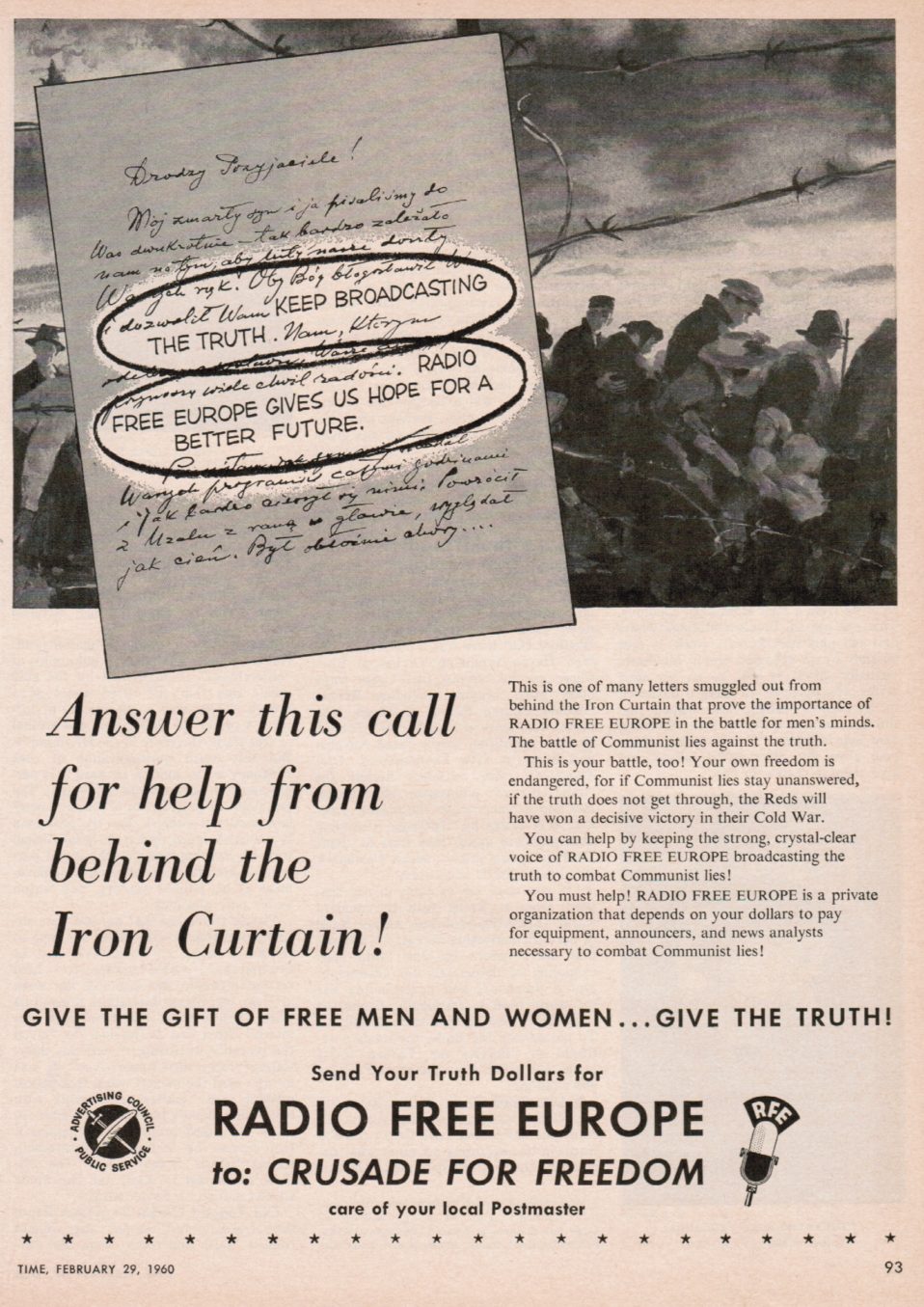
Advertisement for the “Crusade for Freedom” on Radio Free Europe in TIME magazine. 1960
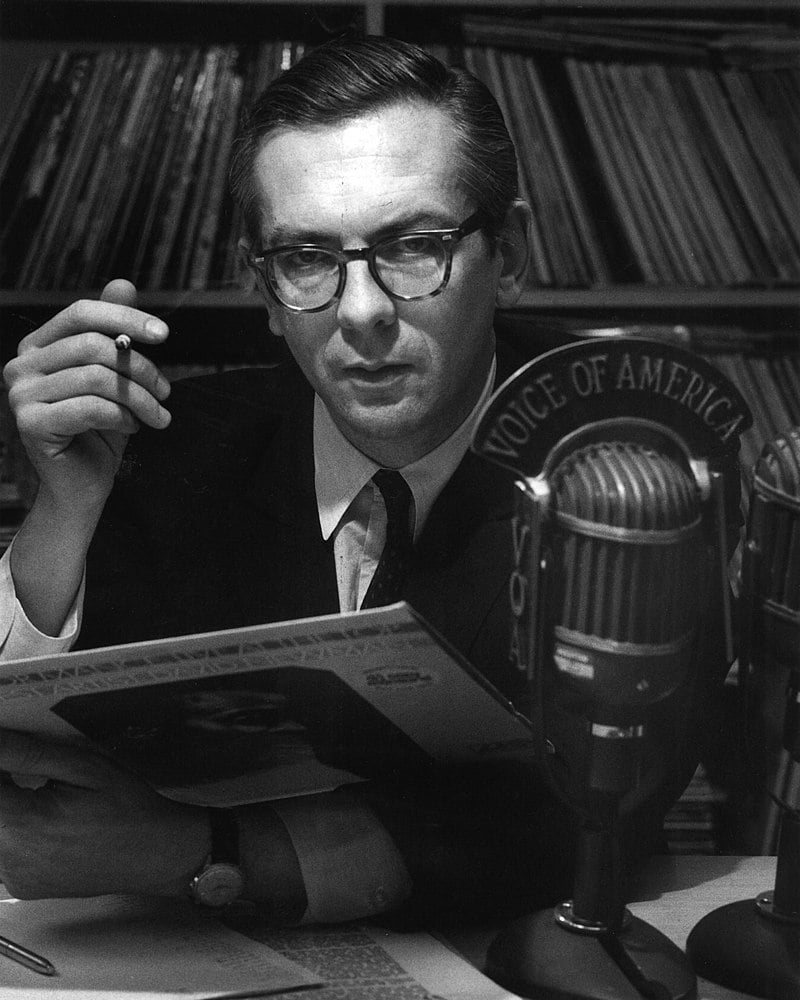
Willis Conover, radio broadcaster and jazz producer, creator of the programme Music USA, which was popular in the USSR as well, broadcasting on Voice of America, 1969