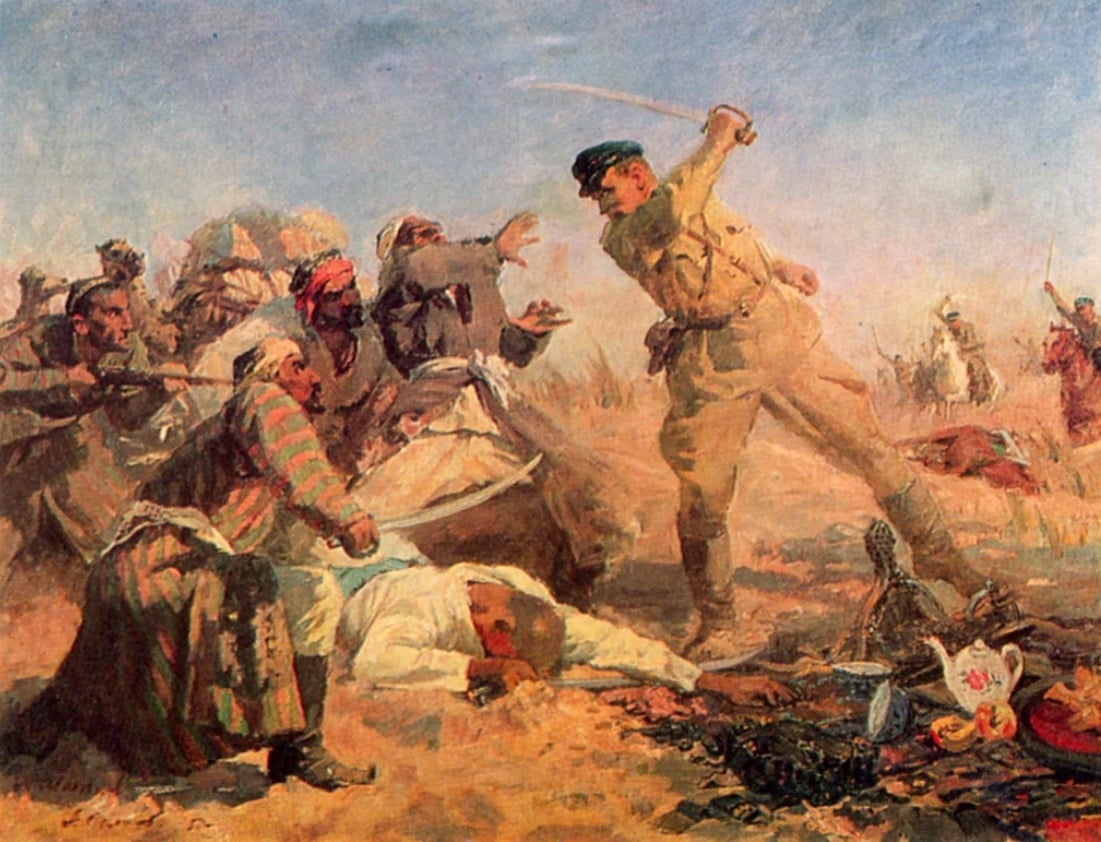
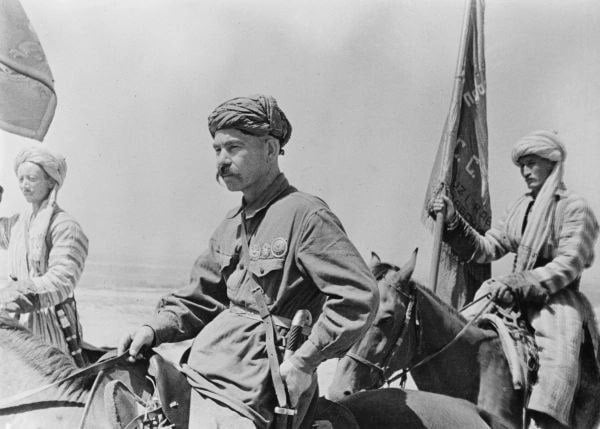
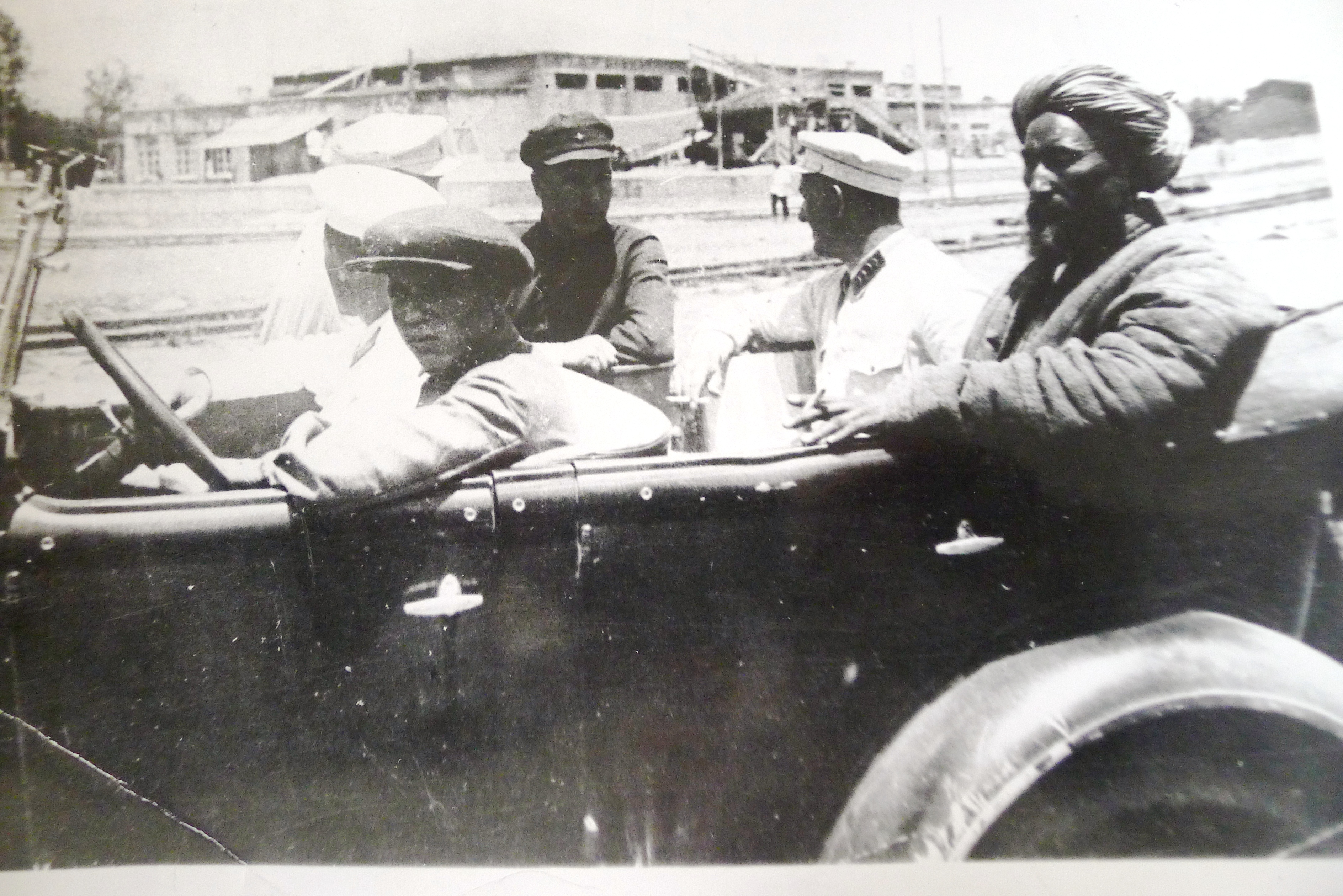
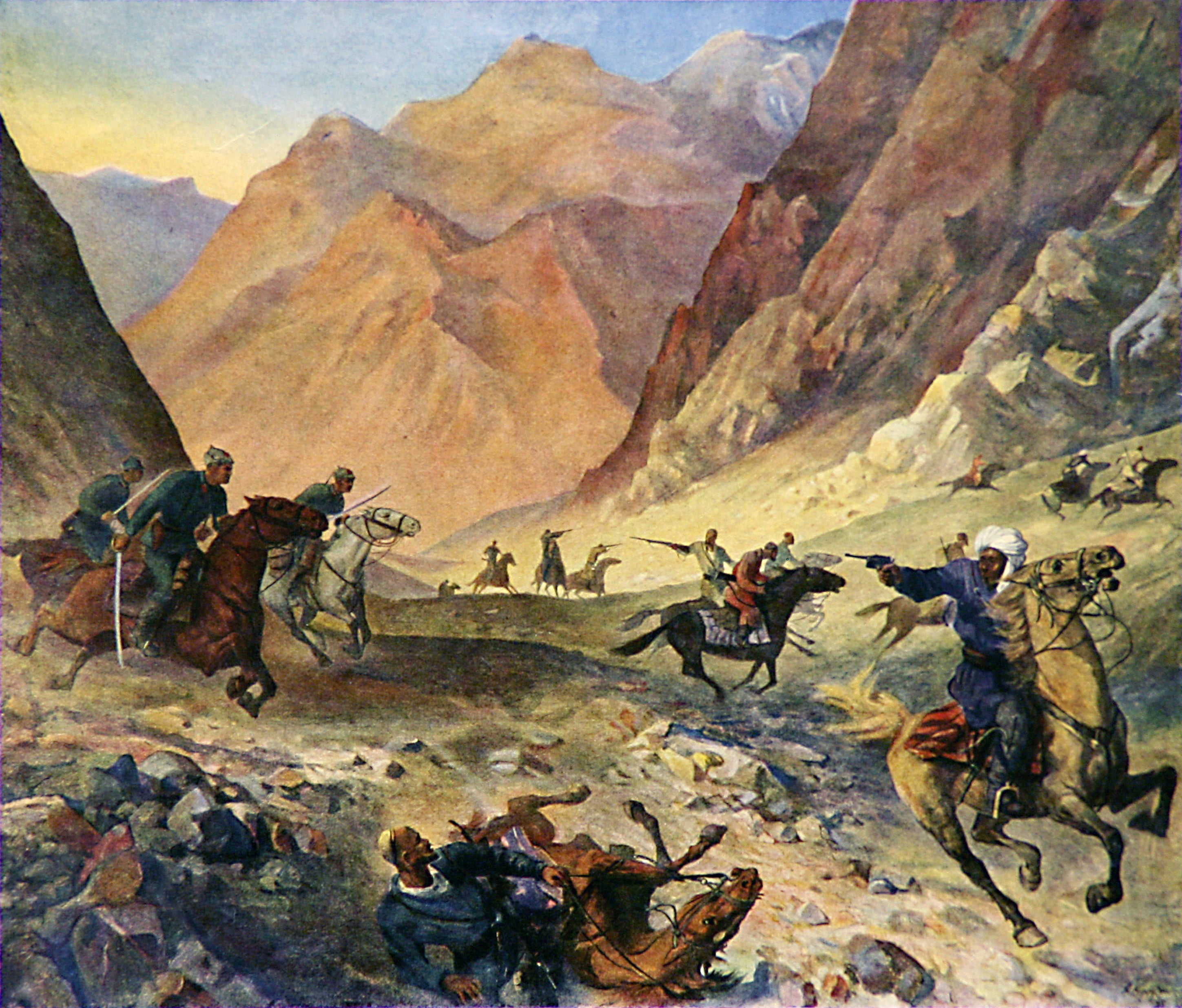
The term "Basmachi" (from the Turkic "basmak" - to attack) is used to refer to bandits who carried out raids on the southern borders of the USSR from 1917 until the late 1930s. It is not accurate to describe this movement as organized; the groups, which sometimes numbered in the thousands, were formed based on territorial and tribal affiliations and often fought against each other. At various times, leadership in the Basmachi movement shifted to different commanders, while many small bands did not submit to any authority at all. By suddenly attacking settlements and garrisons in the steppe, the Basmachi looted Soviet warehouses, committed murders, and perpetrated other crimes against the civilian population.
As a rule, Basmachi camps were located beyond USSR borders. Raiders were taking advantage of the Soviet government lacking resources to control such a vast border. It was Great Britain who provided the most active assistance to Basmachi and supplied them generously with money and arms. Certain bands were also funded by Iran, Türkiye, the Khanate of Khiva, the Emirate of Bukhara, Afghanistan and so-called “Xinjiang warlords”, striving to weaken Soviet Russia and strengthen their influence in Central Asia with the help of the Basmachi. In this sense “The Great Game” didn't come to an end even after the collapse of the Russian Empire.