Protecting the Sovereignty of the Russian State. History and the Present

«The Greatest Threat to Soviet Communism»

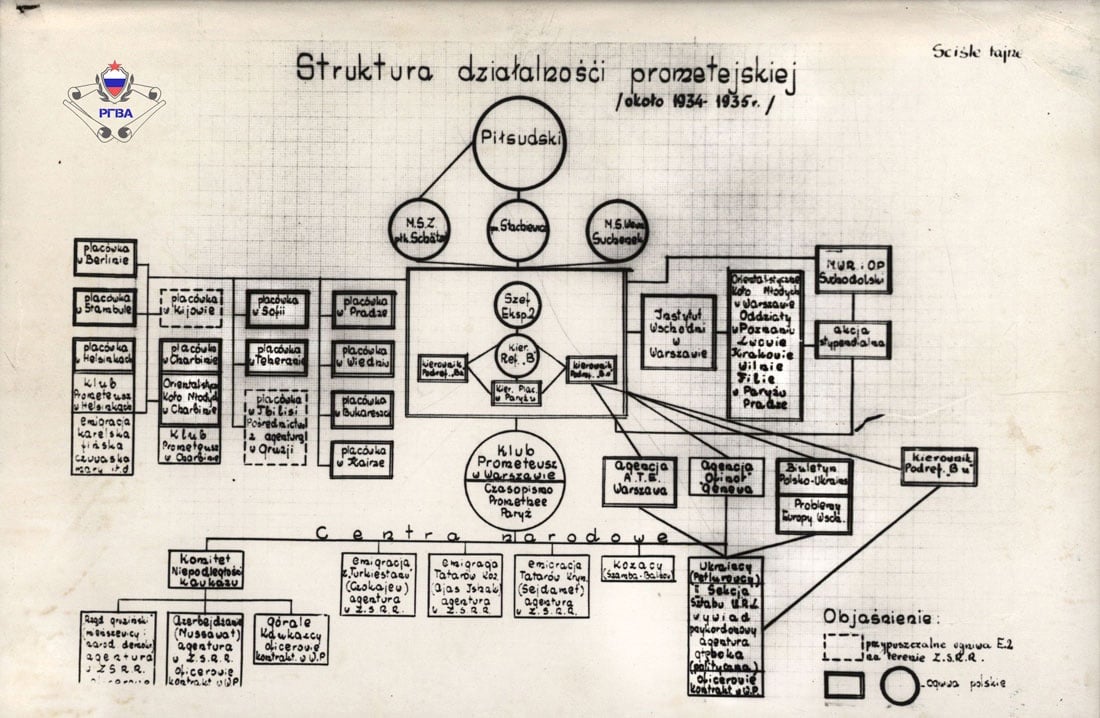
In 1950, Robert F. Kelley, one of the principal ideologues of the Cold War, concluded in his memorandum On the Utilization of Russian Political Émigrés that the US security services, locked in their struggle with the USSR, should pin their hopes on nationalism – “the gravest threat to Soviet communism”. The blueprint was not, in fact, a new one. As early as 1926, the organisation “Prometheus” had been established in Paris at the initiative of Polish intelligence, bringing together anti-Soviet representatives of Azerbaijan, Georgia, “Idel-Ural”, “Ingria”, Karelia, Komi, Crimea, the Kuban, the North Caucasus, Turkestan, and the Don Cossack. Branches of Prometheus, dedicated to the dismemberment of the Soviet state, operated in Harbin, Helsinki, Berlin, and Tehran. Also working in support of the movement were the Oriental Institute in Warsaw and the Scientific Research Institute of Eastern Europe in Vilna.

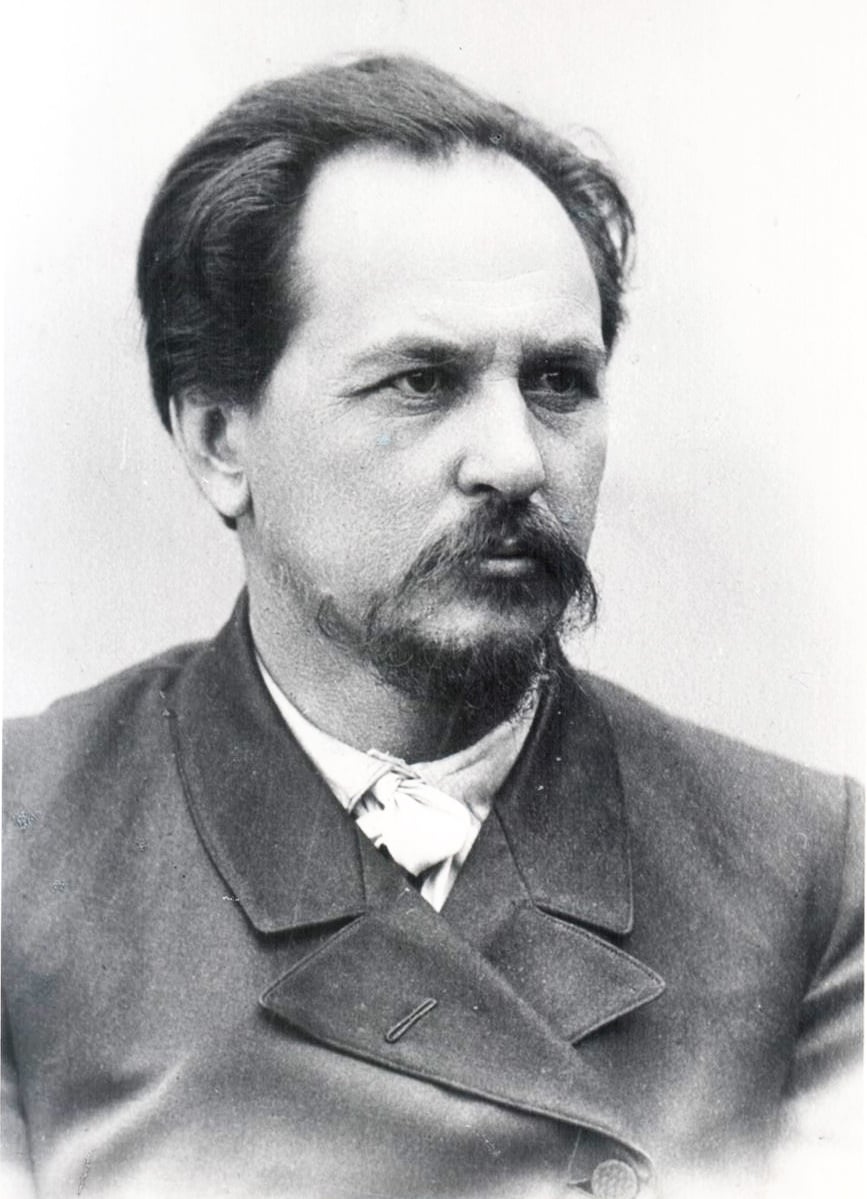
Ukrainian nationalists distinguished themselves by especial fervour in their struggle against Soviet rule. Yevgeny Chikalenko, leader of the Ukrainian Democratic Radical Party, noted that as of September 1910 the total number of adherents of the Ukrainian movement amounted to some 2,000 persons, of whom no more than 300 were active members. He later recalled: “The bulk of the movement's activists occupied two carriages of the train from Kiev to Poltava. Had it derailed, the Ukrainian movement would have been dealt a grave blow, setting back the development of the Ukrainian cause by years, if not decades…”

World War I saw the Ukrainian movement expand considerably, not least because the nationalists regularly relied on assistance from abroad: Austrian, German, and subsequently Nazi intelligence services provided them with funding, political backing, and weapons. In 1938, the Abwehr recruited the leaders of the Organisation of Ukrainian Nationalists, Andrey Melnik and Stepan Bandera. Their subordinates were deployed by the Nazis for reconnaissance and sabotage against Poland and the Soviet Union. Bandera's and Melnik's followers have the blood of countless victims of reprisal operations on their hands. In December 1942 the “Ukrainian Insurgent Army” was formed out of Ukrainian collaborators, followed in the spring of 1943 by the 14th Waffen-SS Division “Galicia”.
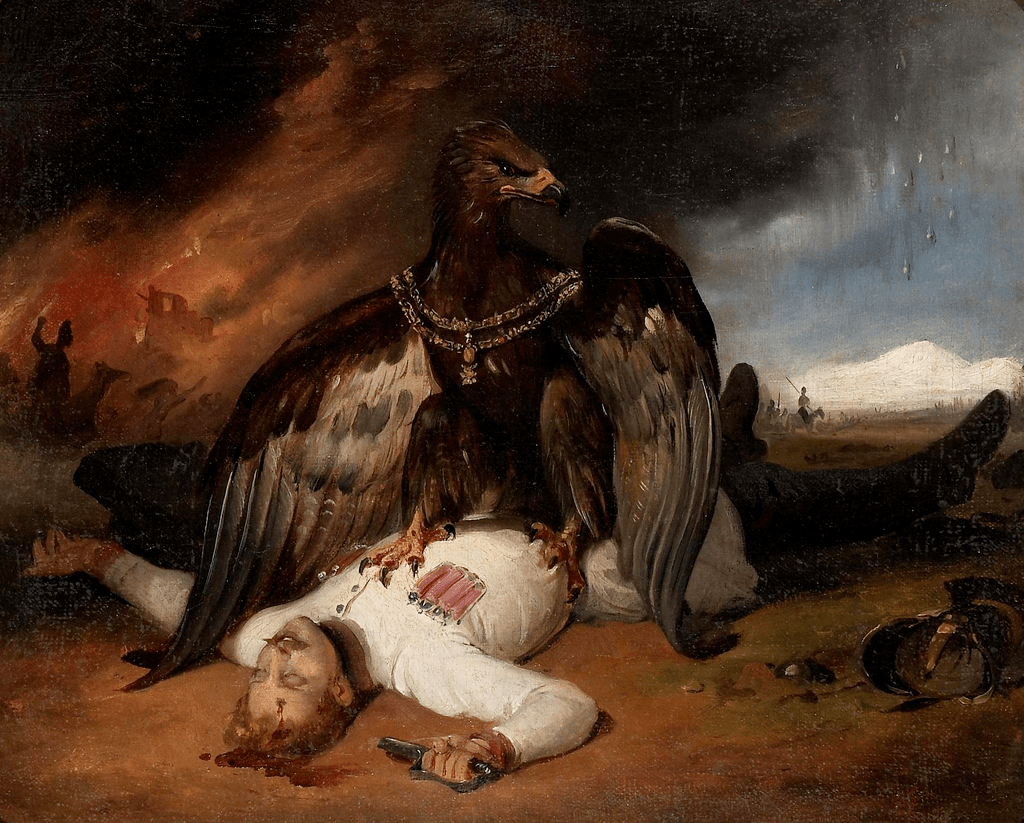
“The Polish Prometheus, or an Allegory of Defeated Poland.” Artist: H. Vernet. Painted under the impression of the Polish uprising of 1830–1831, the work became one of the symbols of Prometheism, a messianic doctrine of Polish emigrants
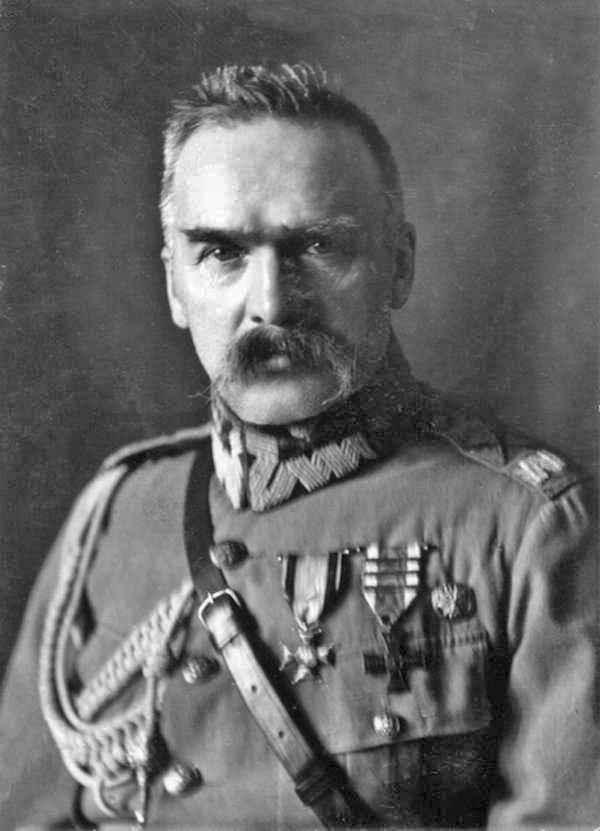
Jozef Pilsudski, Polish military leader, statesman and politician, the first head of the restored Polish-Lithuanian Commonwealth and an active supporter of Prometheism. 1920s. Members of the YMCA men's cabinet (governing body), 1923
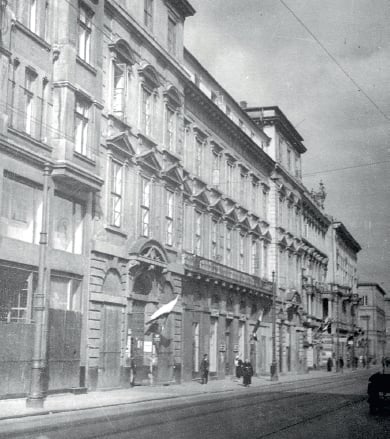
Headquarters of the Eastern Institute, an intelligence and analytical centre in Warsaw. 1930s
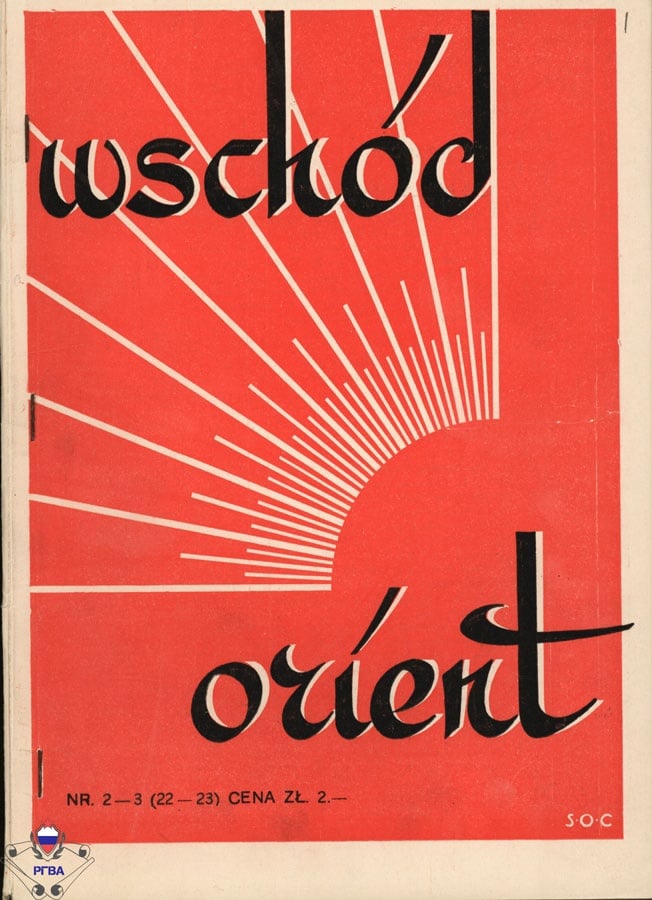
Cover of East magazine. 1936, Russian State Military Archive
Diagram “The Structure of Promethean Activities.” No earlier than 1935, Russian State Military Archive
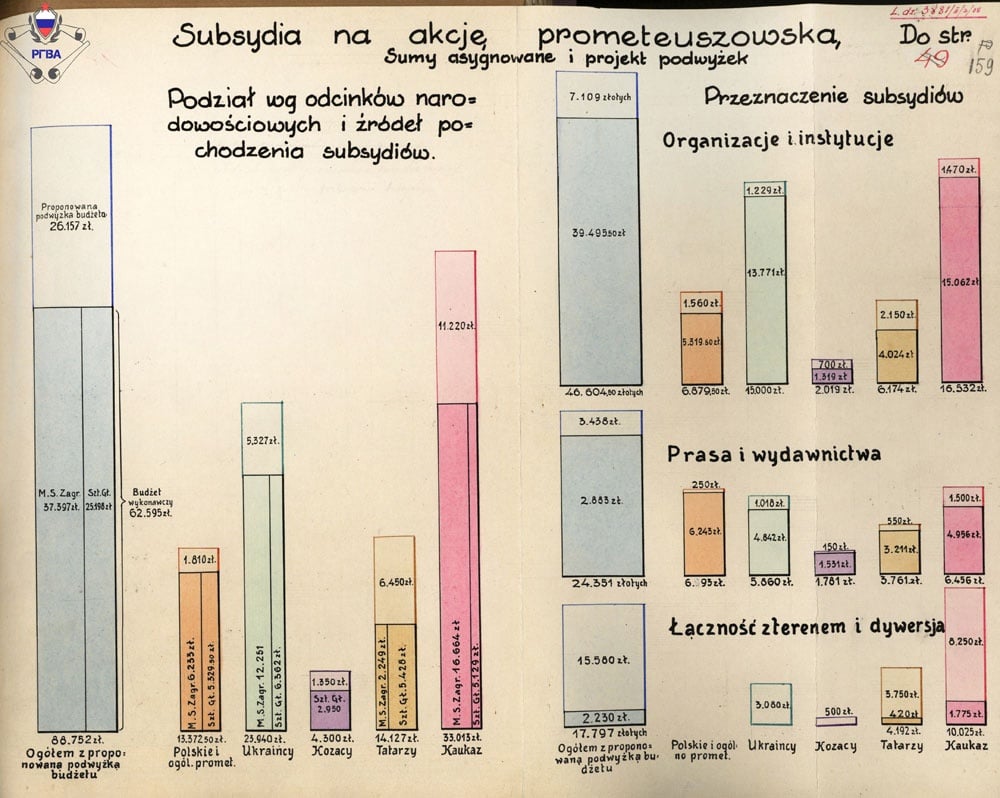
Charts of subsidies from the budgets of Poland's Ministry of Foreign Affairs and the General Staff of the Polish Army for “Promethean” activities. 1938, Russian State Military Archive
Yevhen Kharlampiyovych Chykalenko, Ukrainian nationalist and public figure. Early 20th century
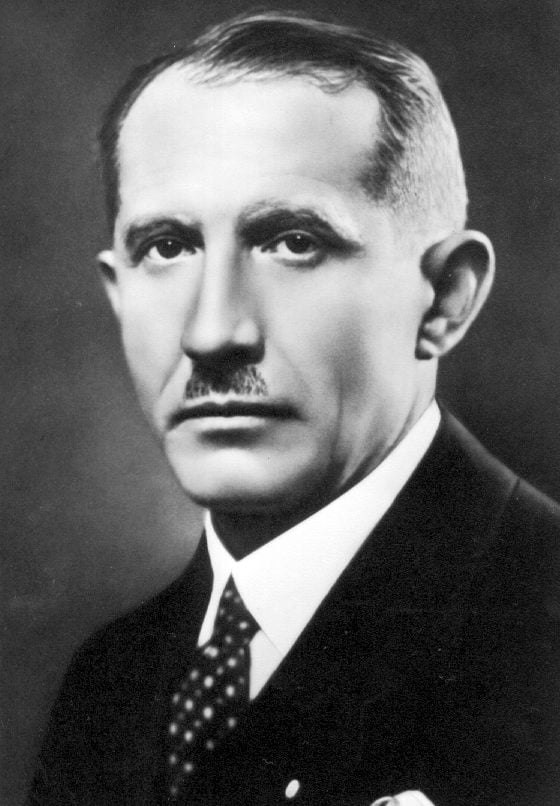
Yevhen Konovalets. Head of the Ukrainian Military Organisation, which he transformed into the Organisation of Ukrainian Nationalists. Killed in Rotterdam by NKVD operative Pavel Sudoplatov. 1936
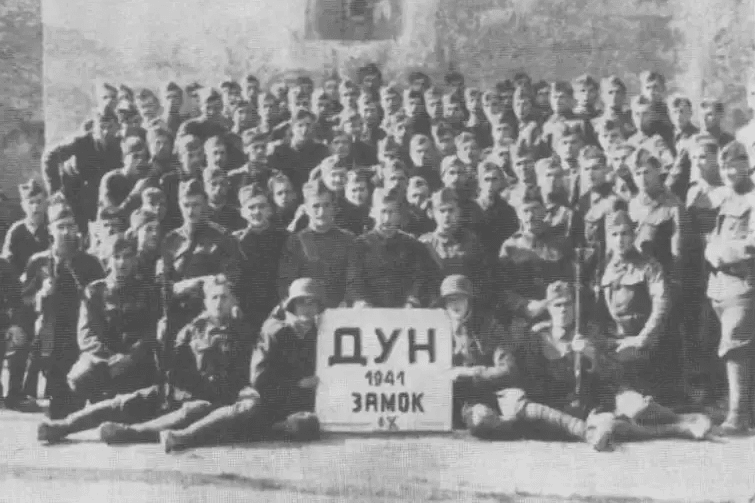
Members of the Ukrainian Nationalist Detachments, from which two Abwehr special forces battalions, Nachtigall and Roland, were formed, 1941
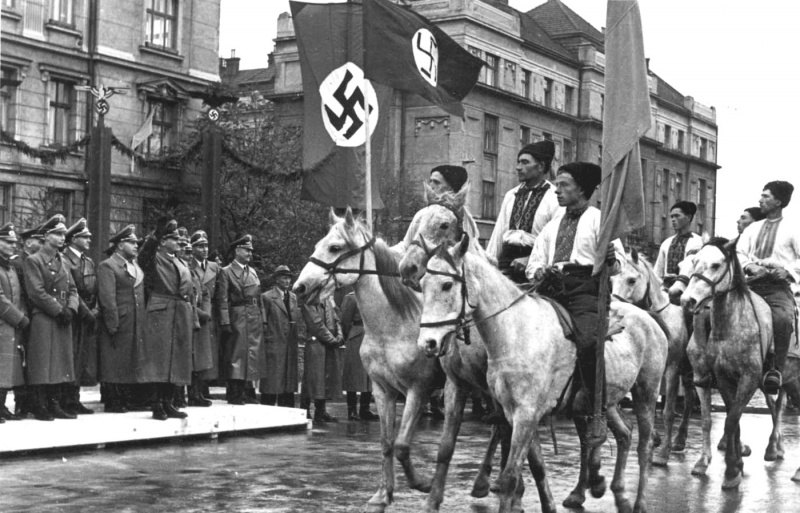
Parade of Ukrainian nationalists in Stanislav (now Ivano-Frankivsk) in honour of a visit by Hans Frank, Governor-General of Poland and Reichsleiter, October 1941
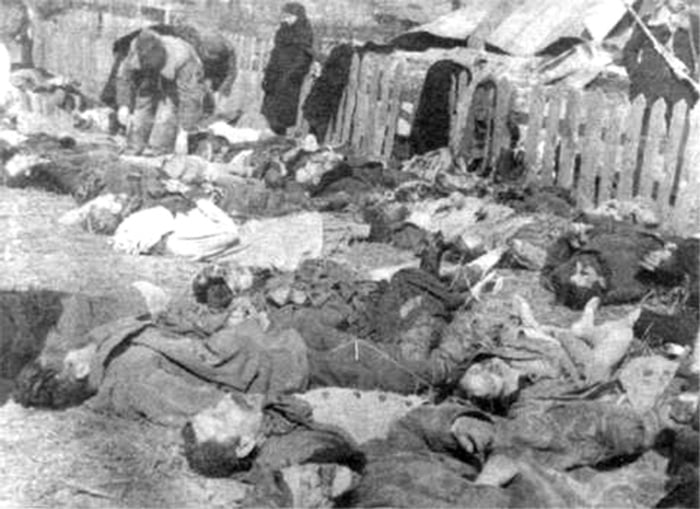
Residents of the village of Lipniki near Berezno, now in Rivne Region, killed as a result of UPA–OUN(b) actions, 1943