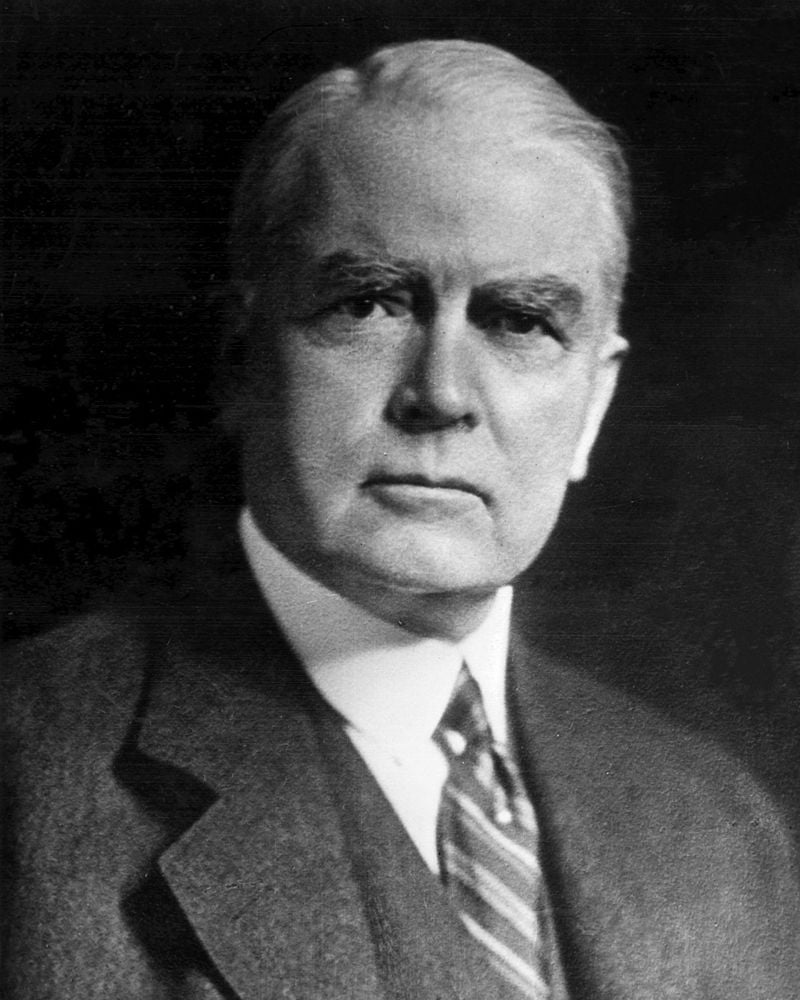
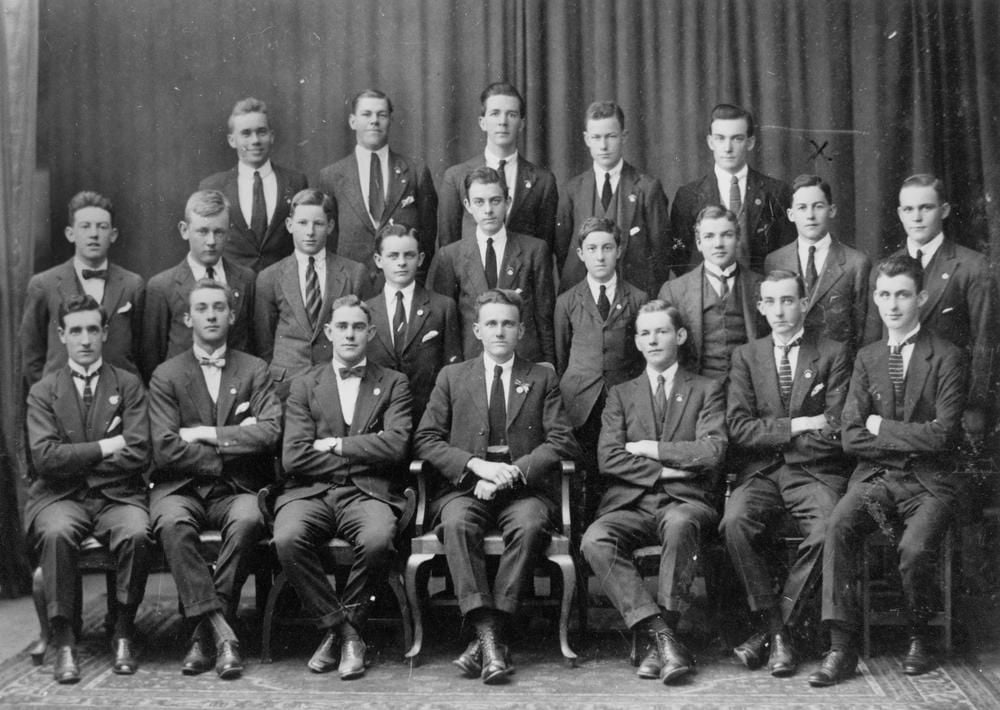
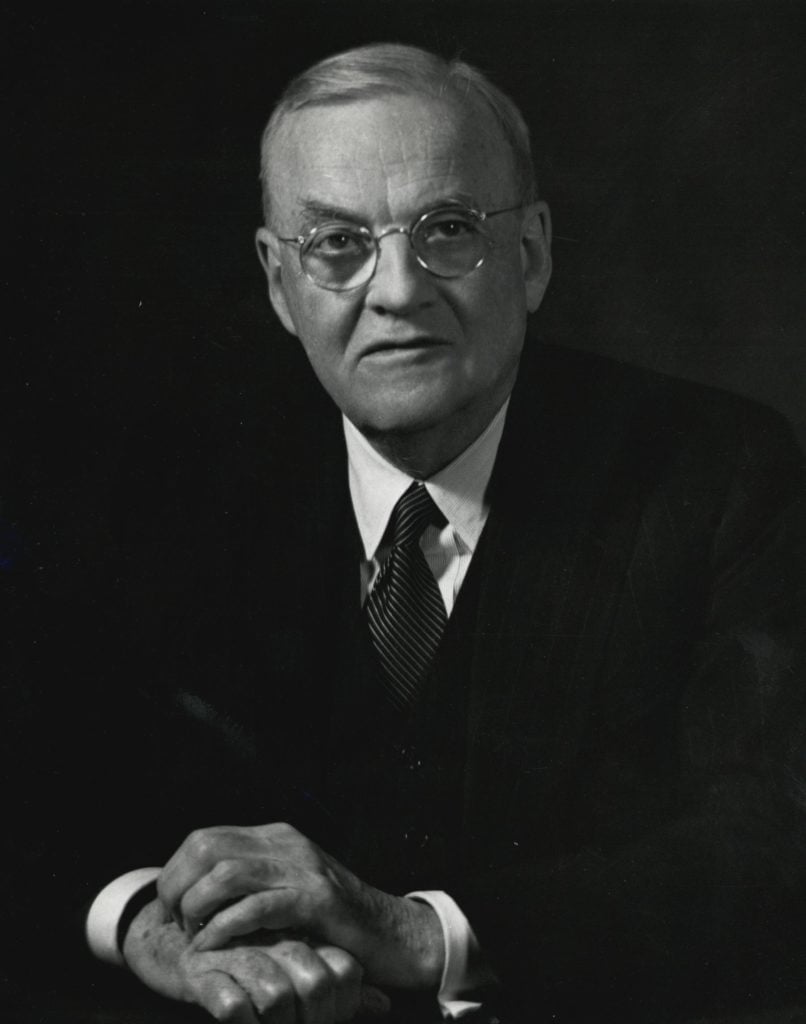
The main achievement of the YMCA secretary, founder of the World Council of Churches, and Protestant preacher John Mott was the introduction of the term "ecumenism" into intellectual circulation. This term denoted a striving for confessional unity among all humanity in the spirit of religious liberalism favoured by Protestants. In reality, however, the aim was the pursuit of quite specific political objectives.
In the summer of 1917, John Mott’s personal secretary, Paul Anderson (1894–1985), arrived in Russia. At that time, the Provisional Government, which was under strong American influence, granted YMCA representatives the most favourable conditions. The situation changed after the October Revolution, when Anderson was arrested by the Cheka and expelled from the country. Soon thereafter, the Soviet authorities shut down all YMCA structures in Russia, prompting the organisation to redirect its efforts toward the Russian émigré community, establishing the Russian Student Christian Movement and the YMCA-Press publishing house in the early 1920s.
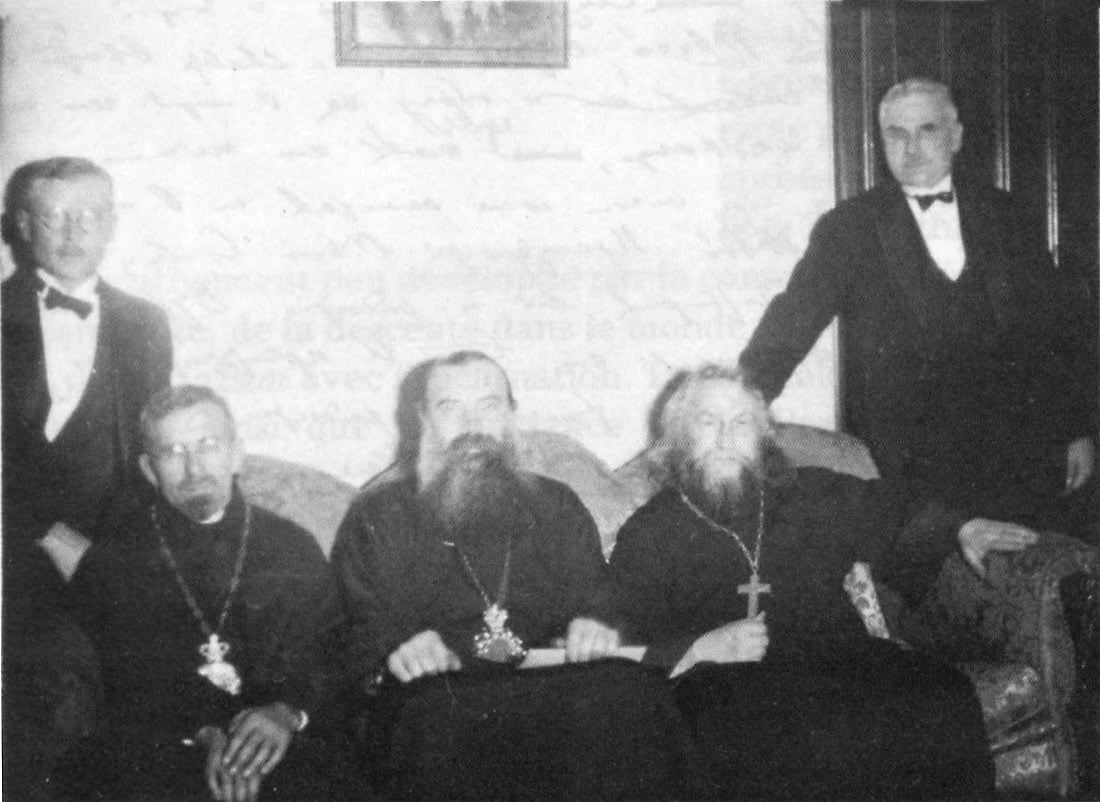
It was the YMCA-Press publishing house, first in Prague and Berlin, and later in Paris, that drew together the intellectual core of the White émigré community. In addition to the publishing house, the Religious-Philosophical Academy and the St. Sergius Orthodox Theological Institute received funding from the same source. Paul Anderson wrote that, at that time, the Russian service of the YMCA had funds at its disposal for practically any project that could be implemented within the anti-Soviet milieu of the émigré community. Later, during the Cold War, both “August 1914” and “The Gulag Archipelago” by Alexander Solzhenitsyn would be published for the first time by YMCA-Press.