Protecting the Sovereignty of the Russian State. History and the Present

Foreign espionage

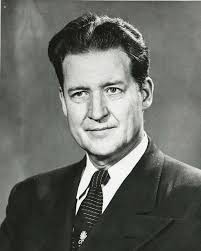
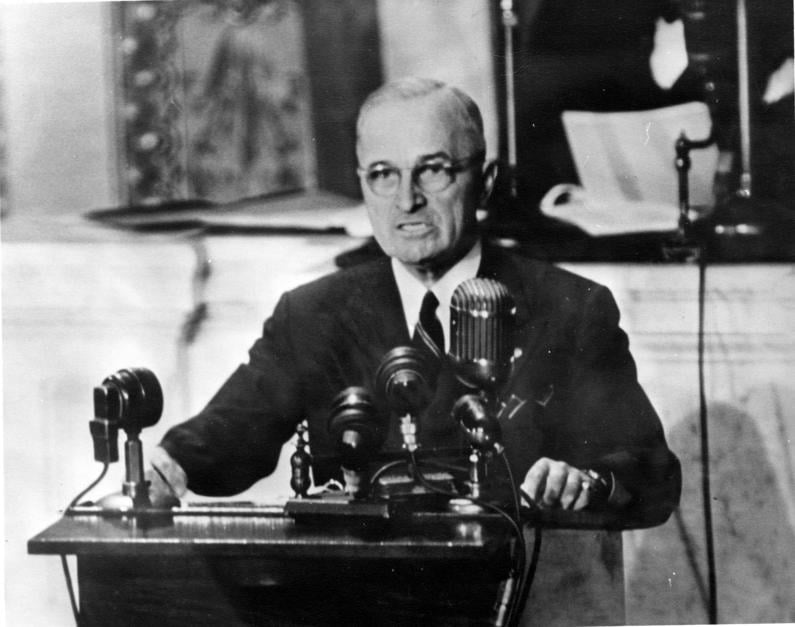
In March 1947, US President Truman delivered a speech laying out the doctrine of the "containment" of communism. With a guaranteed impossibility of winning a nuclear conflict, sabotage and espionage remained the main tools of confrontation. To this end, in 1951 the US Congress passed the Mutual Security Act, which was supplemented by the so-called Kersten Amendment, allocating $100 million by Congress for sabotage work against socialist countries. Justifying his proposal, Congressman Charles Kersten did not hide its aggressive goals: "My amendment provides for the possibility of rendering assistance to underground organizations that may already exist in these countries or may emerge in them...".

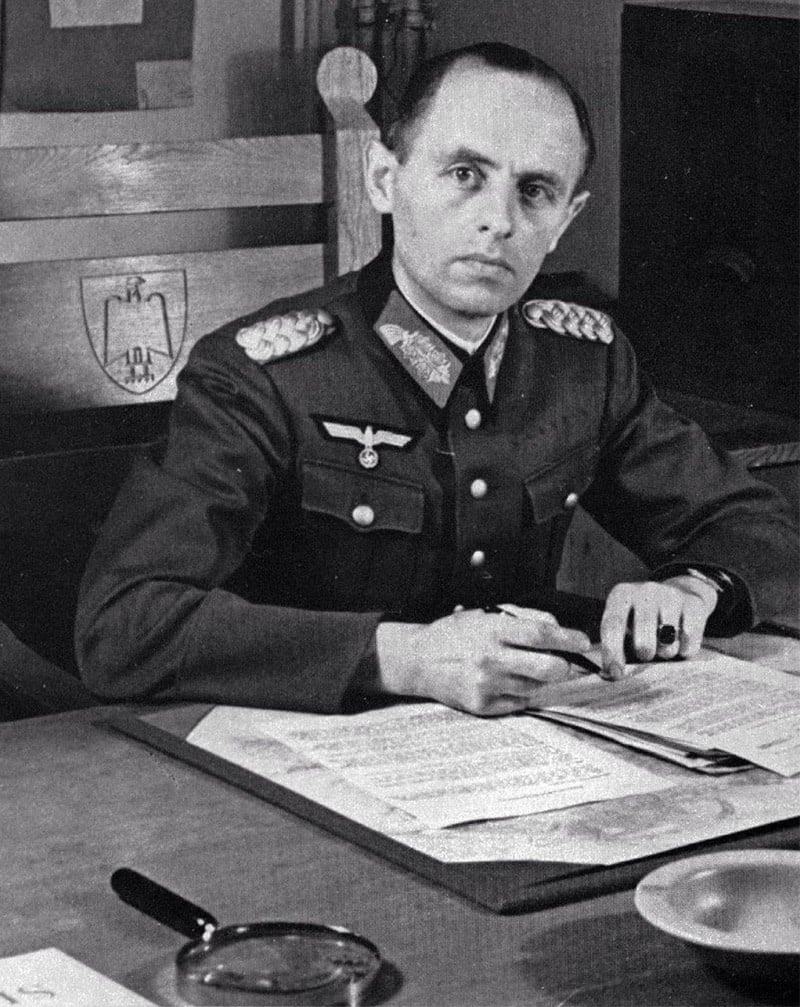
With the arrival of Allen Dulles at the Central Intelligence Agency, operations to infiltrate illegal agents into the territory of the USSR sharply intensified. The Americans were assisted by an experienced specialist on Russia, the head of West German intelligence and former lieutenant general of the Wehrmacht, Reinhard Gehlen. On September 25, 1951, a transport aircraft was shot down in the skies over the Moldavian SSR, which had shortly before dropped a parachutist. He turned out to be Konstantin Khmelnitsky, a collaborator who, after the surrender of Germany, had entered American intelligence and sabotage training school.

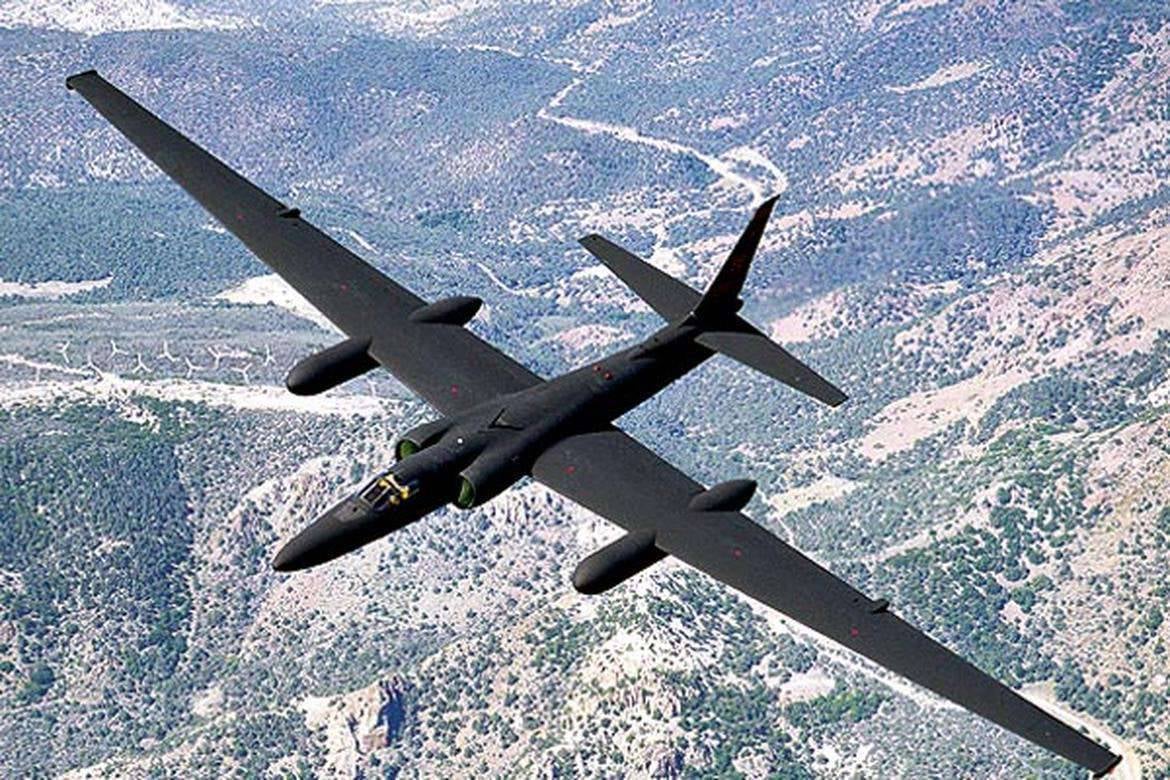
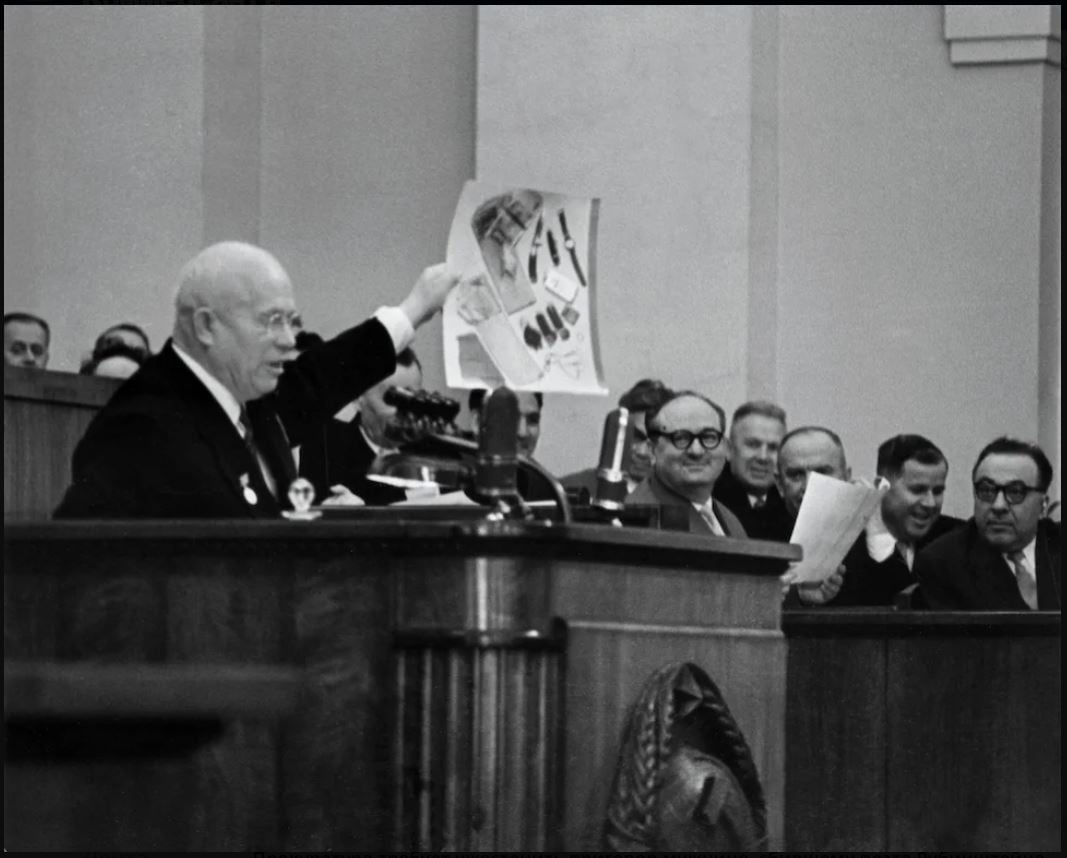
No less of a sensation was caused by the report of the interception on 1 May 1960 in the skies over Sverdlovsk of an American Lockheed U-2 spy plane carrying out a reconnaissance flight over Soviet territory. Unexpectedly for his handlers, pilot Francis Gary Powers survived and was captured by Soviet counterintelligence. It emerged that the USA had begun conducting such reconnaissance flights as early as 1956. Over that period U-2 aircraft violated Soviet airspace at least 20 times.

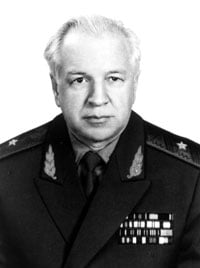
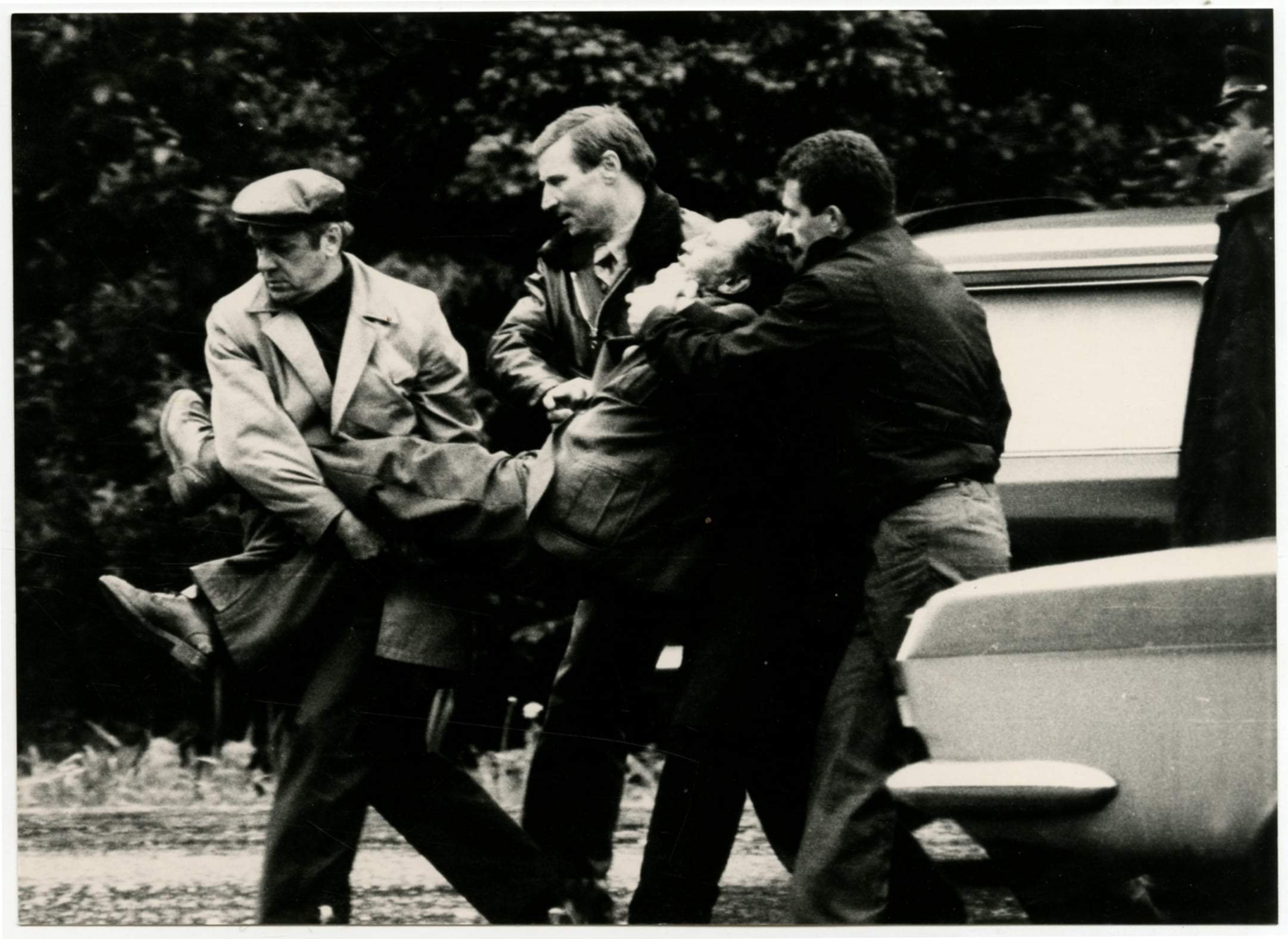
Unfortunately, not all Western intelligence operations could be thwarted as dramatically and quickly. For example, significant harm to the Soviet Union was caused by the activities of the Second Secretary of the US Embassy Paul Stombaugh, who became the handler of Adolf Tolkachev – a leading designer at the secret radar bureau NIIR “Phazotron,” who had been recruited by the Americans. The traitor handed over more than 50 unique Soviet military-industrial complex developments to the enemy. Ultimately, this spy network was uncovered by the outstanding Soviet counterintelligence officer Rem Krasilnikov.
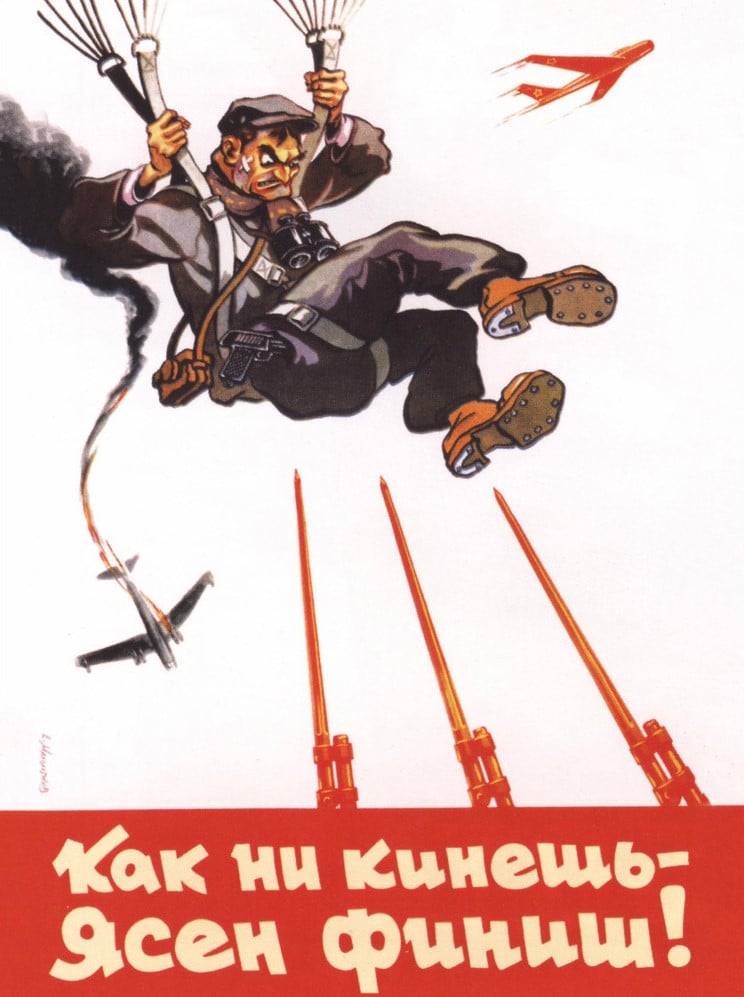
Caricature “However You Throw, the Outcome Is Clear!” Artist: E. S. Maloletkov. 1954
US President H. Truman addressing Congress. 12 March 1947
Charles Kersten, a Republican member of the US House of Representatives. Founder and chairman of an anti-Soviet congressional committee. Mid-20th century
Reinhard Gehlen, a Wehrmacht lieutenant general, head of the intelligence and analytical department Foreign Armies East, and founder and first head of West Germany's foreign intelligence service (BND). 1943
An American U-2 reconnaissance aircraft on a test flight. The first aircraft of this type was built by Lockheed Martin in July 1955 with the authorisation of President D. Eisenhower and CIA Director A. Dulles
N. S. Khrushchev showing deputies of the Supreme Soviet of the USSR photographs of items seized from the American pilot Powers upon his arrest. Moscow, 7 May 1960. Photographer: A. Gostev, Ogonyok magazine photo archive. “In addition to his own watch, he was given two more gold watches and seven women's gold rings for the journey. Why did he need all this in the upper atmosphere?”
Rem Sergeyevich Krasilnikov, a major general of state security and a distinguished Soviet counterintelligence officer. Late 20th century
The arrest of the traitor Adolf Tolkachev. 9 June 1985
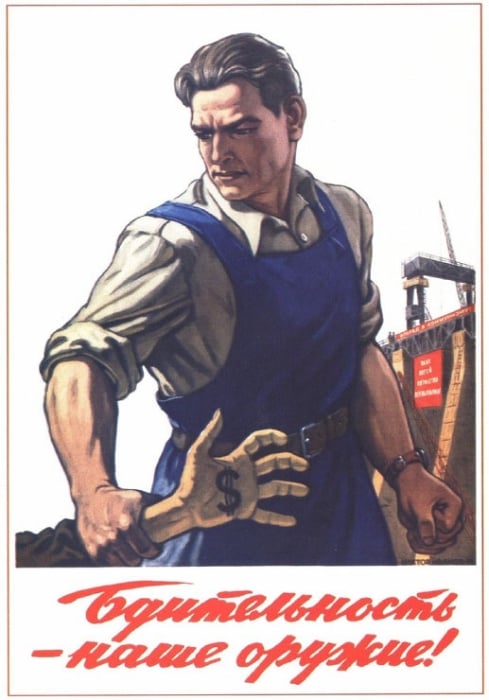
“Vigilance Is Our Weapon.” Artist: V. Ivanov, 1953
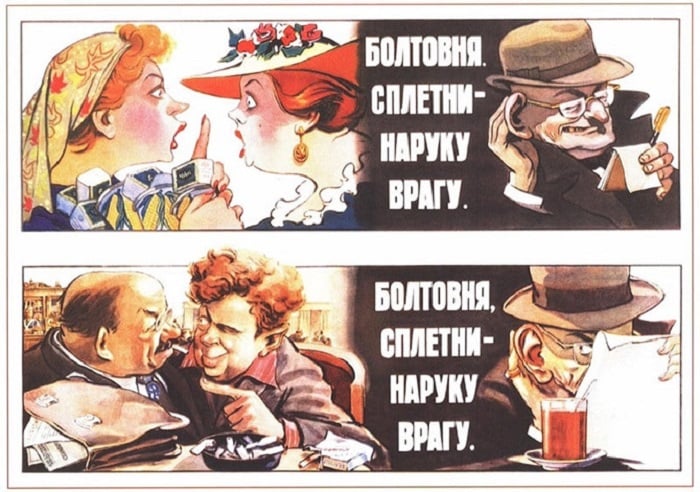
“Idle Talk and Gossip Help the Enemy.” Artists: K. K. Ivanov and V. M. Briskin, 1954