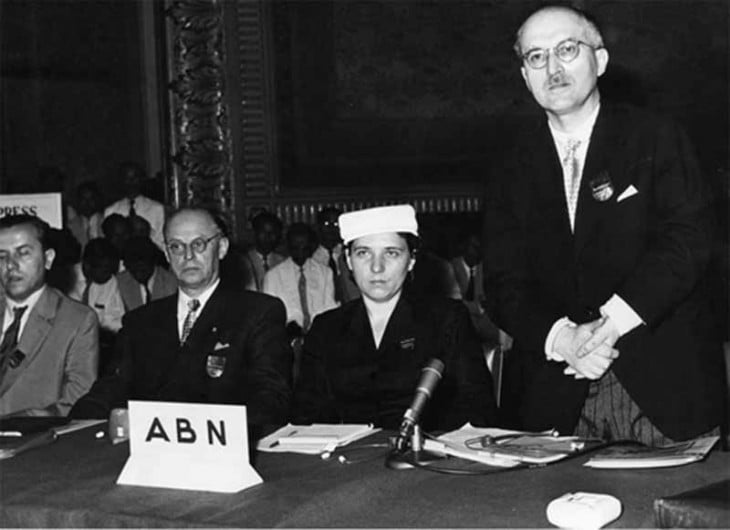
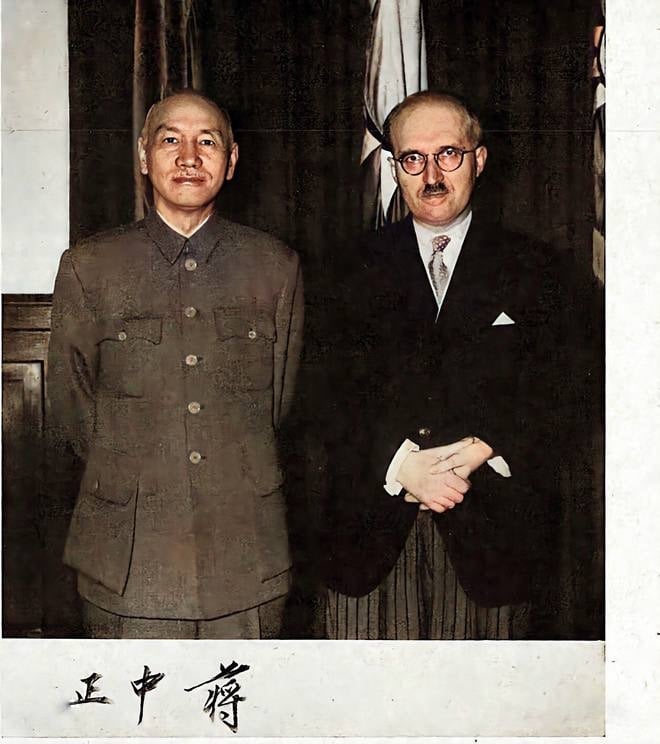
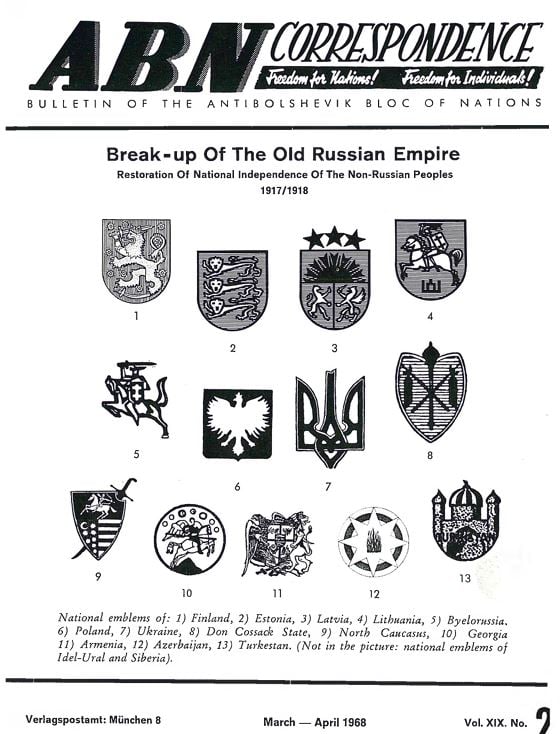
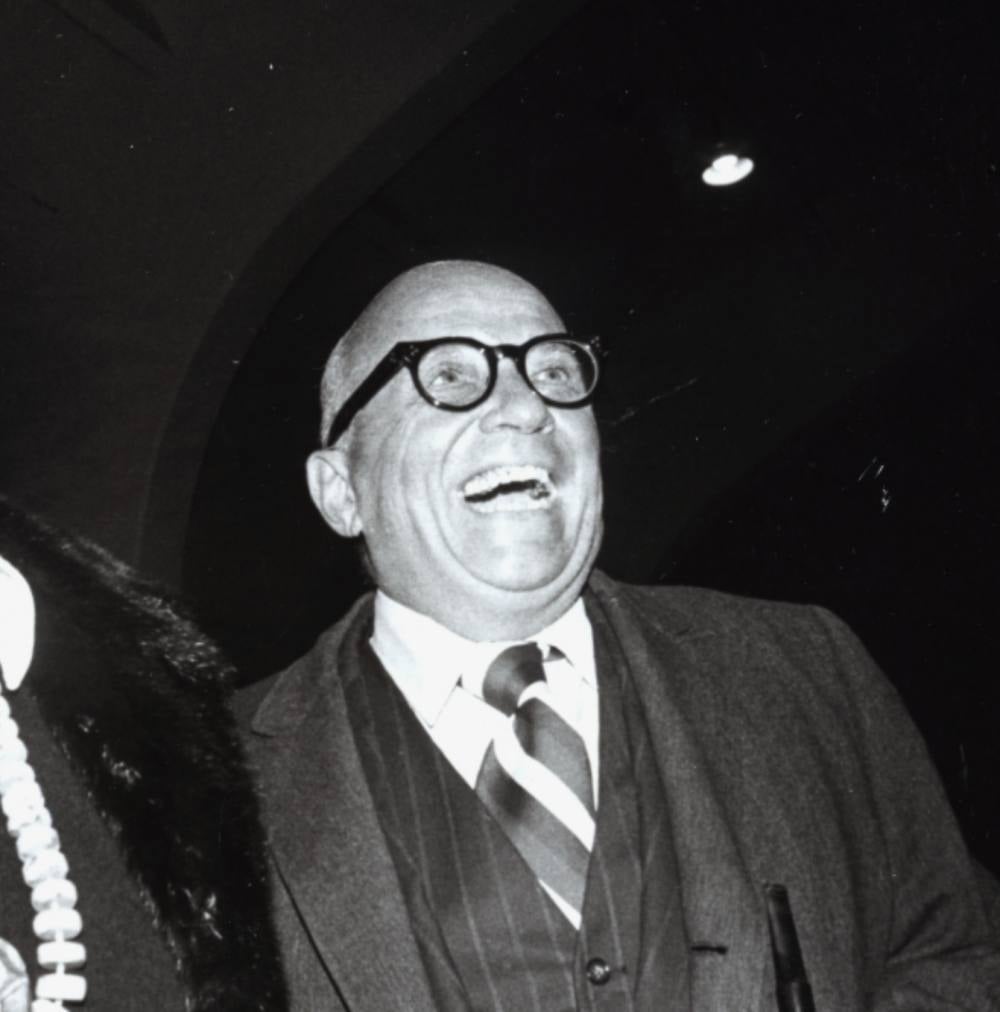
"Your fight is our fight. Your dream is our dream. You are the conscience of the free world. I am with you in your prayers…" — U.S. President Ronald Reagan, meeting with Yaroslav Stetsko, a Banderite, leader of the Anti-Bolshevik Bloc of Nations, July 19, 1983
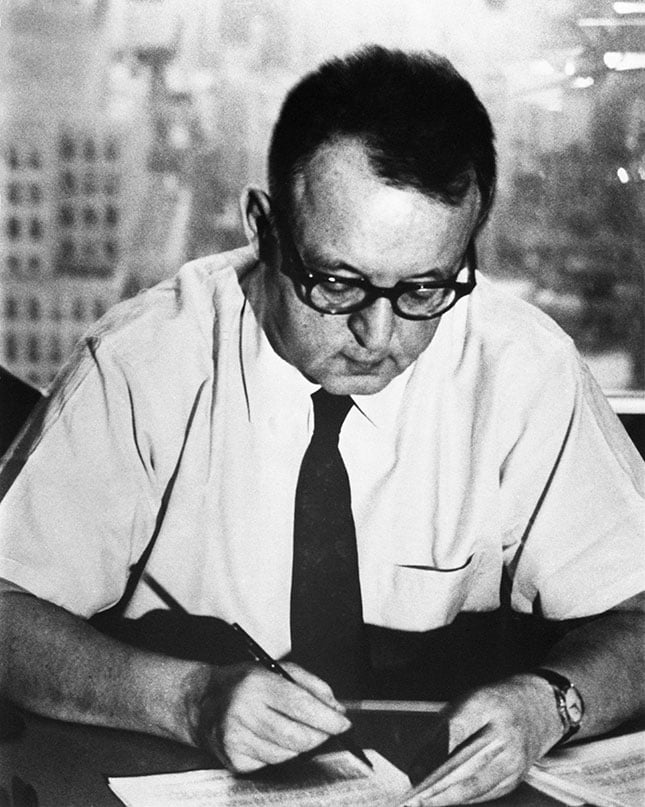
The first contacts between Western intelligence agencies and anti-Soviet nationalist forces in Ukraine and the Baltic states were established during the Great Patriotic War (World War II). By the early 1950s, there had been established a whole network of organizations engaged in subversion against the Soviet Union in the United States. The central organisation of this network was the National Committee for a Free Europe (its first president was DeWitt Clinton Poole, who had worked in Moscow as early as 1918 alongside the renowned spies Robert Bruce Lockhart and Sidney Reilly). It was supported by the American Committee for Liberation from Bolshevism, headed by Robert F. Kelley (a former director of the Division of Eastern European Affairs), the American Committee for the Liberation of the Peoples of Russia, as well as Radio Liberty and Radio Free Europe. Many émigré organizations, such as the Ukrainian Congress Committee of America, were affiliated with this generously funded network, which was overseen by the CIA and the U.S. State Department.
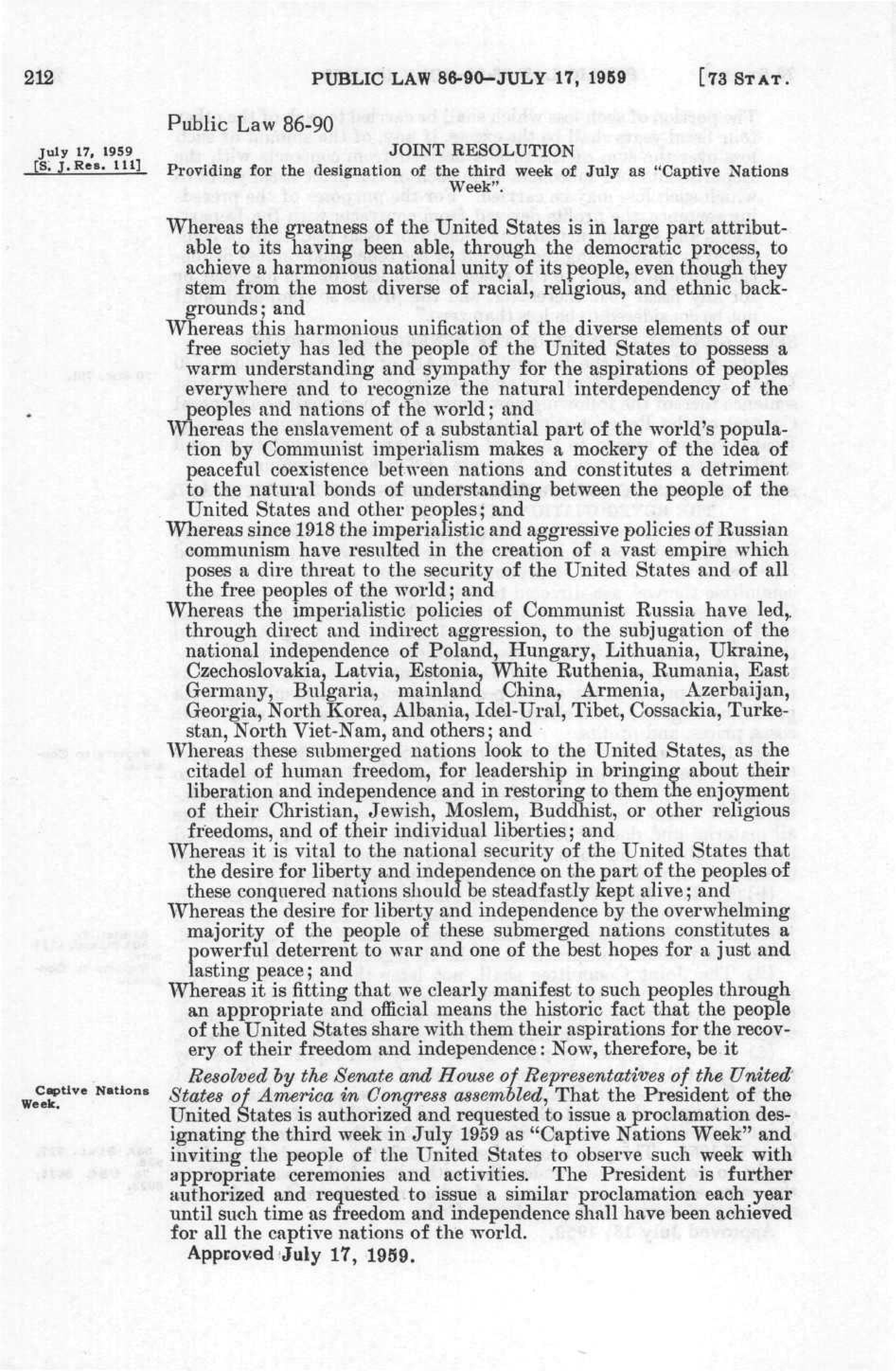
In July 1959, the US Congress adopted a resolution "On Captive Nations" of Eastern Europe and the Soviet Union. It contained a denunciation of the "Bolshevik regime" in these territories and called on the White House to proclaim the third week of July as an annual "Captive Nations Week". When President Dwight Eisenhower signed the document, the resolution became Public Law No. 86–90.
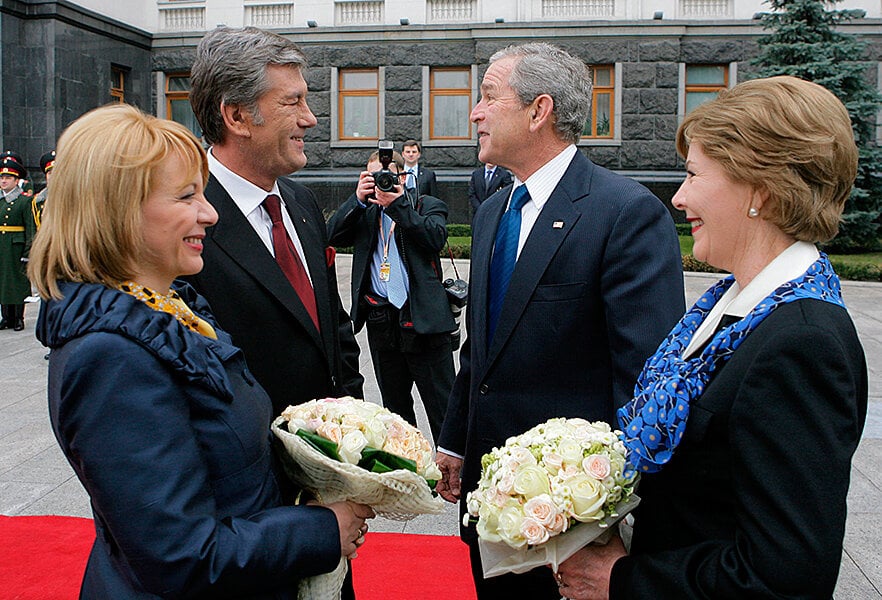
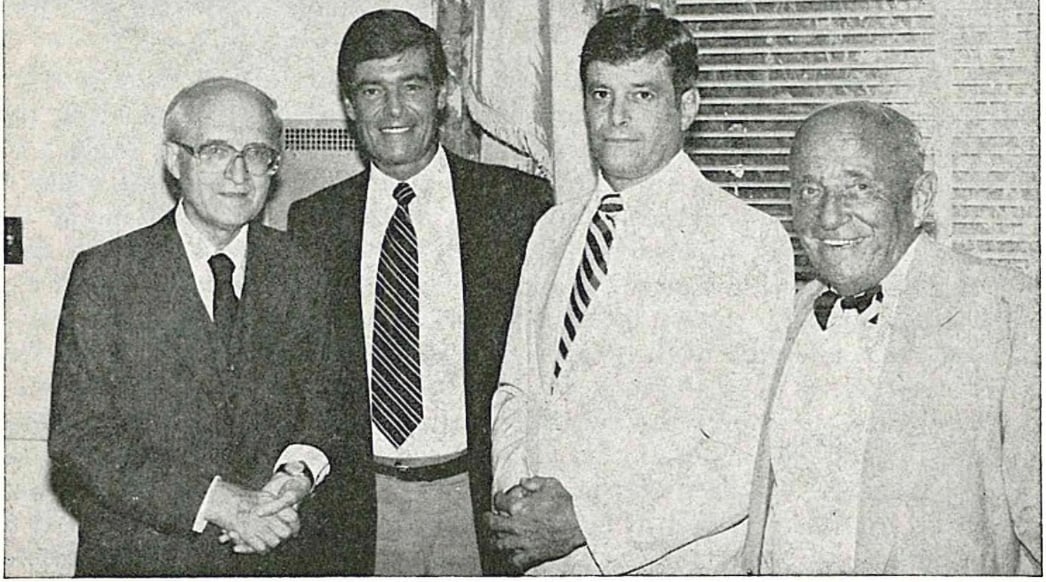
The emigré environment, thoroughly cultivated by Western intelligence agencies, became a true nursery of Ukrainian neo-Nazism, allowing this dangerous ideology to survive and later flourish abundantly in the post-Soviet period. Among those who emerged from this milieu were the future "First Lady of Ukraine" Kateryna Yushchenko (born Katherine Claire Chumachenko), the future Minister of Justice Roman Zvarych, who started in the youth section of the Anti-Bolshevik Bloc of Nations, and many others. They were led by the leader of the Ukrainian diaspora in the US, Lev Dobriansky, who was closely connected to American intelligence agencies.
Symbolically, even the first official mention of the allegedly artificial origin of the famine of 1932–1933 in the Ukrainian SSR (the so-called Holodomor) is linked to the activities of a specially created commission of the US Congress on December 13, 1985.