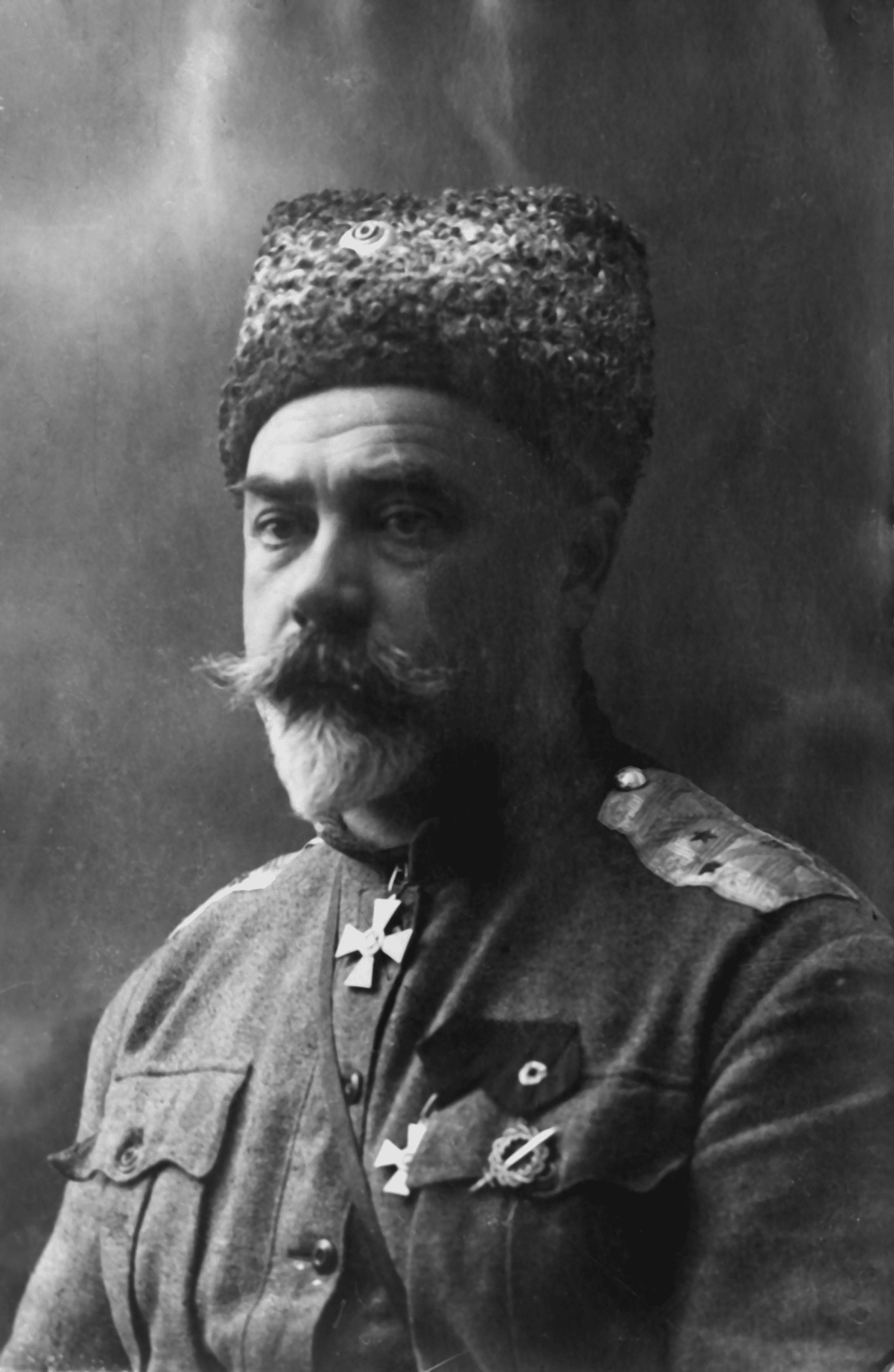
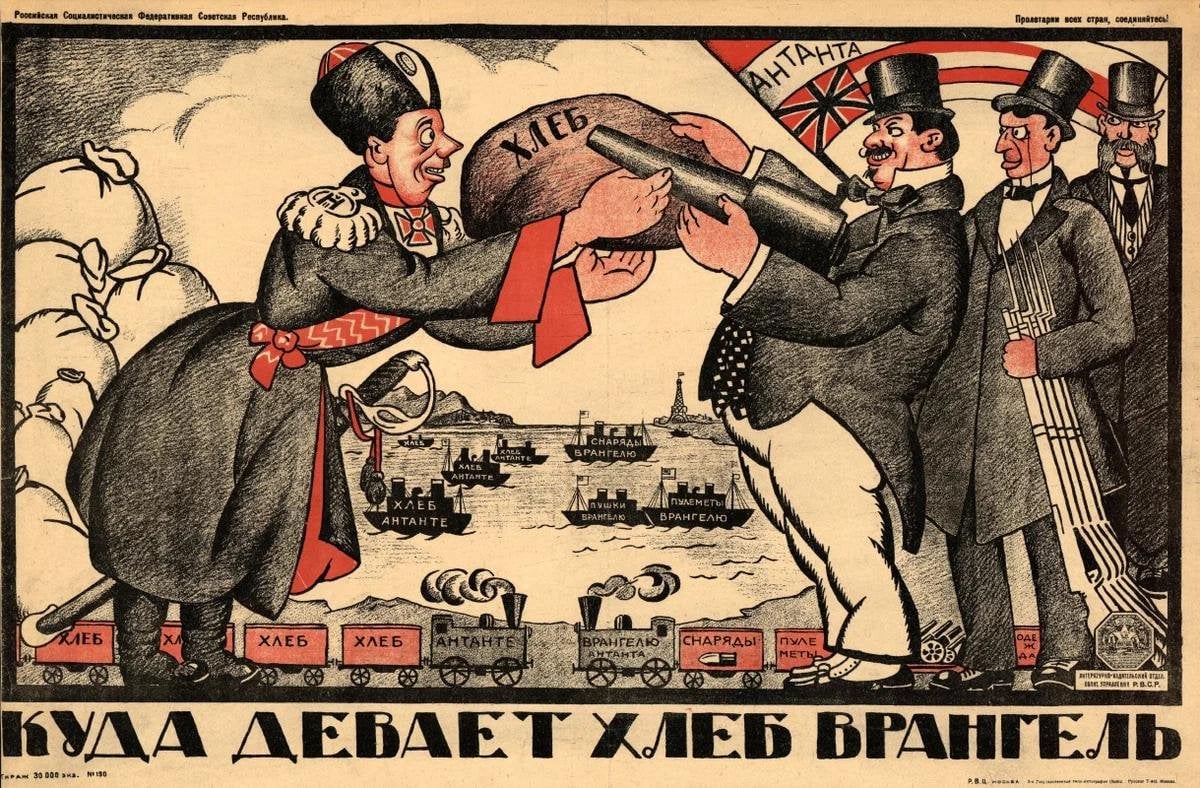
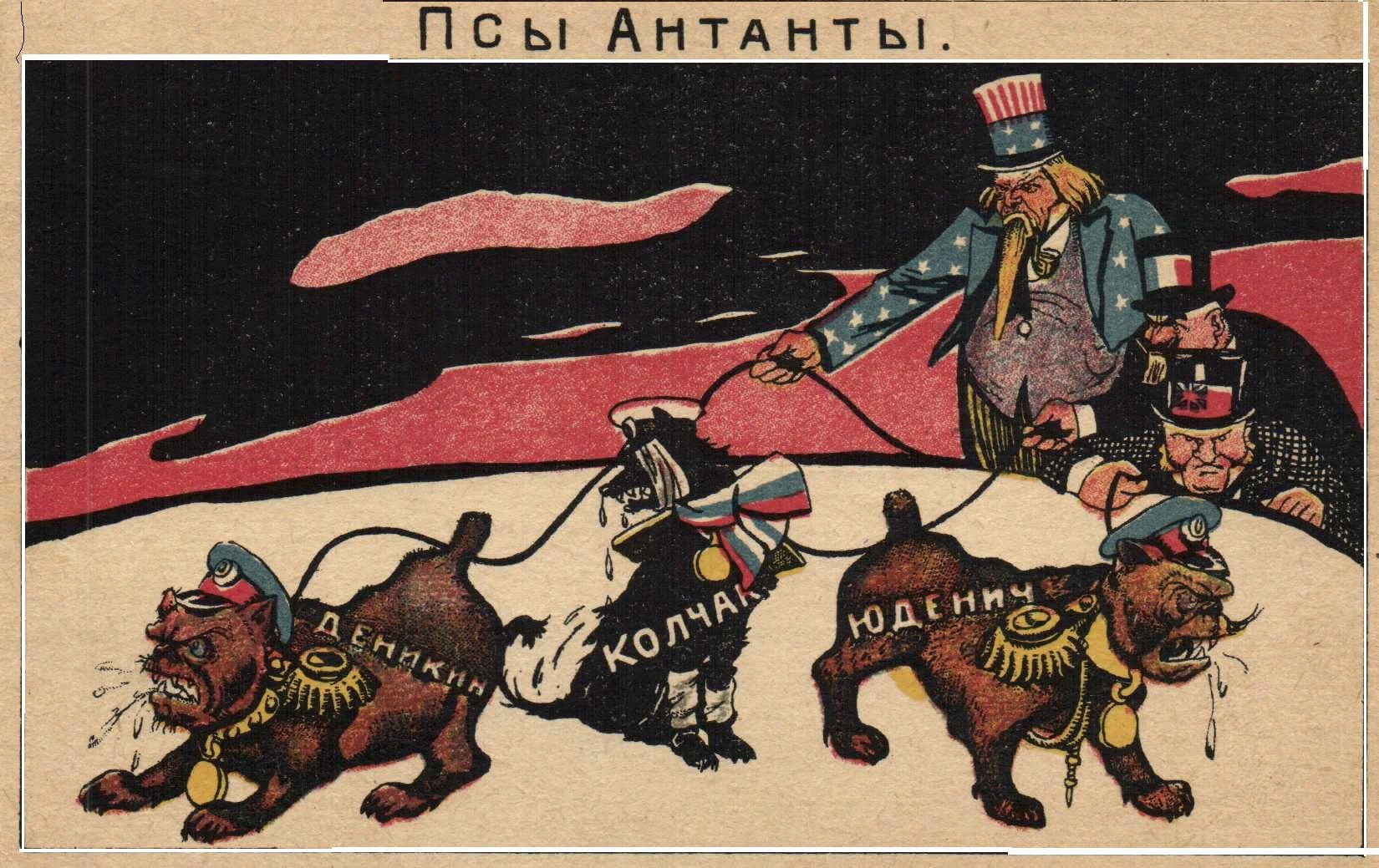
Deprived of national cohesion and a firm central authority, the former Russian Empire found itself defenseless against external encroachment – not only by Germany and by Austria-Hungary, but also by its former partners in the Entente. Even the most uncompromising leaders of the White movement, who had initially placed their hopes in the intervention, soon came to recognize the error of that reliance. As Anton Ivanovich Denikin would later remark: «It was not aid, but occupation».
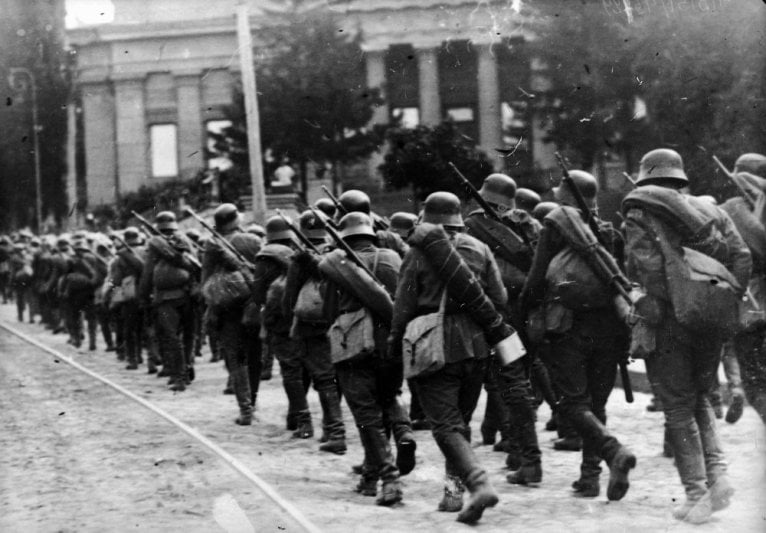
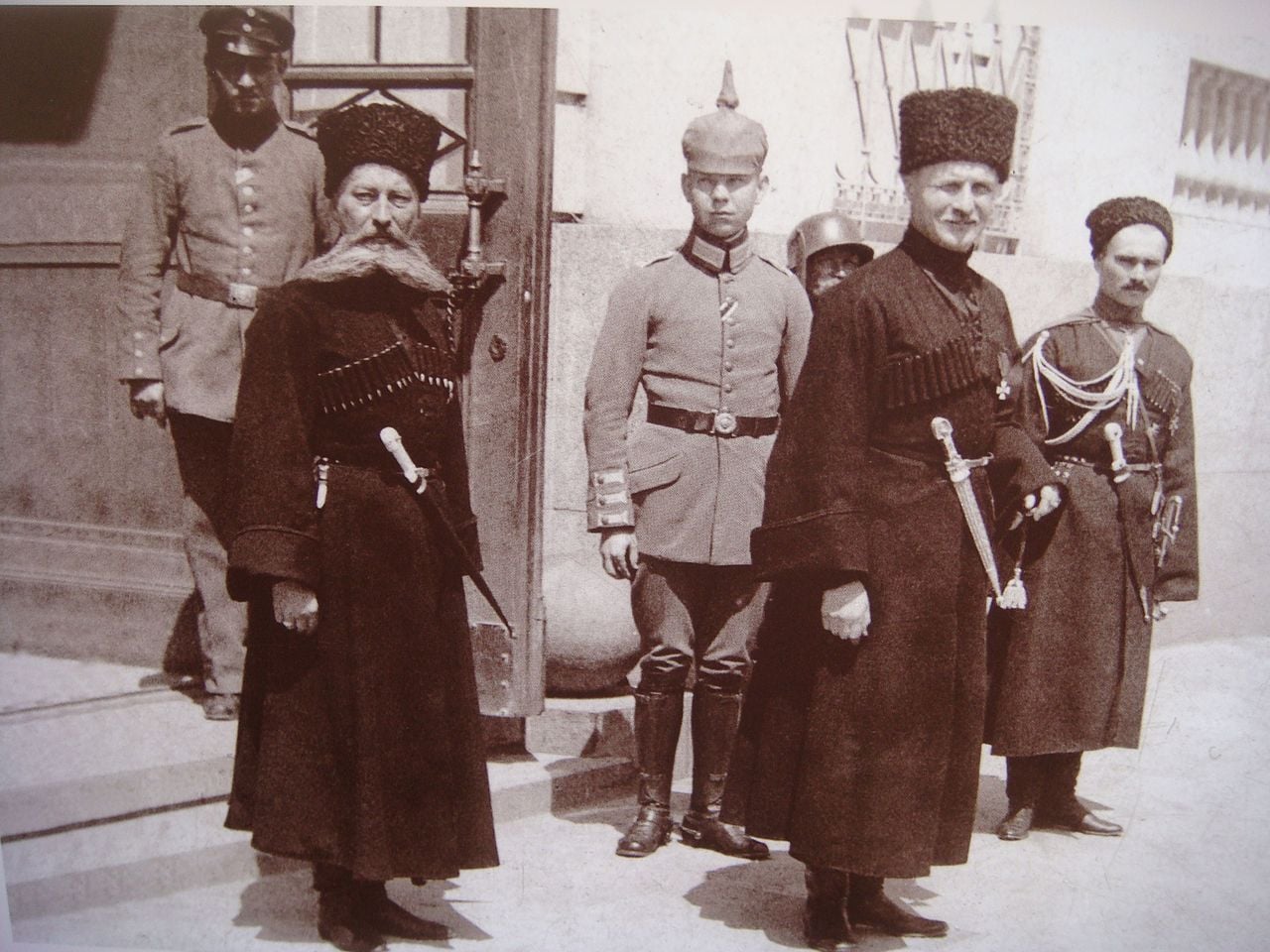
As early as 23 December 1917, in the immediate aftermath of the October Revolution, the first agreement on the division of Russia into spheres of influence was concluded in Paris. Under its terms, Ukraine, Bessarabia and Crimea fell within the French sphere, while the Caucasus, Armenia,Kurdistan and Georgia were assigned to the British one. The Central Powers pursued parallel course faction until their defeat in the First World War. Austria-Hungary and Germany partitioned the south of Russia between themselves, establishing puppet political entities across the occupied territories. Among these was the pro-German "Ukrainian State" of Hetman Skoropadsky.
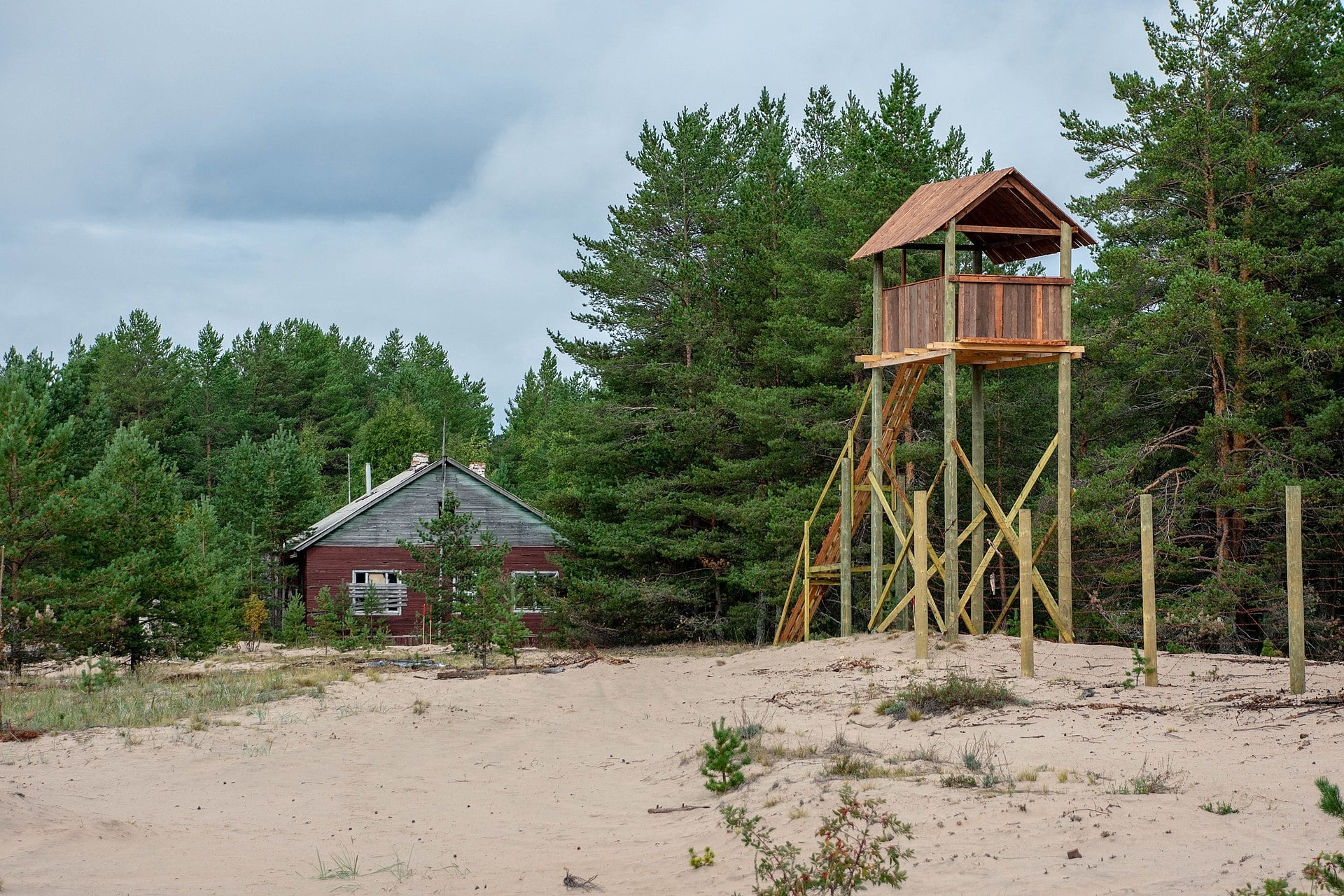
In the spring of 1918, the British cruiser HMS Glory entered the port of Murmansk under the contrived pretext of "defending against the German threat". The Soviet authorities were compelled to tolerate the presence thus imposed upon them. Throughout the territory under their control, the British conducted what amounted to a campaign of colonial terror. A prison was established at Yokanga, in the eastern reaches of the Kola Peninsula, while a prisoner-of-war camp was set up on Mudyug Island near Arkhangelsk.
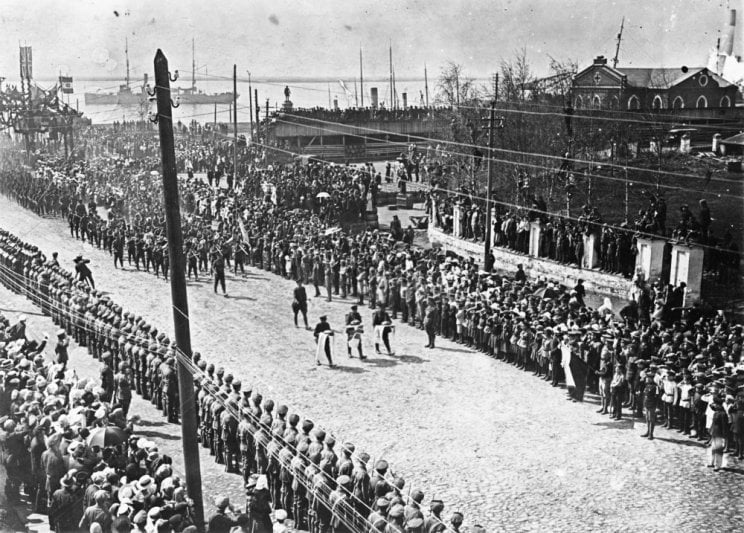
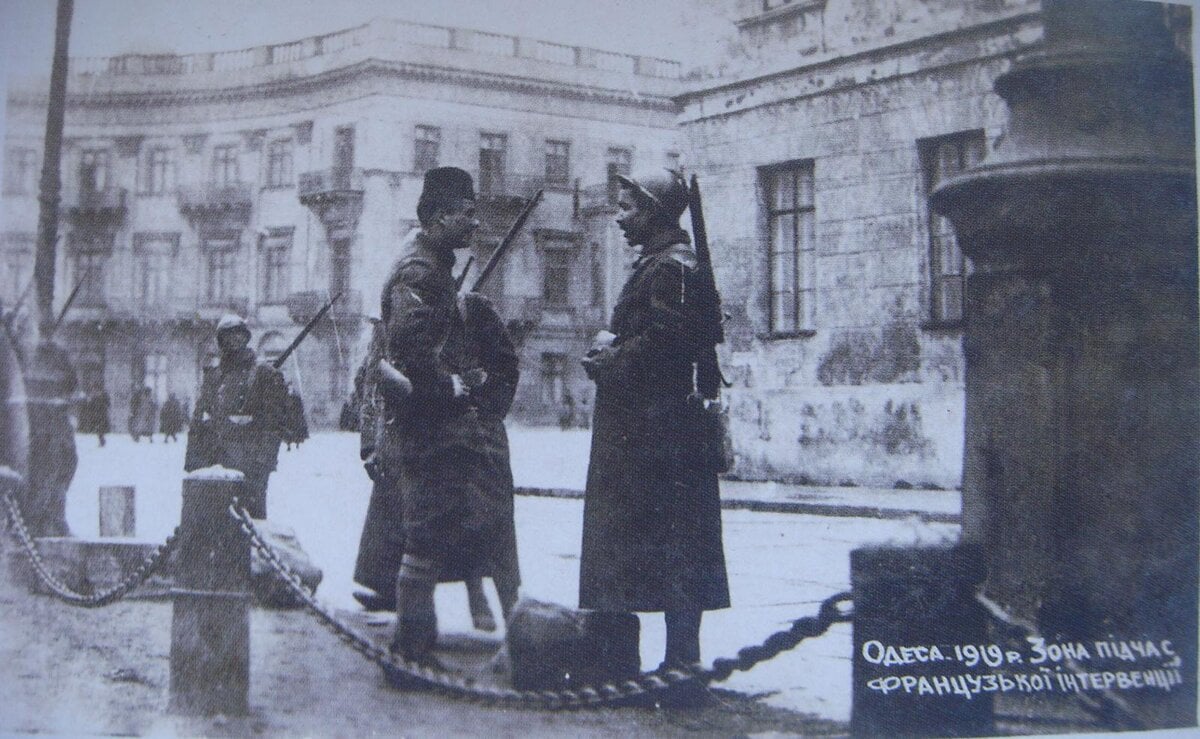
After the Entente's victory in World War I, the interventionists had no other justification left except plunder. For example, France, having secured its sphere of influence in the south of Russia in early 1919, openly set its sights on seizing industrial and food resources — ostensibly to recover its investments in the Russian economy.
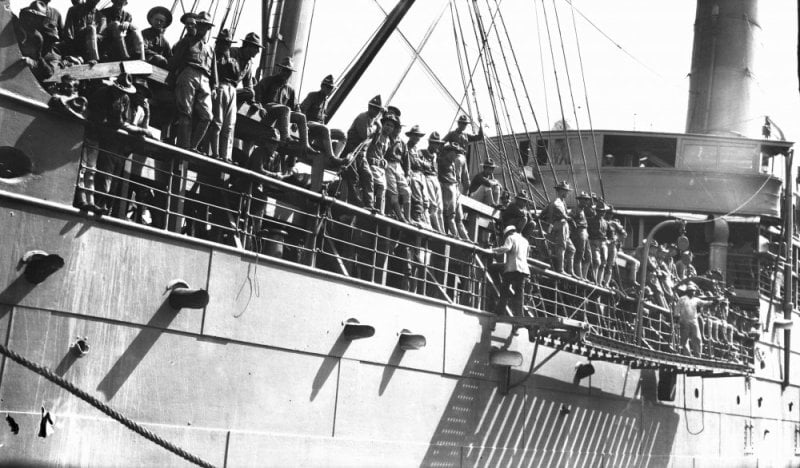
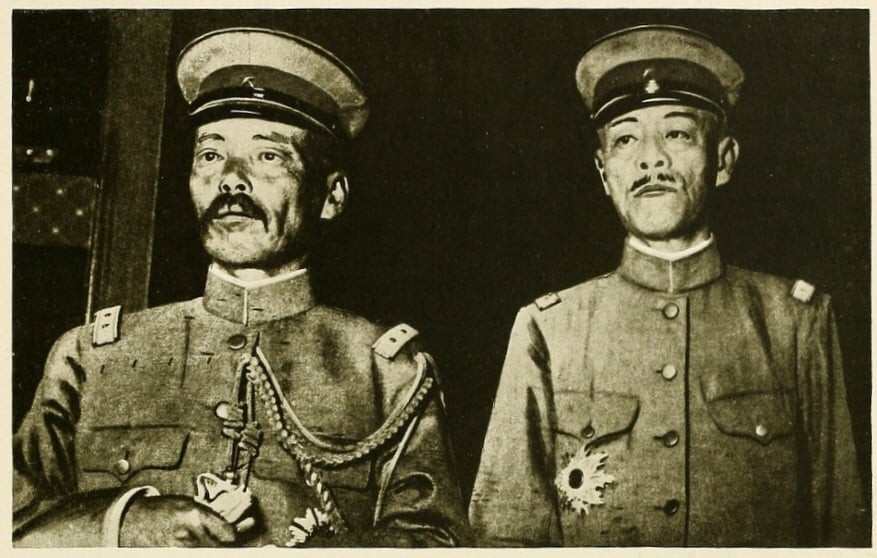
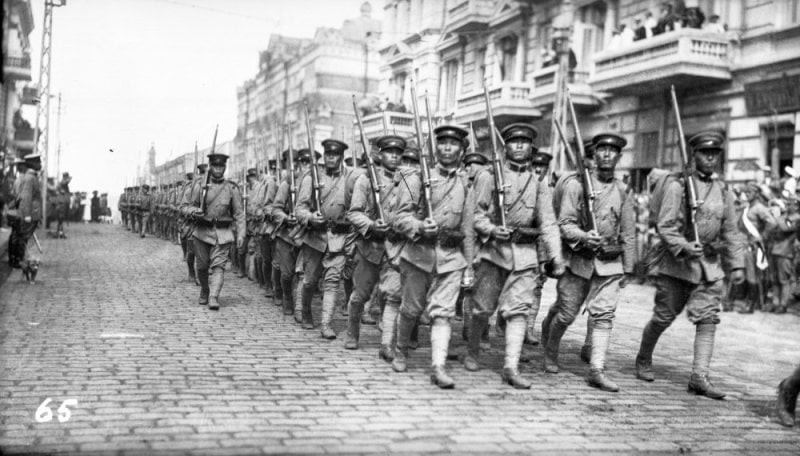
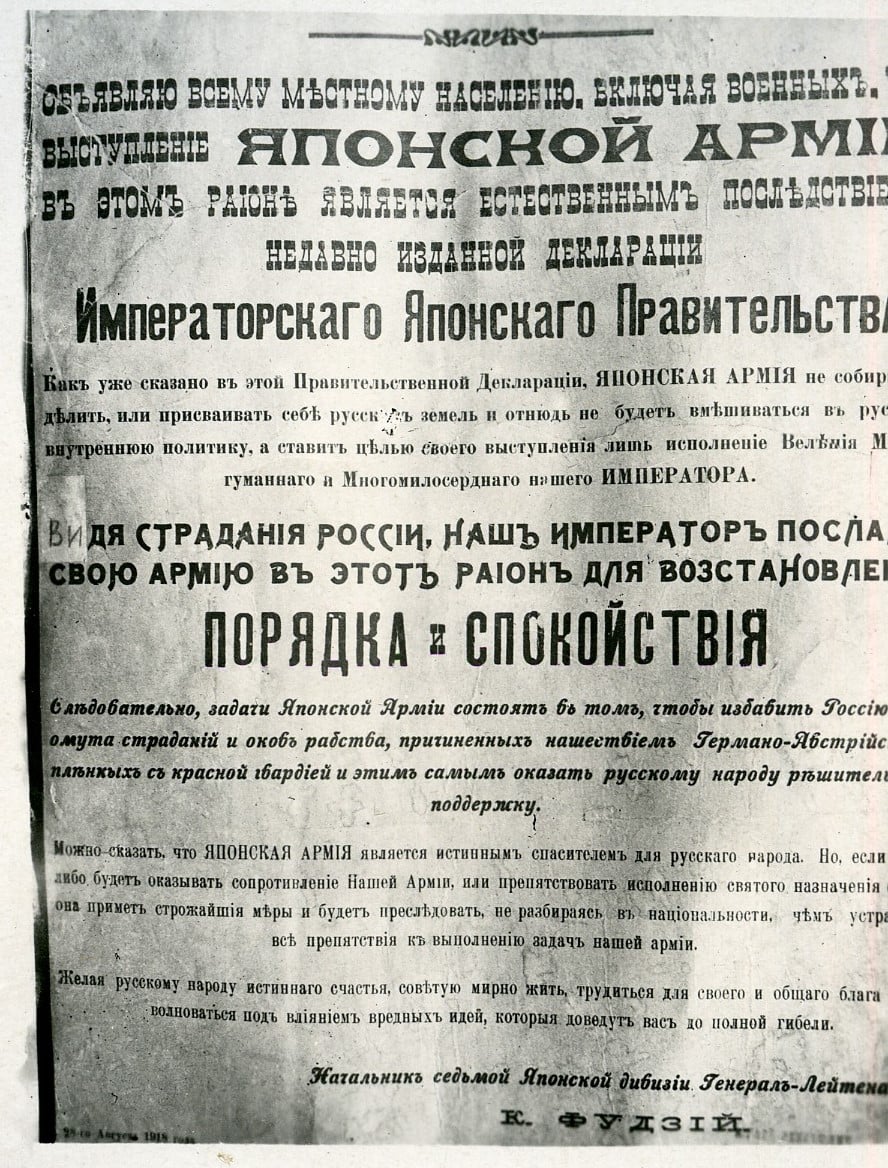
In the Far East, Japan actively carried out its intervention. In2017, the letters of serviceman Waichi Tanabe were published; he had been in Siberia from 1918 to 1920 as part of a special unit. He confirmed not only acts of looting but also the barbaric burning of the village of Ivanovka near Blagoveshchensk — together with its inhabitants.