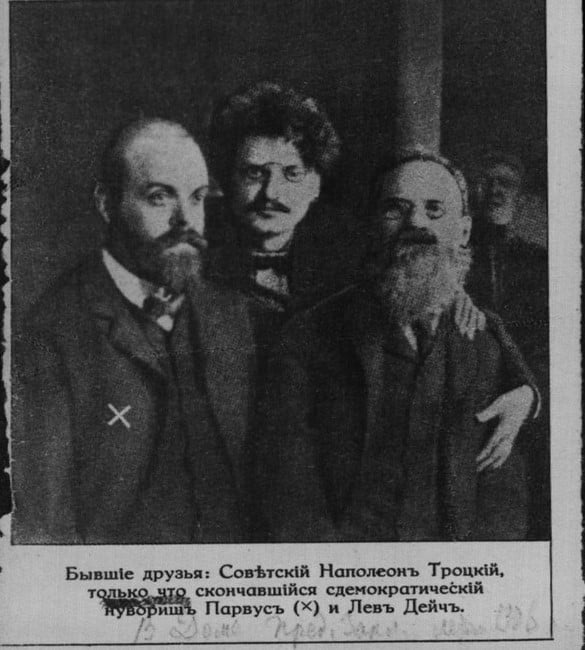
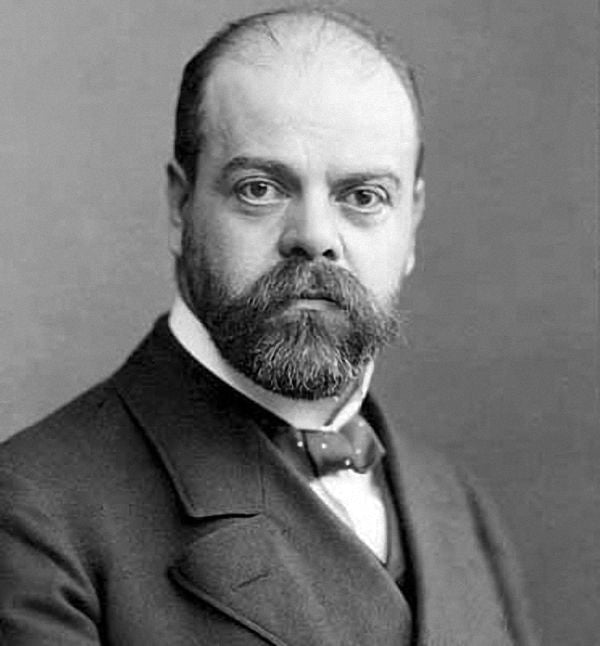
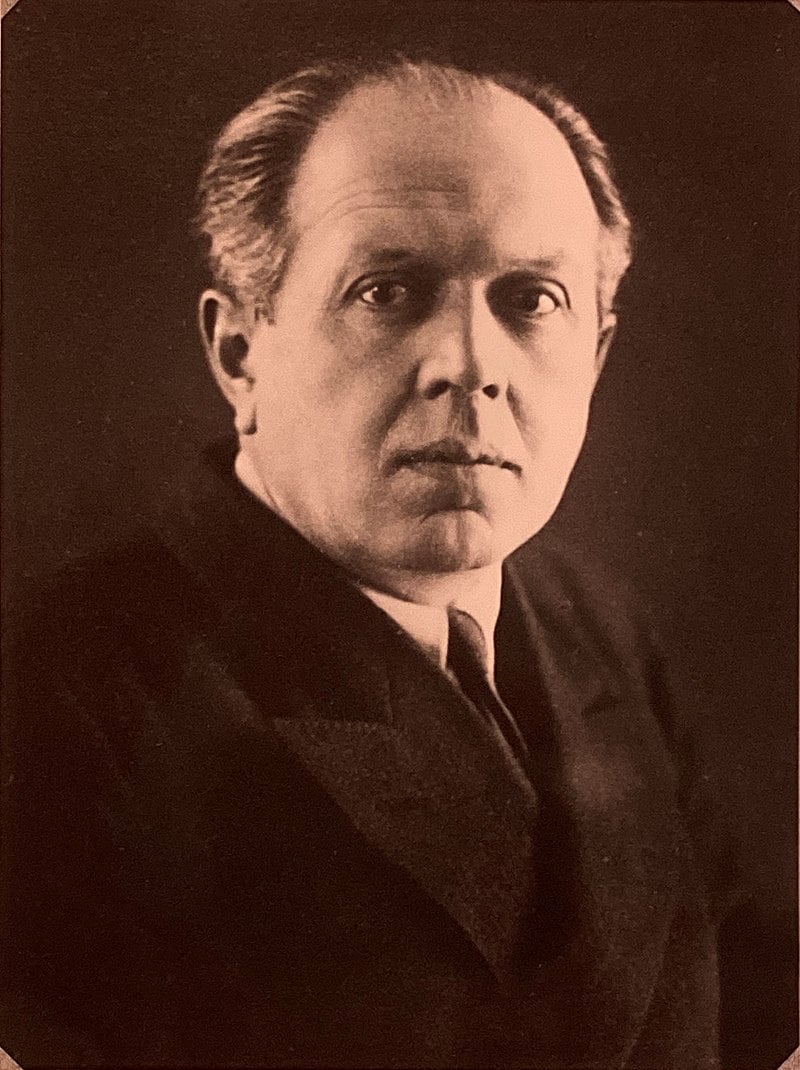
The first to write about Israel Lazarevich Gelfand (Alexander Parvus) were British historians Zbyněk Zeman and Winfried Scharlau; however, their book Parvus: Merchant of Revolution (1964) is marked by clear ideological bias.
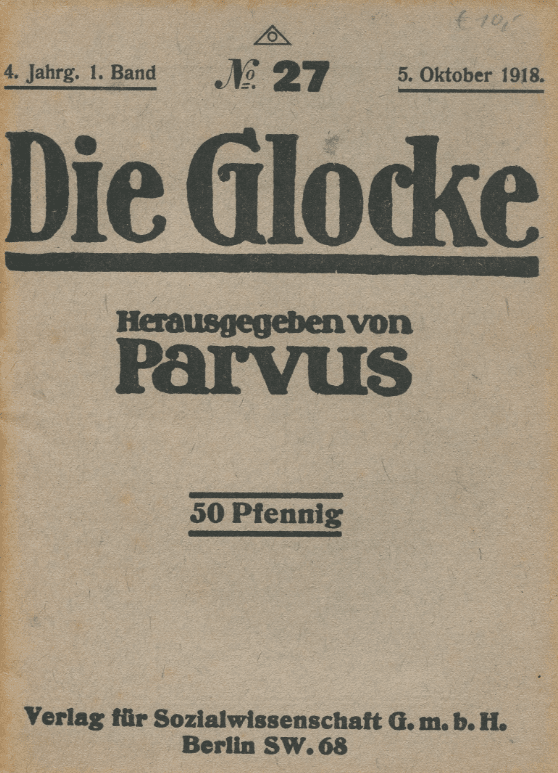
It is a matter of record that the collaboration between the Social Democrat Parvus and the German government began in January 1915, when he met with the German Ambassador in Istanbul and outlined a plan to bring about Russia’s withdrawal from the war by instigating a revolution. In Berlin, the initiative was received with interest. By March of that year, Parvus had submitted a 20-page memorandum to the German Foreign Ministry, which came to be known as the “Parvus Memorandum.” To implement his plan, Parvus requested five million marks. The German Foreign Ministry, however, allocated only one million. With these funds, Parvus began publishing the magazine “Kolokol” (”The Bell”) in Munich and later established the “Institute for the Study of the World War” in Copenhagen.
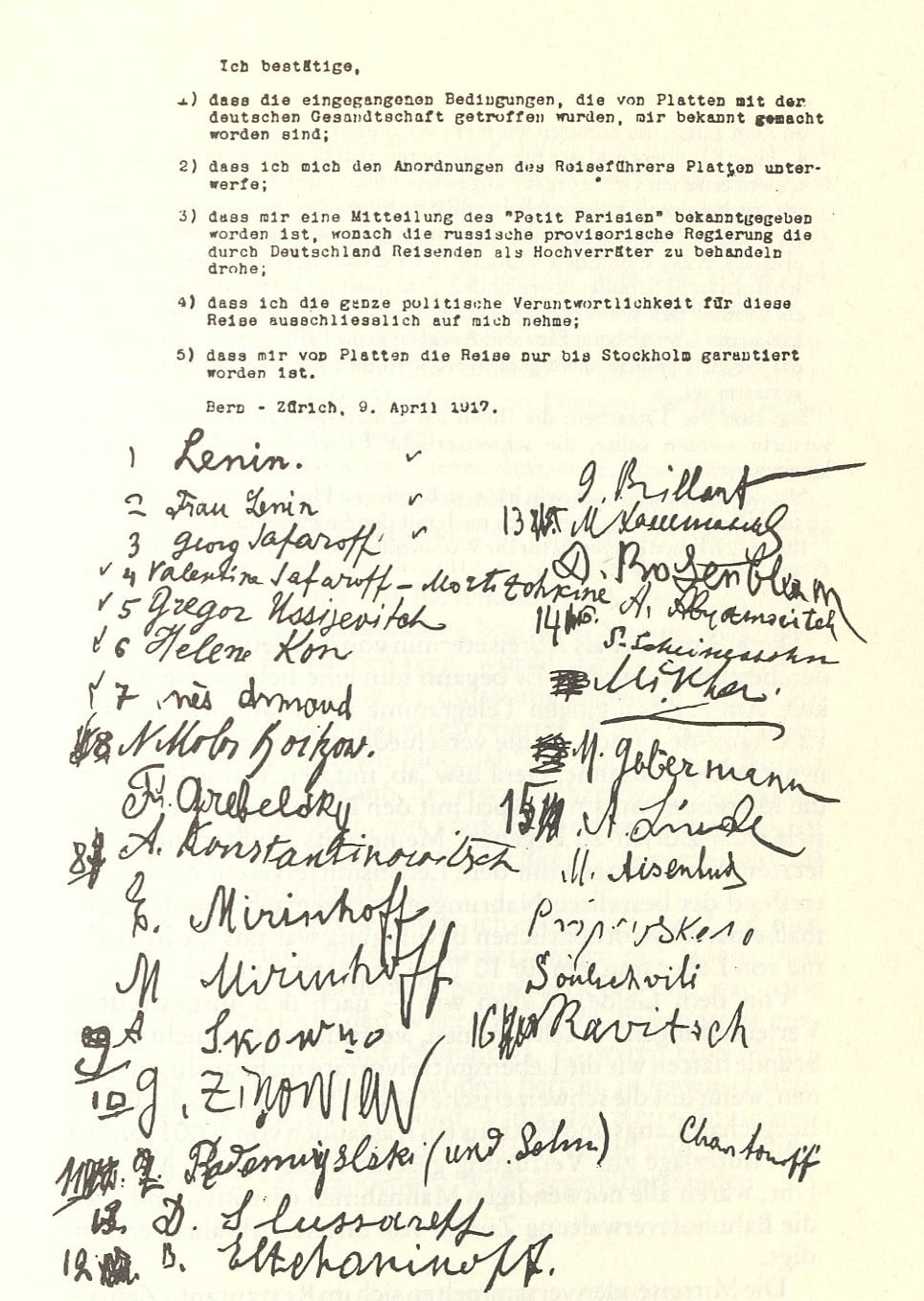
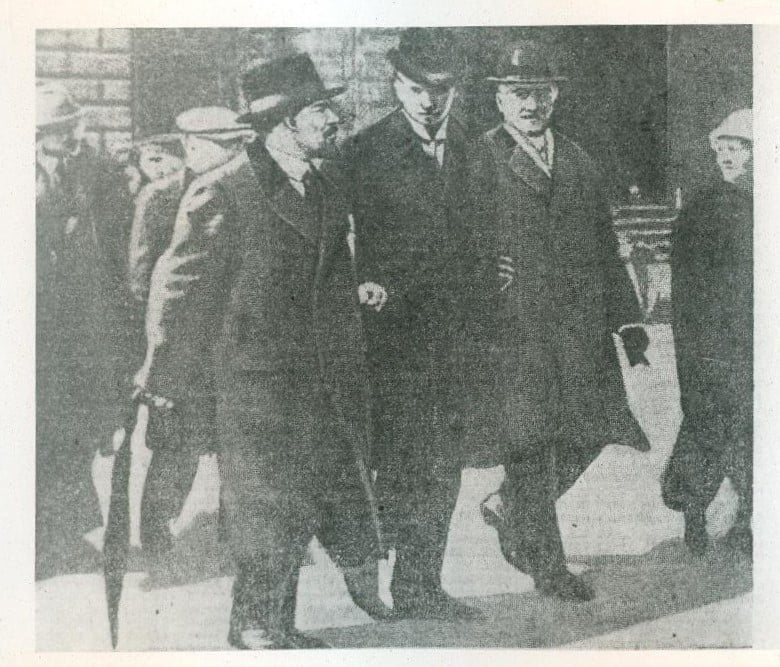
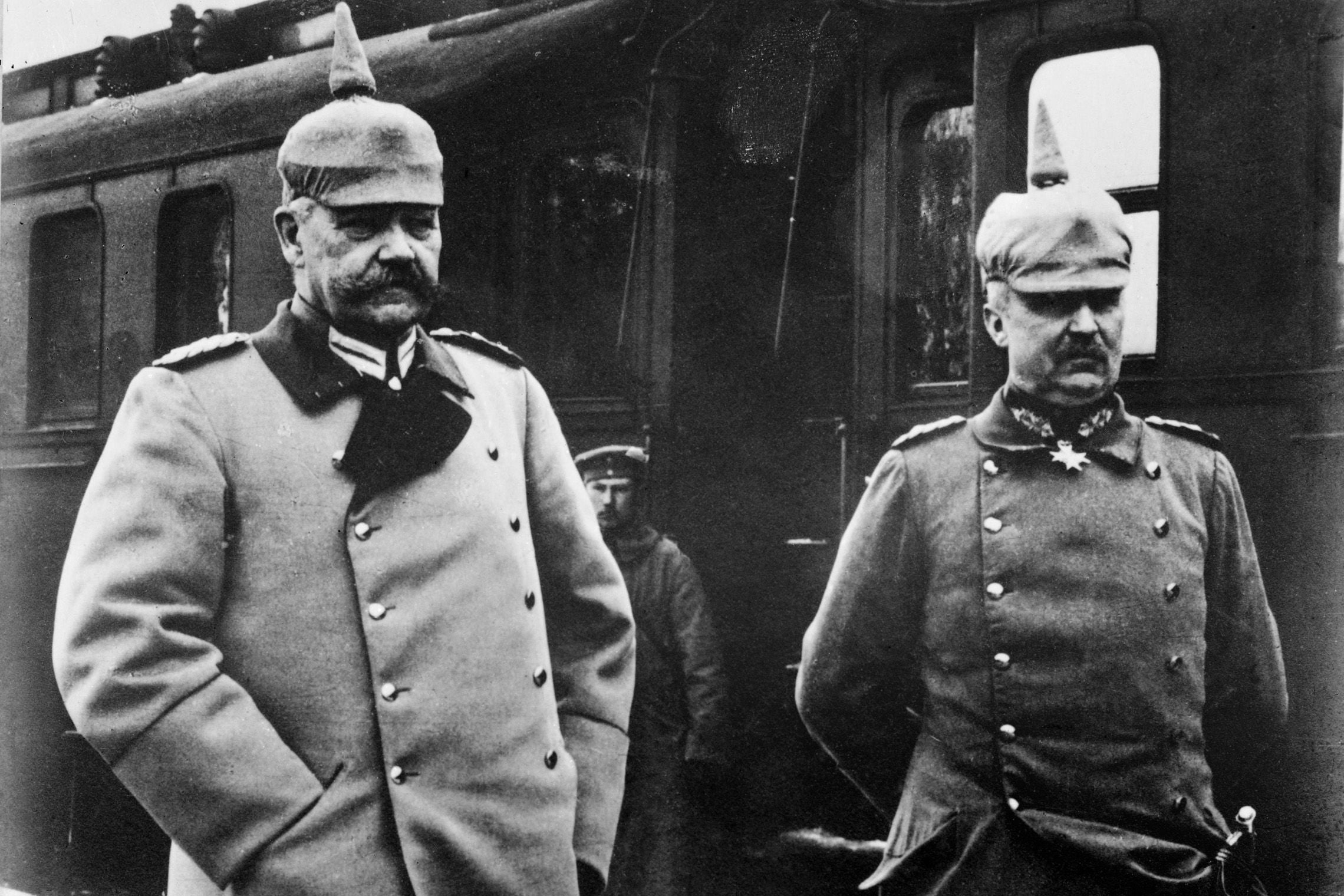
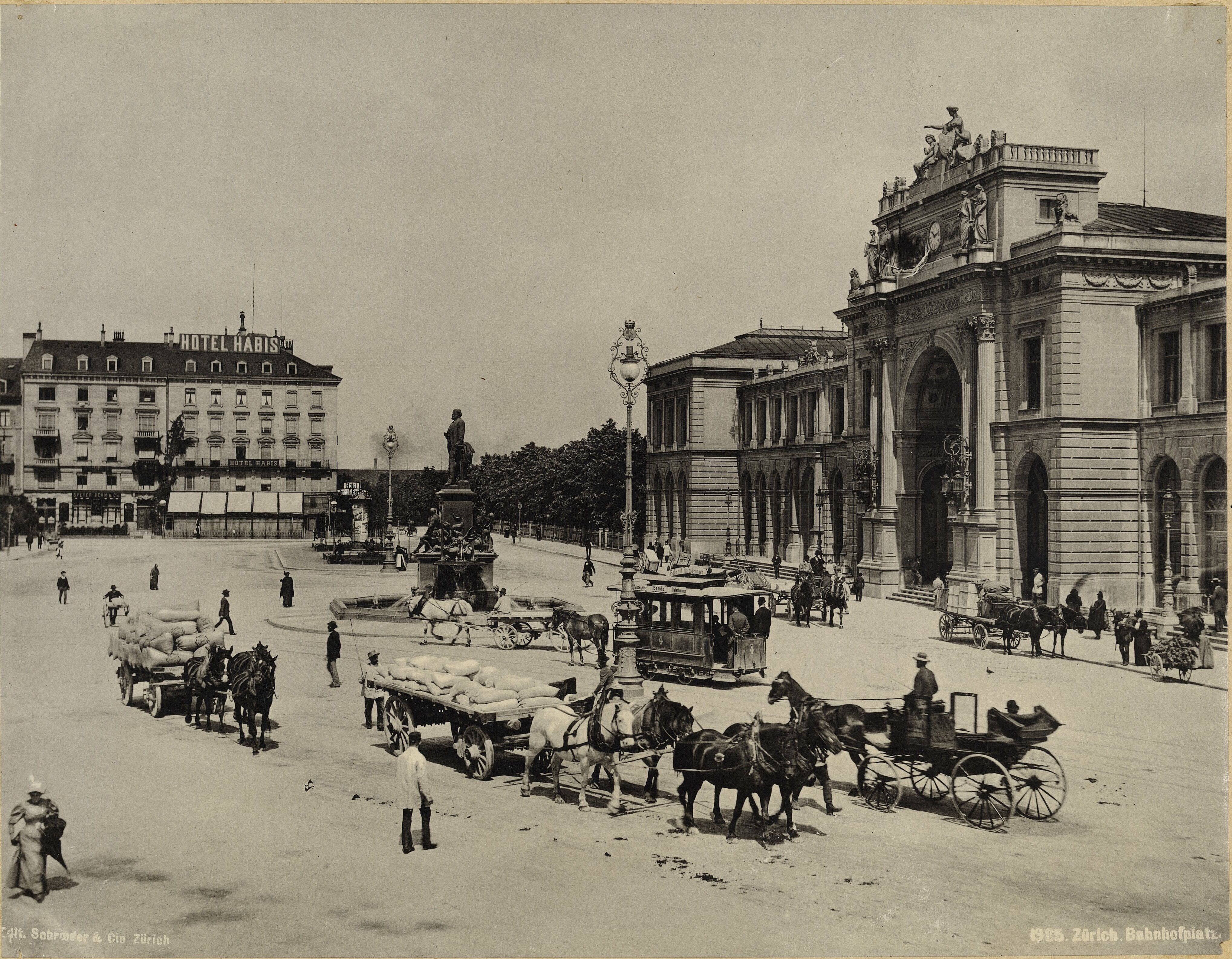
Parvus gained his greatest notoriety from the affair of the famous "sealed train." In February 1917, he turned out to be the only person who undertook to transport the Bolshevik leadership from neutral Switzerland to Petrograd across war-torn Europe. To do this, he had to convince German Foreign Minister Brockdorff and the Chief of the German General Staff, Erich von Ludendorff. "On Ludendorff's part, it was a venture arising from Germany's grave military situation," Trotsky would later write about it.
Parvus was allocated an additional five million marks, and he entered into negotiations with the Bolshevik leaders. However, in trying to use Lenin for his own purposes, Parvus and his sponsors miscalculated badly. After the fall of the Provisional Government, the "merchant of revolution" asked for permission to visit Soviet Russia. Lenin refused, sending Parvus the message that a revolution cannot be achieved through underhanded means.