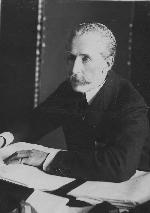
As a rule, foreign ambassadors are not expected to involve themselves actively in the internal affairs of their host country. Yet Sir George Buchanan, the British Ambassador, interpreted his diplomatic functions very broadly. Appointed to St. Petersburg in 1910, he cultivated close ties with both the Tsarist government and the leaders of the Duma opposition — above all with representatives of the Constitutional Democrats and the Octobrists.
Buchanan’s position grew increasingly insistent as the war dragged on, laying bare Nicholas II’s inability to place the country’s economy on a war footing. In 1915, he founded in the Russian capital the Society for Anglo-Russian Rapprochement, through which he extended his influence over liberal circles.
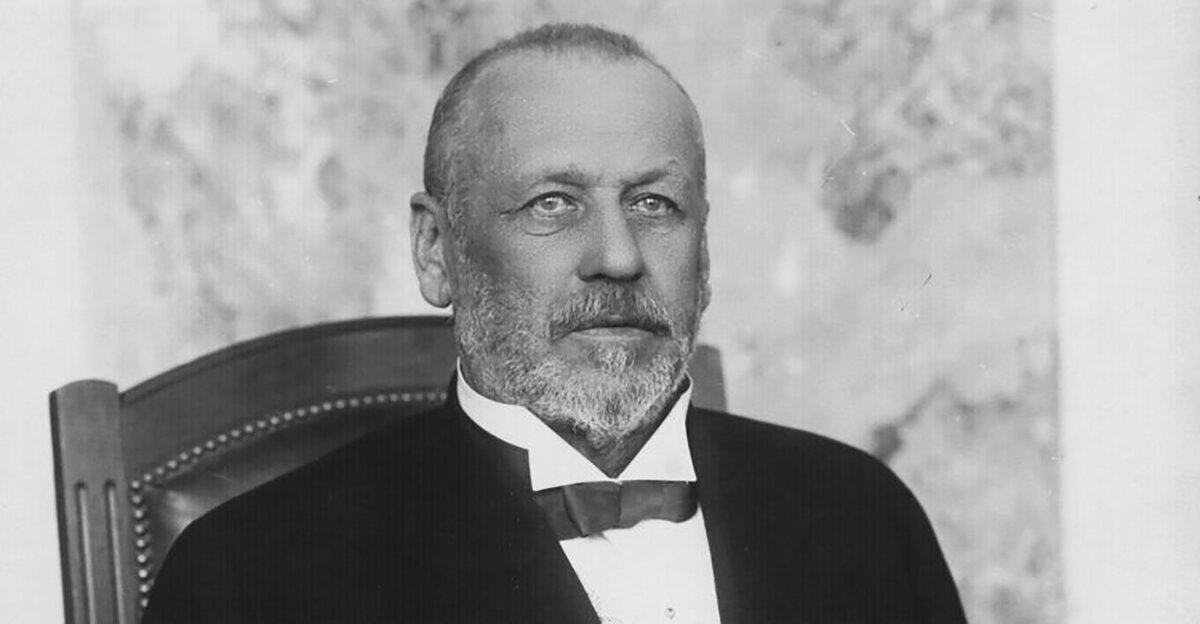
“The idea of forcing the Tsar to abdicate was being actively discussed in Petrograd in late 1916 and early 1917. I was repeatedly approached from various quarters by representatives of high society. Many of them were entirely convinced that I was organizing a coup, and that I was being assisted in this by a number of Guards officers and by the British Ambassador, Buchanan,” recalled Mikhail Rodzianko, the last chairman of the Imperial Duma.
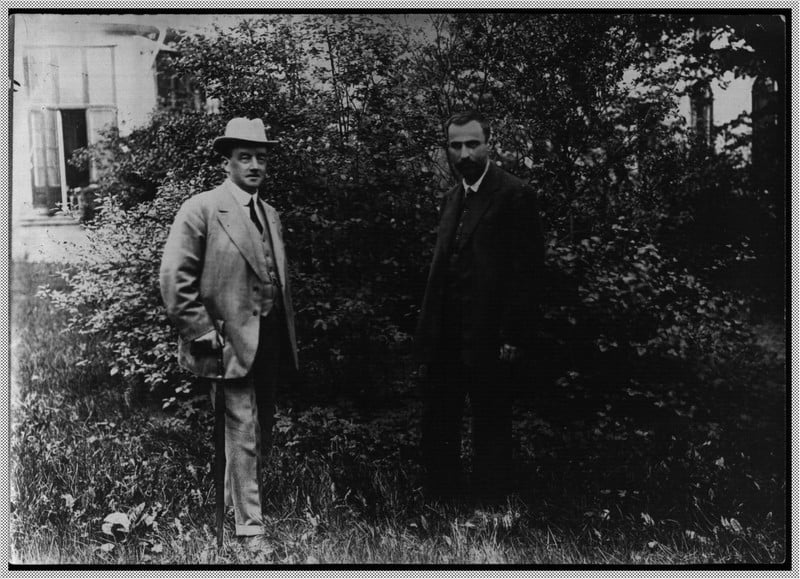
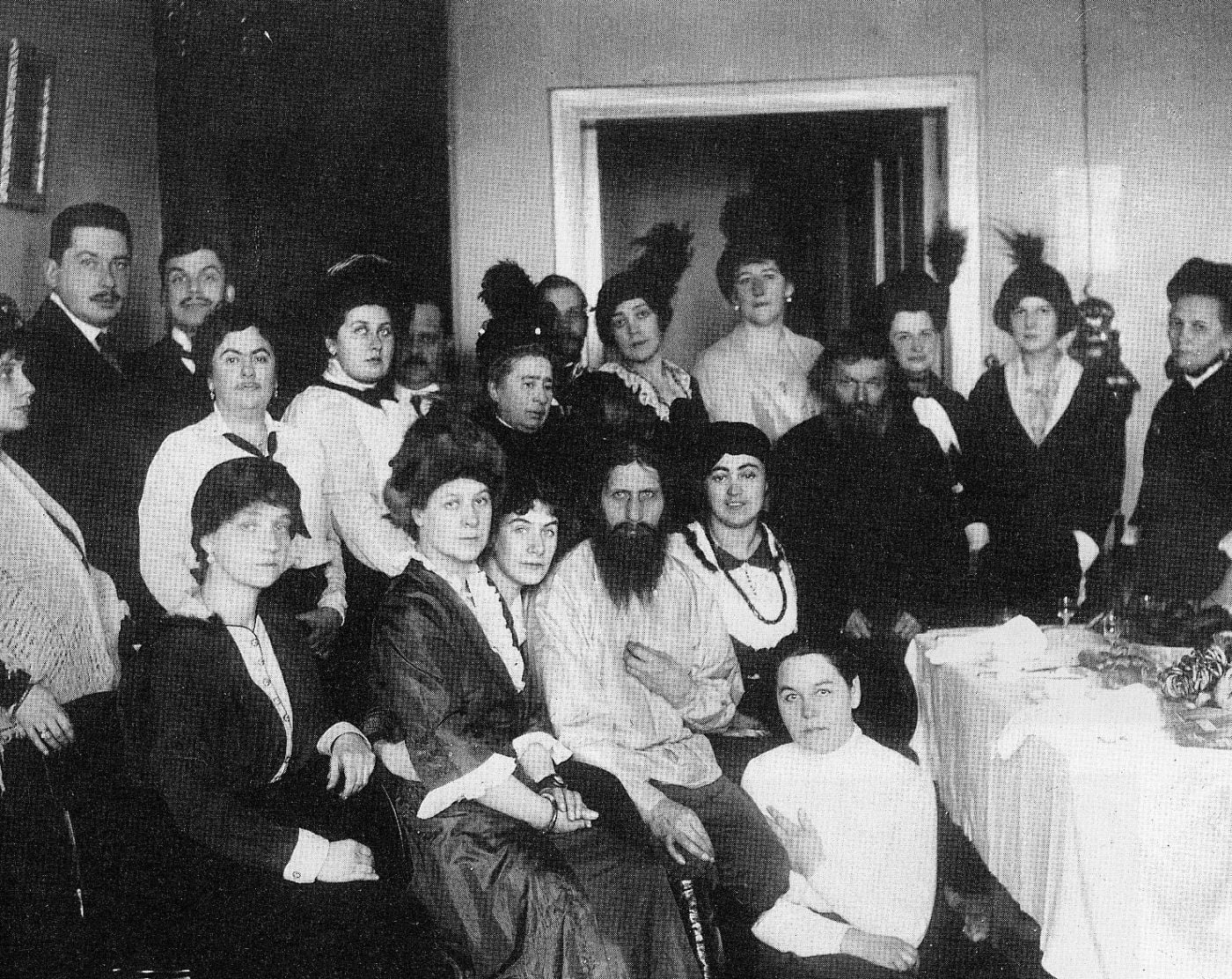
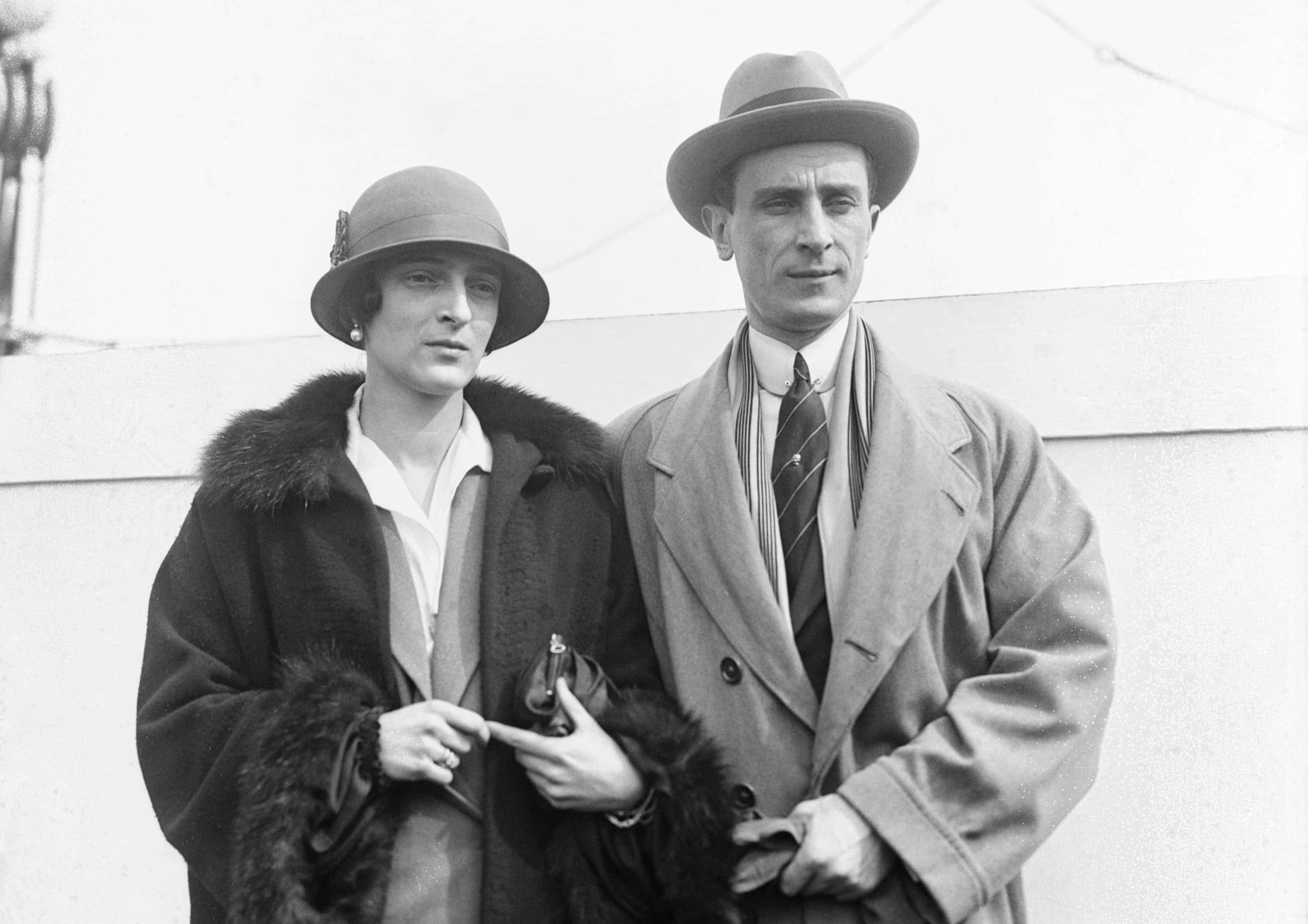
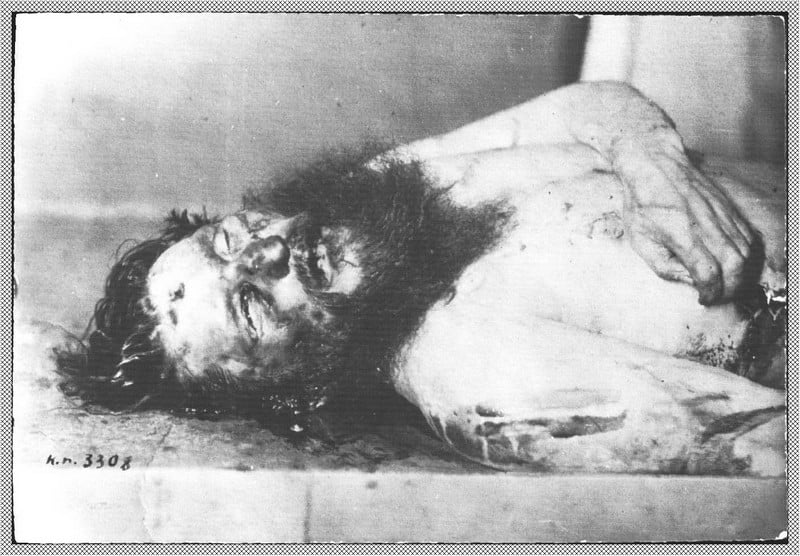
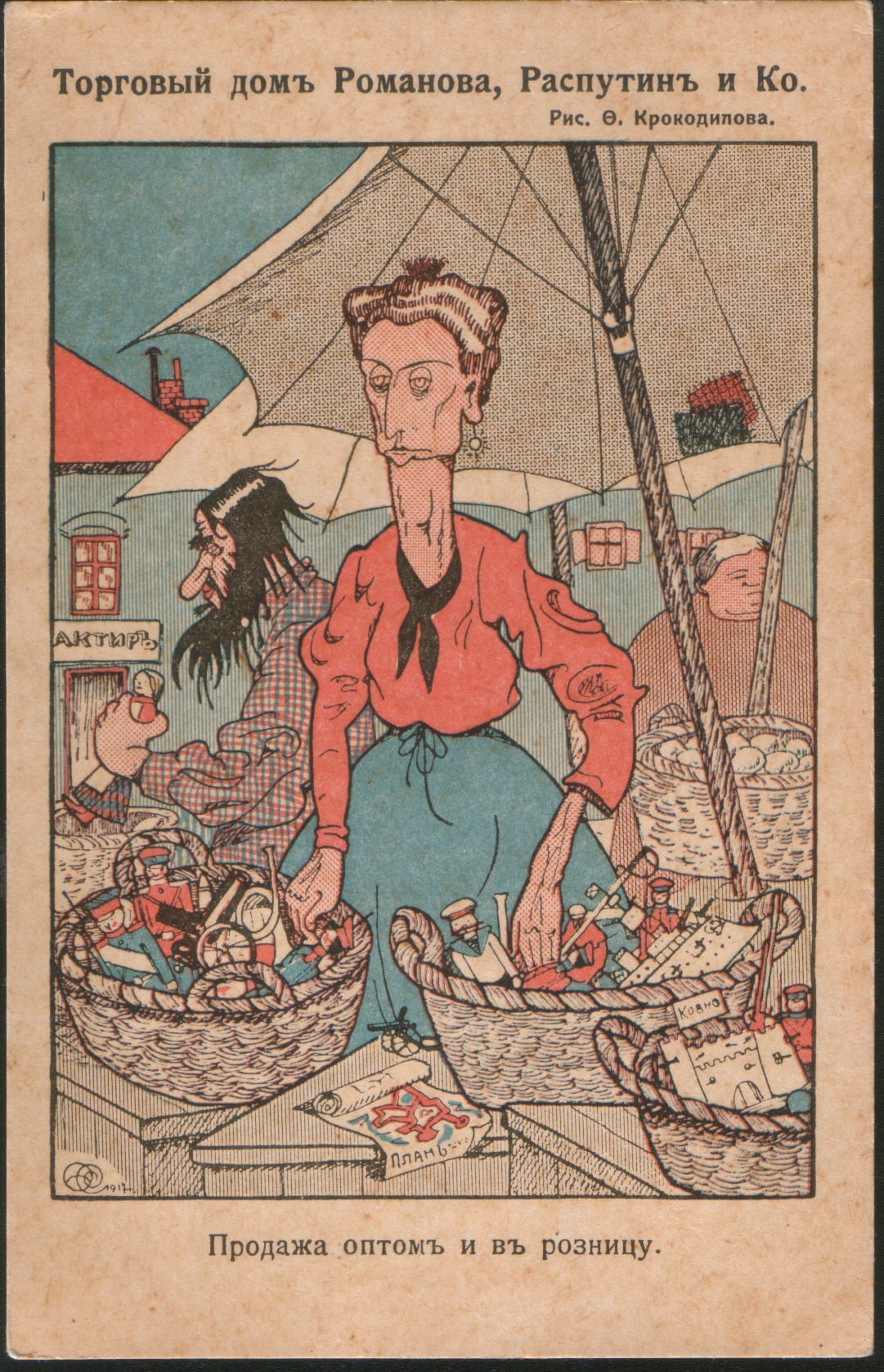
With his extensive network of contacts, Buchanan was most likely aware of the plans to assassinate Grigory Rasputin, the tsar’s family’s favourite - and welcomed them. Britain was concerned that Rasputin, using his influence over Nicholas II’s wife, would persuade her to urge her husband to conclude a separate peace with Germany. According to the account given by Richard Cullen and Andrew Hook, the English intelligence officer Oswald Reiner - a close friend of one of the main conspirators, Felix Yusupov, with whom he had studied at the University of Oxford - was among Rasputin’s assassins. There is no direct evidence of this, but in his memoirs Yusupov mentions a lunch held the following day in the company of Reiner, who was at the very least aware of the plot ‘and came to listen to the news’.