During World War I, attempts of foreign powers to interfere in the internal politics of the Russian Empire reached the peak. The inability of the Tsarist government to resolve its complex internal contradictions made it unstable and vulnerable to external pressure. A destructive role was also played by a lack of responsibility among the political elites of the time, who didn’t hesitate to accept foreign “help” even from Russia’s military adversaries.
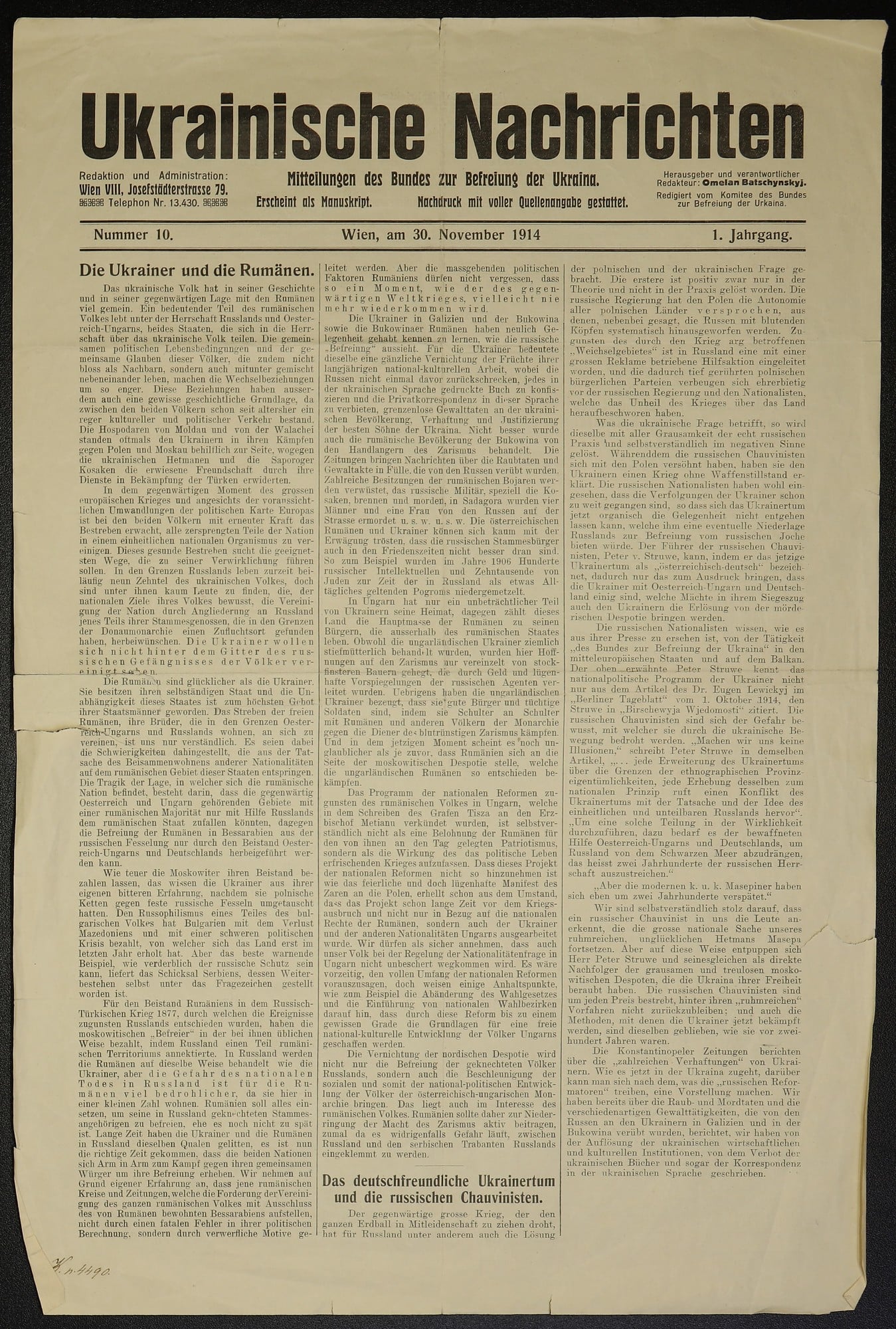
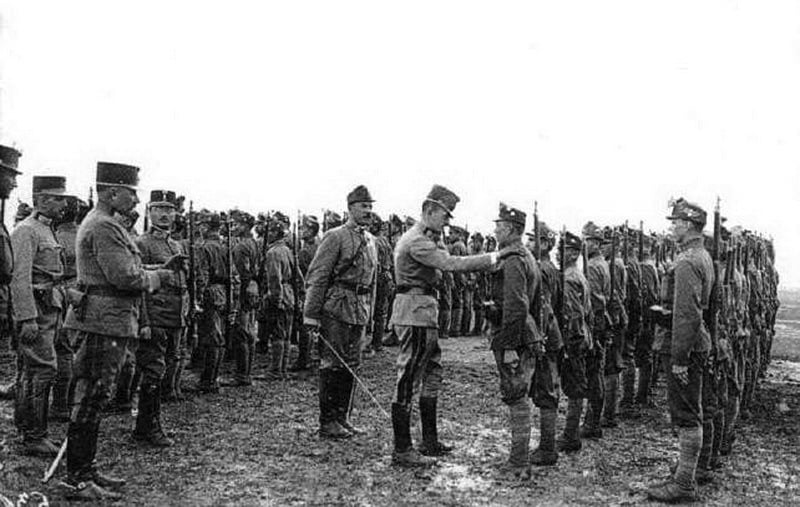
As early as August 4, 1914, at the very beginning of the war, with the support of Austria-Hungary the Union for the Liberation of Ukraine was created. Bringing together Bukovinian and Galician nationalists, it declared its goal the separation of Ukraine from Russia and the creation of an “independent” state under the protectorate of Austria-Hungary and Germany. In reality, however, the members of the Union, using Austrian funds, performed agent duties. Later, under German direction, they carried out propaganda and agitation in the camps among Ukrainian prisoners of war.
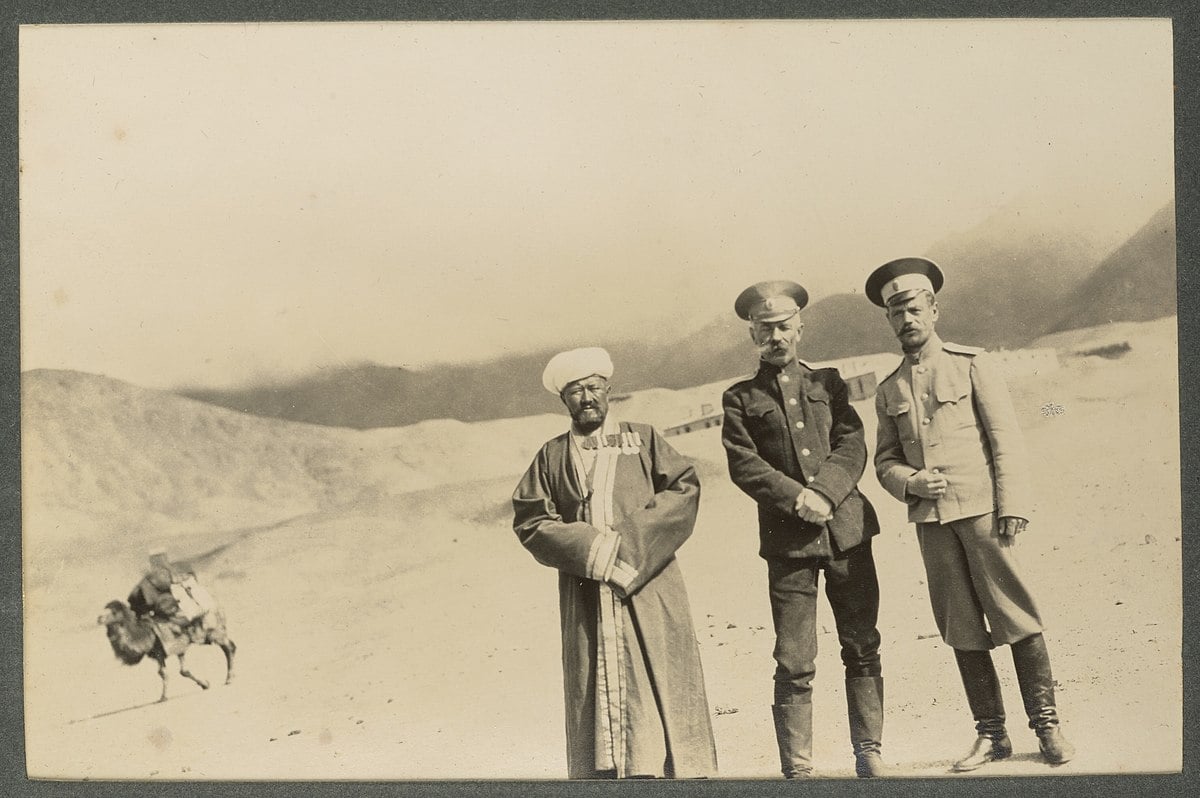
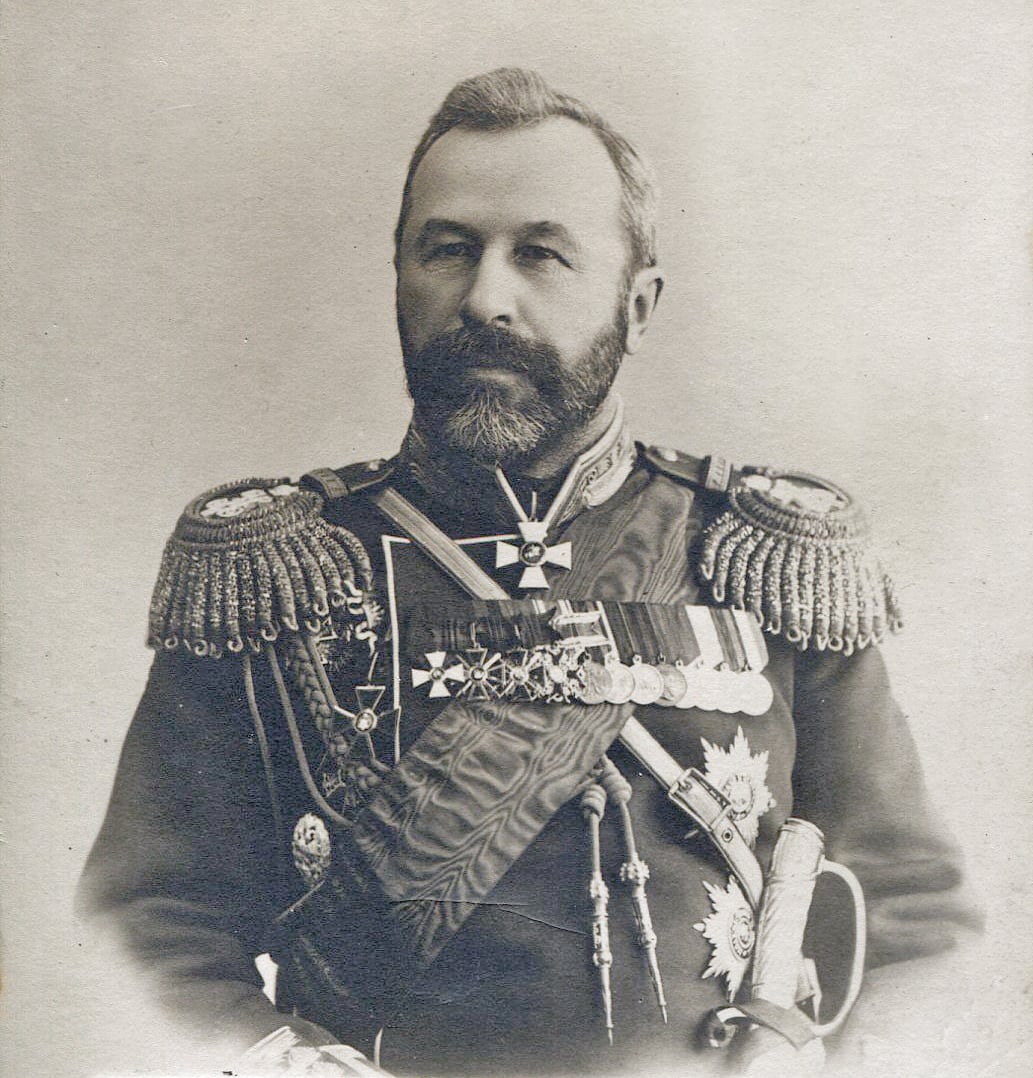
The influence of the Central Powers was also evident in the organization of the 1916 uprising in Central Asia. The military governor of Semirechye Oblast, A. I. Alekseev, wrote in a report to Governor-General of Turkestan, A. N. Kuropatkin, that “among the main reasons for the discontent of the Kyrgyz which led to the open revolt must be considered the propaganda coming from neighboring China (Kuldja, Kashgar), where German agents were acting through Dungans and Chinese, who came in large numbers to Karkara and Przhevalsk…”.
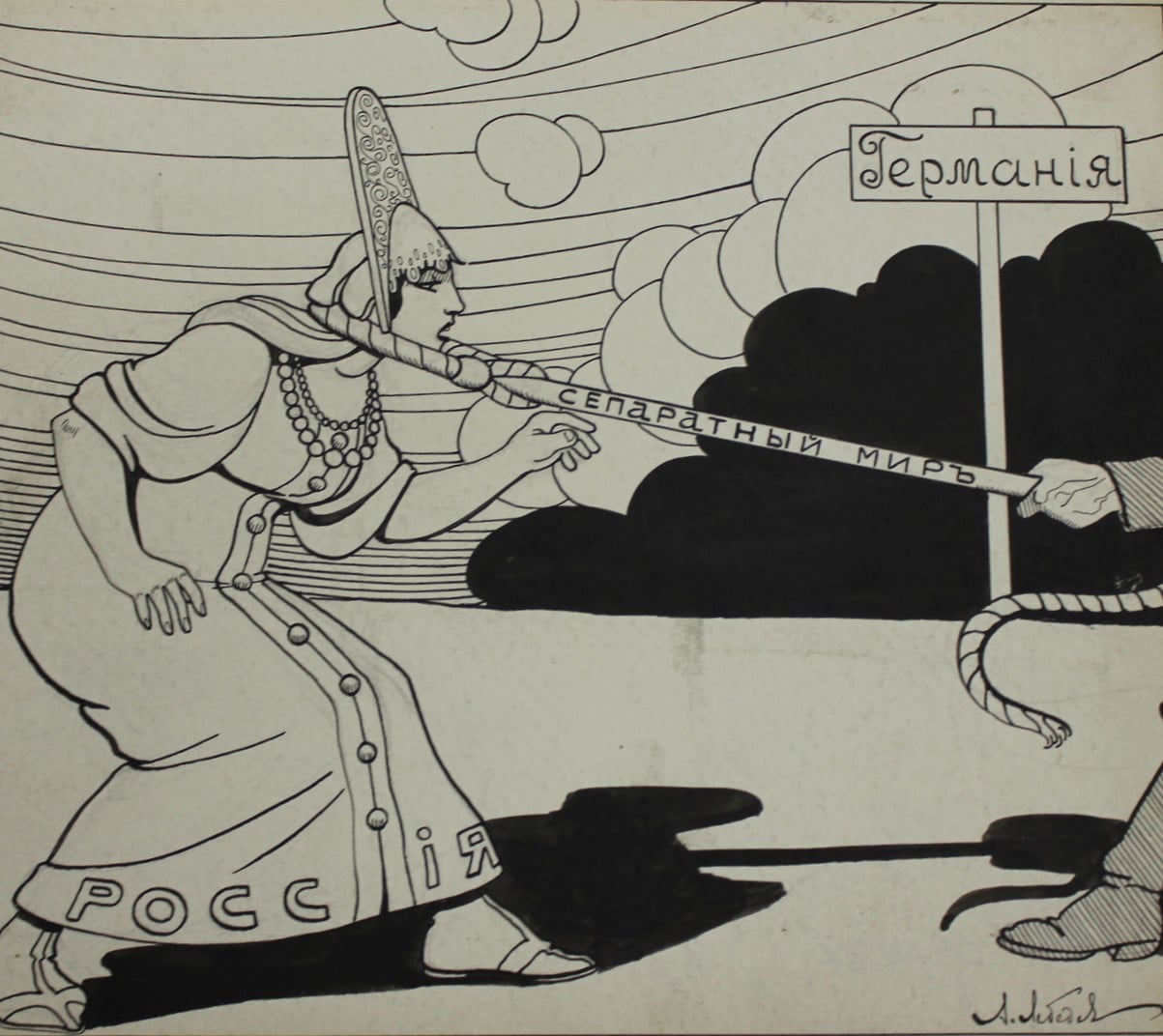
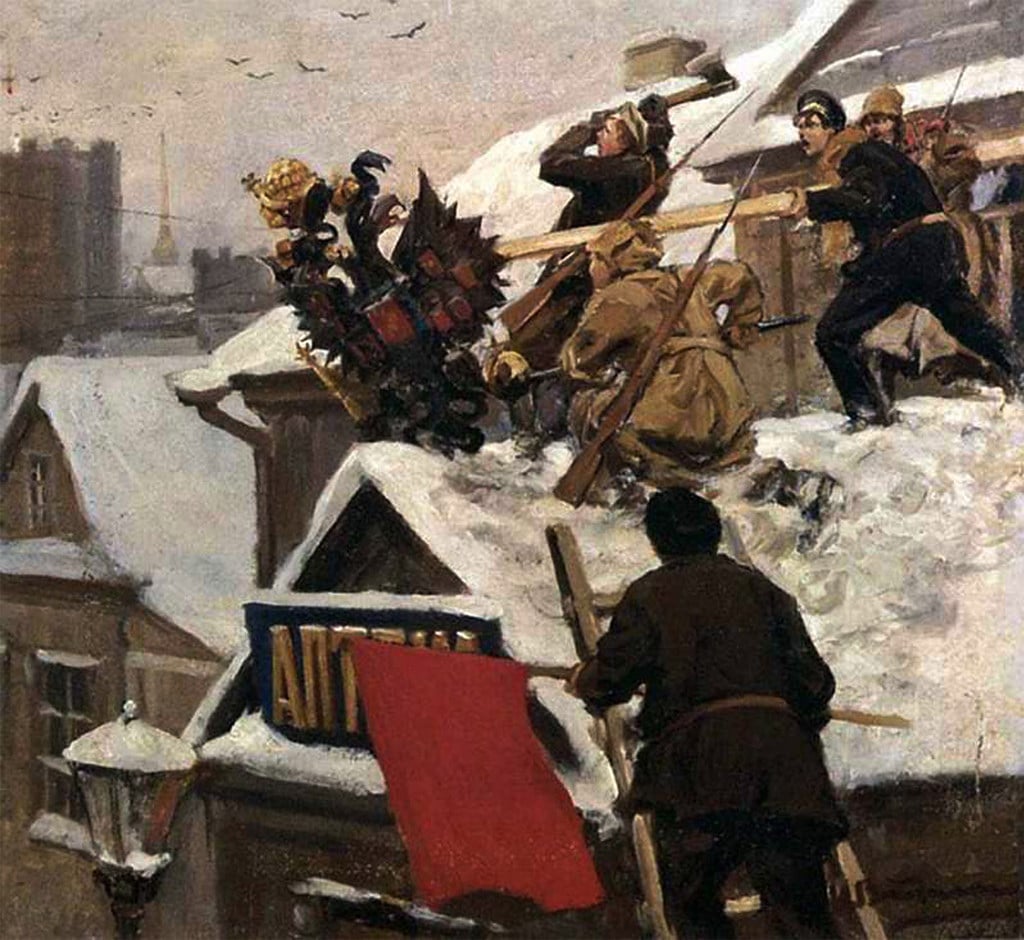
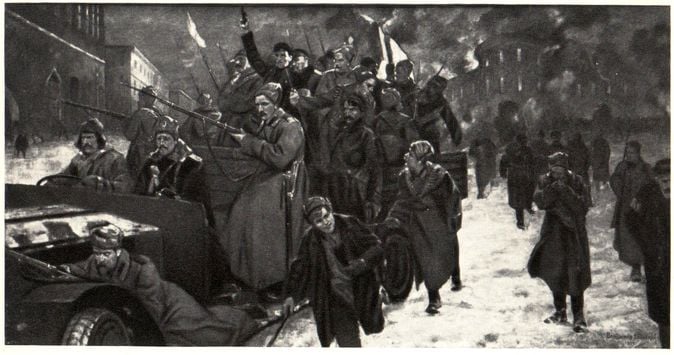
At the same time, Germany did not abandon attempts to conclude a separate peace on terms favorable to itself. In this matter, the British were particularly afraid of Rasputin. His murder, as well as the instantaneous reaction of the foreign press to the fall of the monarchy in Russia, raise the question of direct involvement in destabilizing the internal political situation within the Russian Empire. In this context, the refusal to grant asylum to the deposed emperor and his family appears to be a completely logical culmination of the blows against Russian statehood.
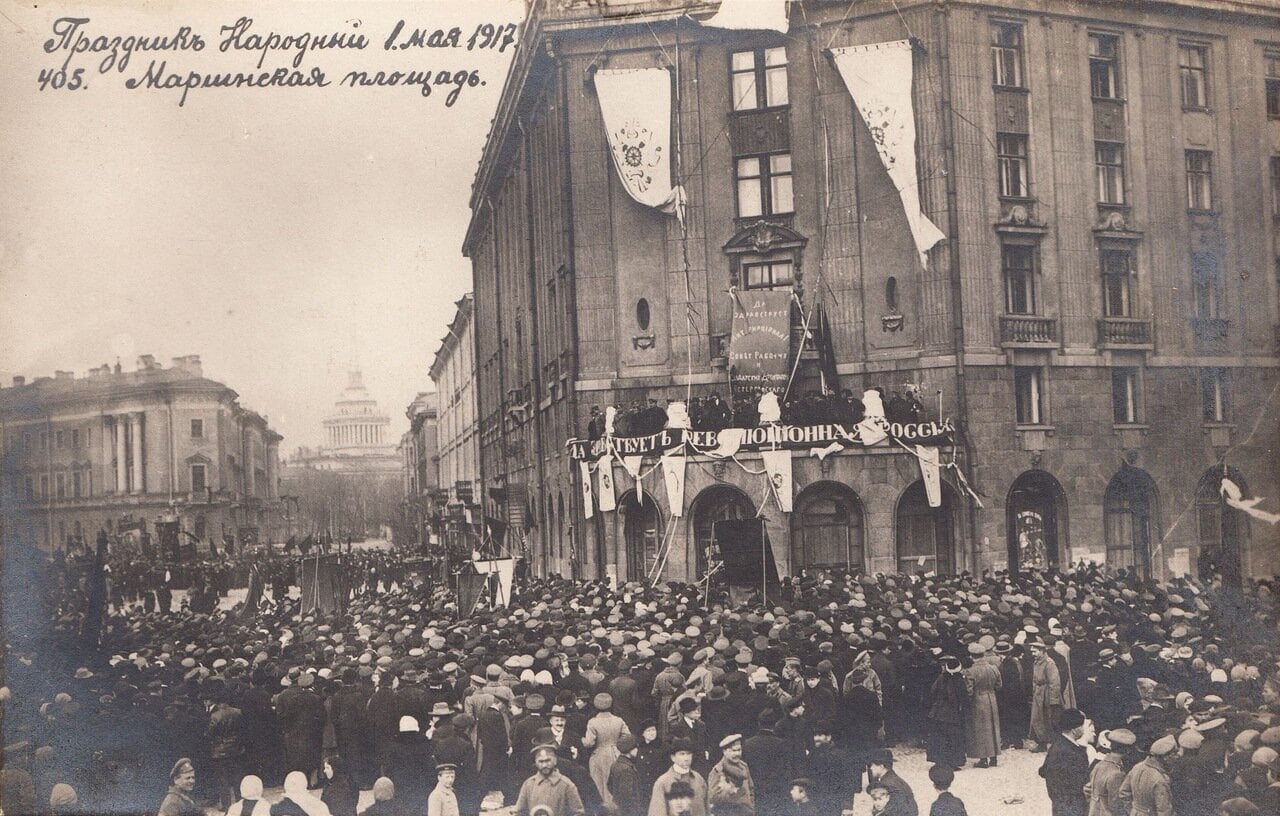
After the Provisional Government came to power, the most consistent foreign policy support for it came from the United States of North America. As early as 1915, the United States had expressed a desire to obtain the Trans-Siberian Railway as a long-term concession — and when discussing issues of lending to Russia, the terms of American capital proved to be onerous.