Protecting the Sovereignty of the Russian State. History and the Present

The First Russian Revolution

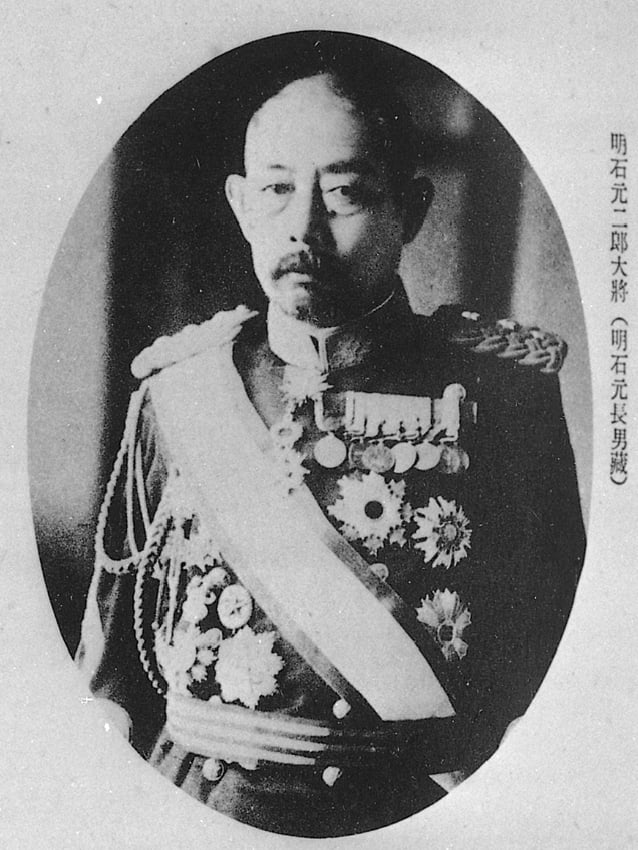
The Russo-Japanese War and the First Russian Revolution heralded the coming upheavals in Russia. In order to weaken the enemy, the Japanese military intelligence led by the former military attaché in St. Petersburg Akashi Motojiro resorted to funding the opposition to the Tsarist government.

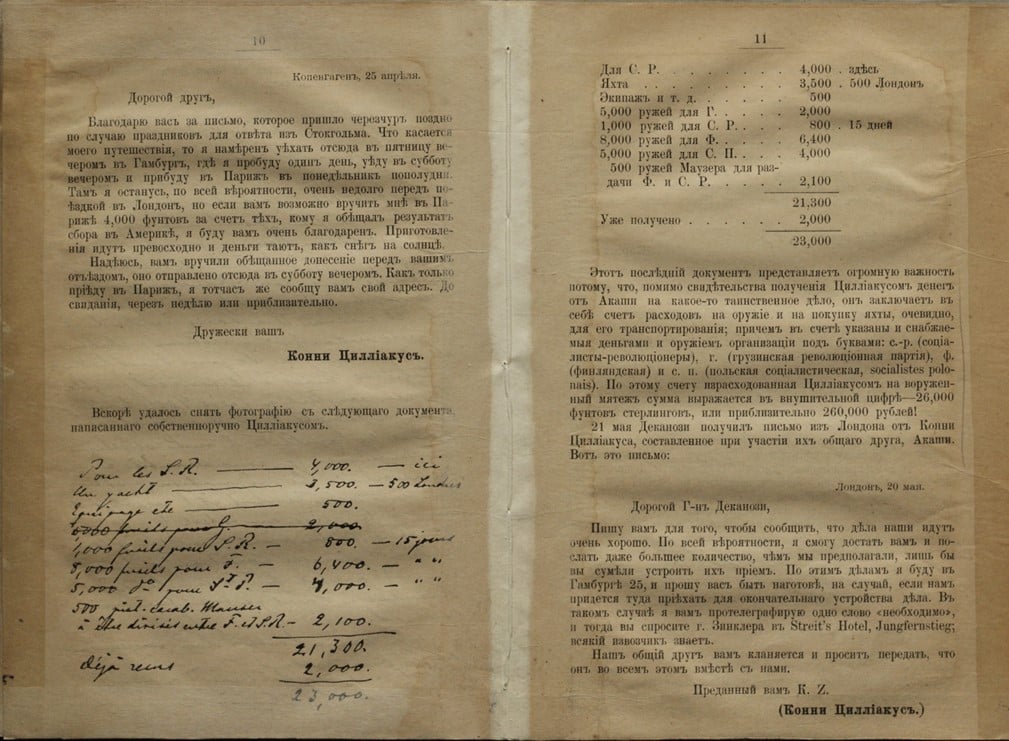
In 1904 Akashi established contact with the leadership of the RSDLP (Russian Social Democratic Labour Party). Japanese funds were channelled into the printing of illegal literature, the strengthening of inter-party ties, the military-technical preparation of an armed uprising. Direct supplies through Finland and the Caucasus were set up.

Akashi funded The Paris Conference of Russian Opposition and Revolutionary Parties, which adopted the resolution on the overthrow of the autocracy. Thus, the liberals, the SRs, and the Bundists, gathered at the “Congress of the Russian Opposition”, unknowingly served as tools of Japanese espionage. The same conference was held a year later in Geneva.

“When Port Arthur surrendered, the French offered their condolences, and some Russian emigrants congratulated each other on the victory of Japanese arms. The war against the government overshadowed the war with Japan”. (A. Tyrkova-Williams "On the path to freedom”).

The weakening of central authority alongside military defeats ultimately compelled the Tsarist government to sign the Treaty of Portsmouth, which formalized the loss of Russia’s influence in the Far East.
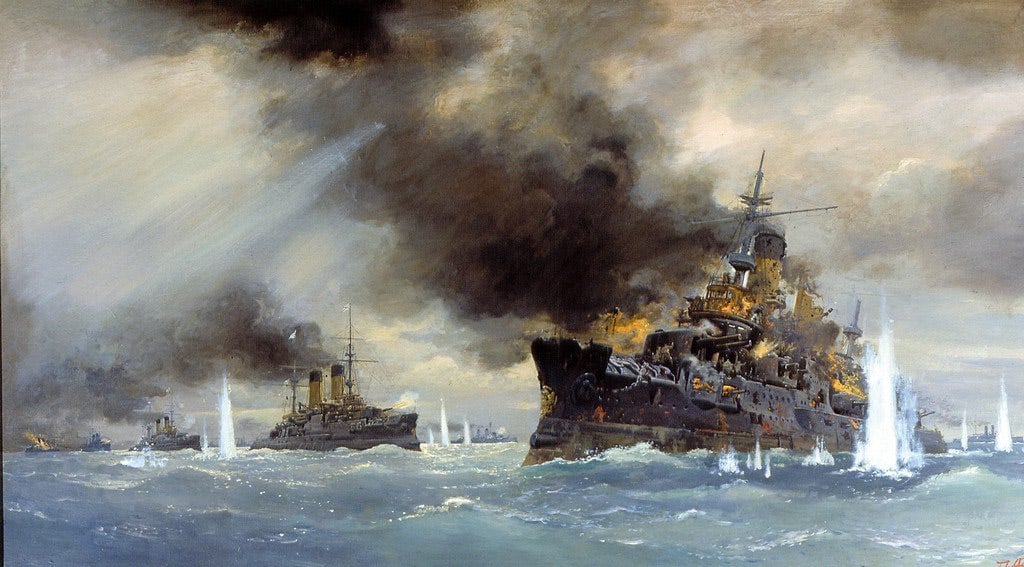
The Battle of Tsushima, 1905. Artist: S. V. Pen, 1991, Central Naval Museum
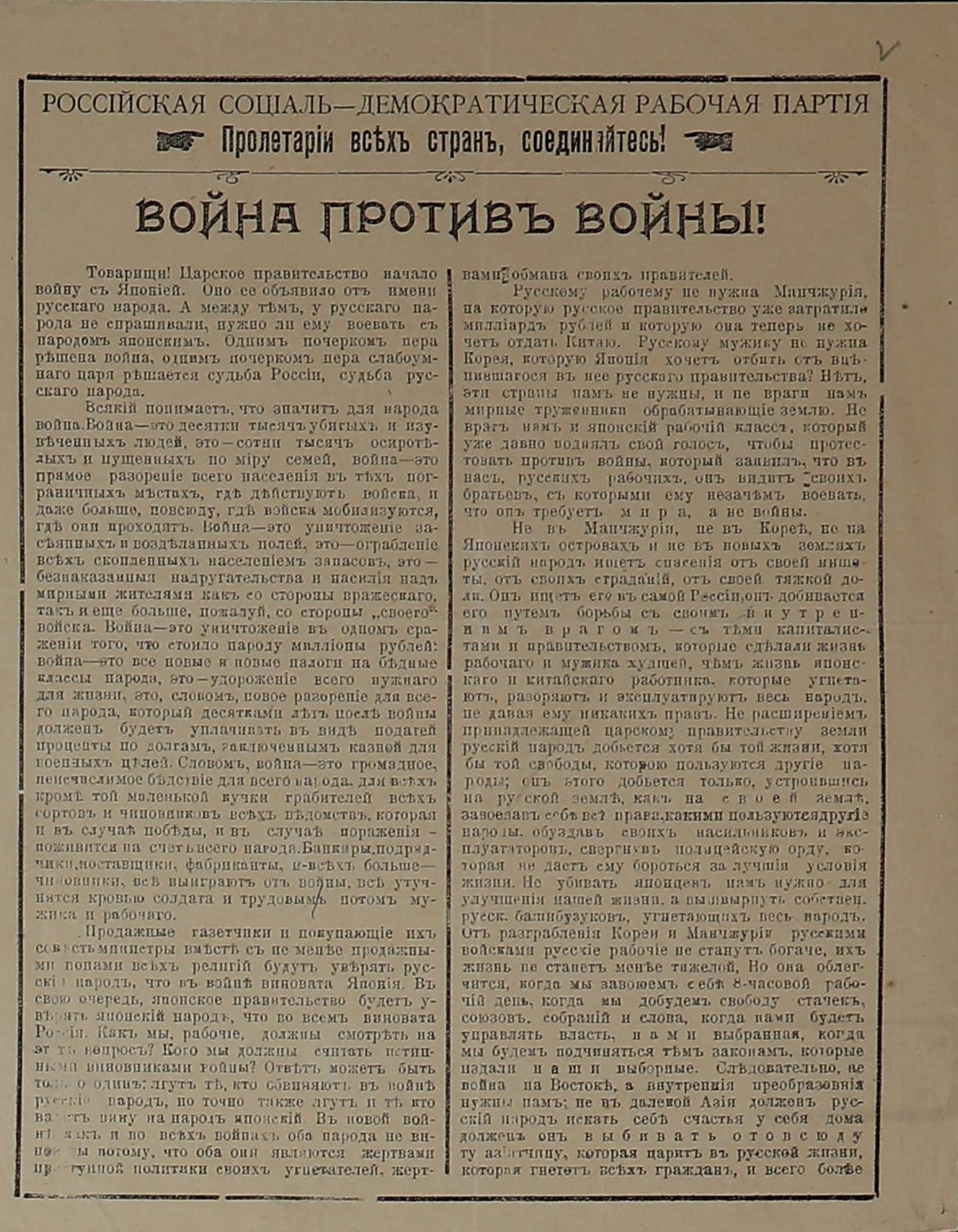
“War against War.” A leaflet of the Russian Social Democratic Labour Party against the Russo-Japanese War. 1904, State Central Museum of Contemporary History of Russia
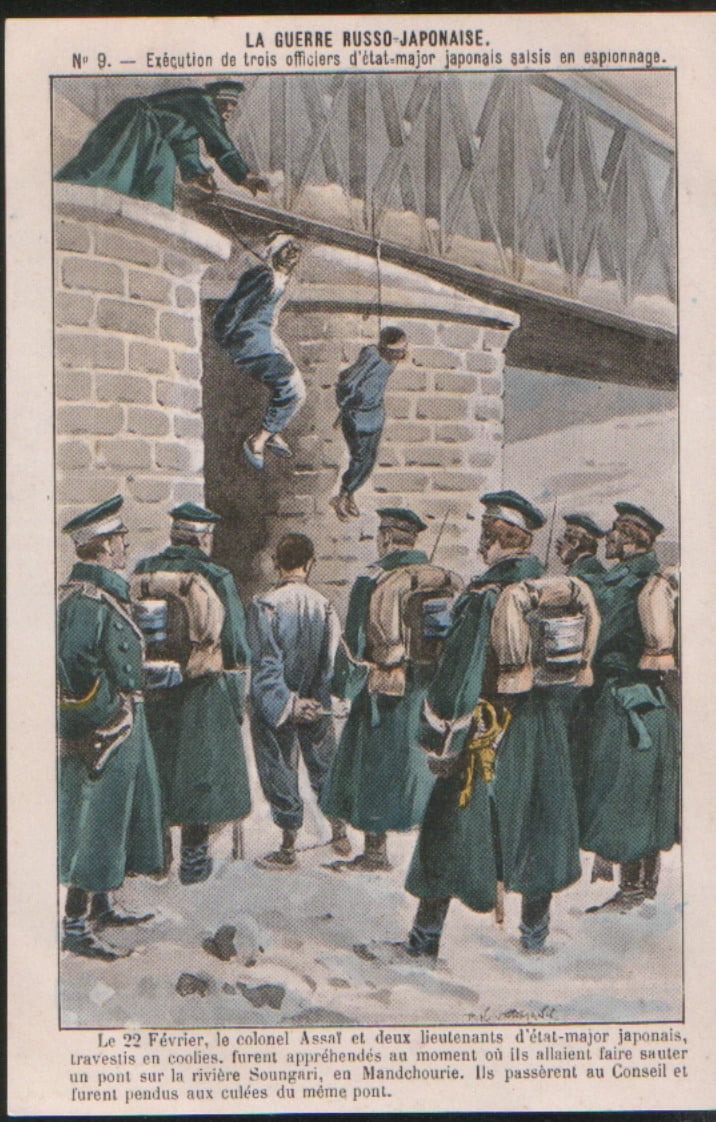
“The Russo-Japanese War. Execution of Japanese General Staff Officers Caught Spying.” Paris, 1904, State Central Museum of Contemporary History of Russia
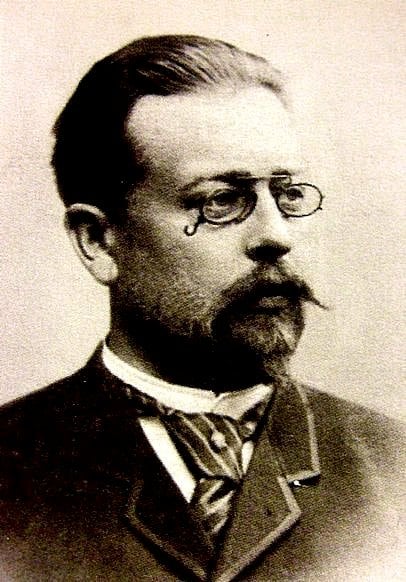
Akashi Motojiro. Early 20th century
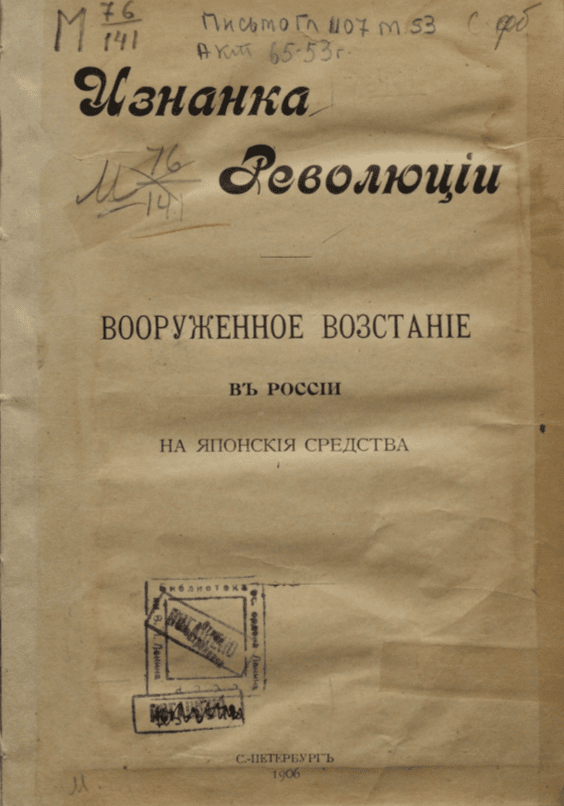
Pamphlet “The Other Side of the Revolution: Armed Insurrection in Russia with Japanese Funding.” St Petersburg, A. S. Suvorin's printing house, 1906
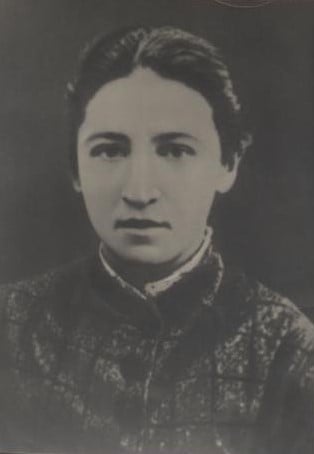
V. I. Zasulich, a participant in the Russian and international socialist movement. Early 20th century, State Historical Museum
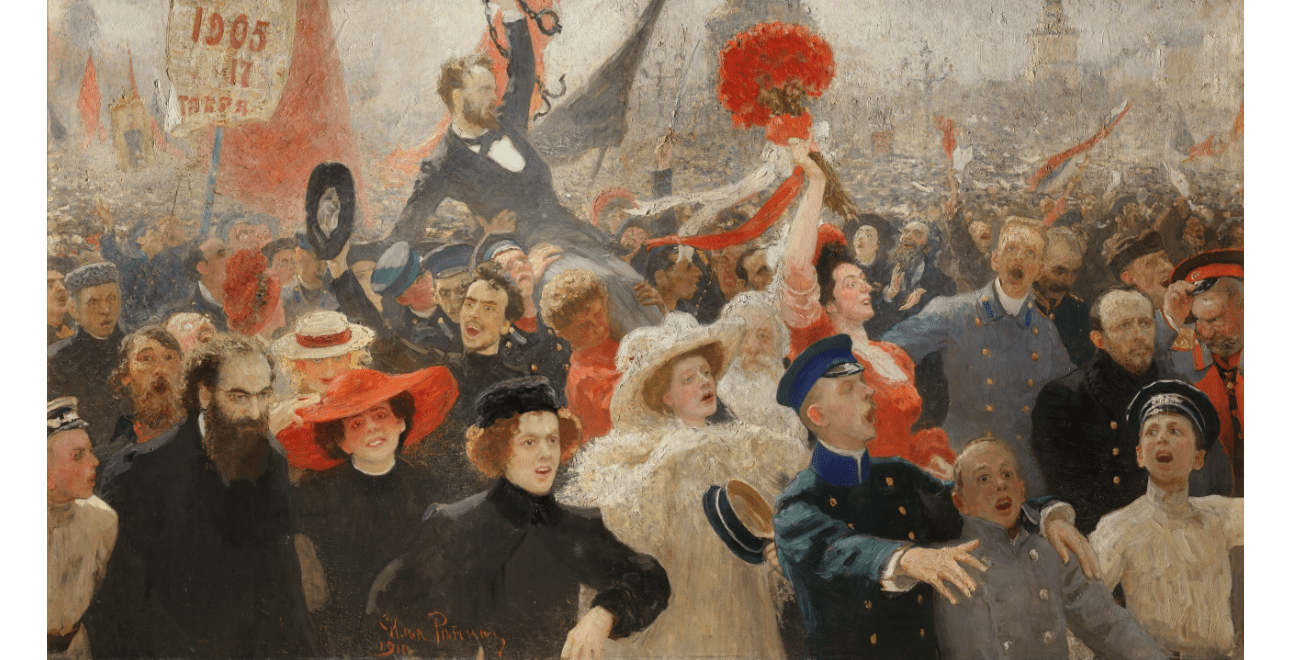
“17 October 1905.” Artist: I. E. Repin, 1907, State Russian Museum
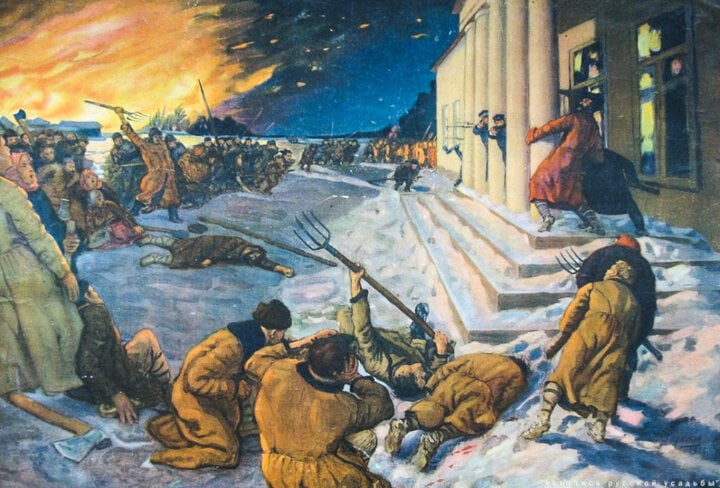
The destruction of a landowner's estate in 1905. Artist: G. N. Gorelov, 1925
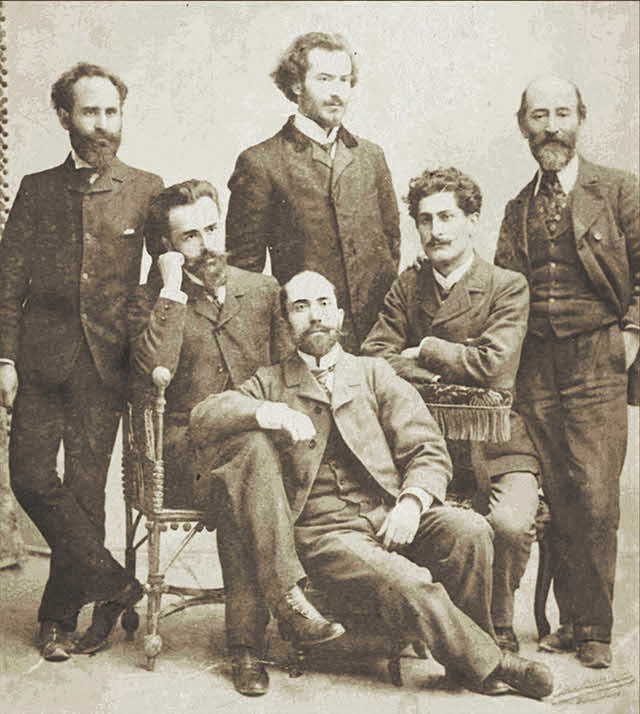
Members of the Georgian Socialist-Federalist Revolutionary Party. In the centre is Georgy Gavrilovich Dekanozov (Dekanozishvili). Geneva, 1904
Konni (Konrad Viktor) Zilliacus. 1900. Finnish revolutionary. Together with Akashi, he developed a plan to fund the activities of the Russian opposition