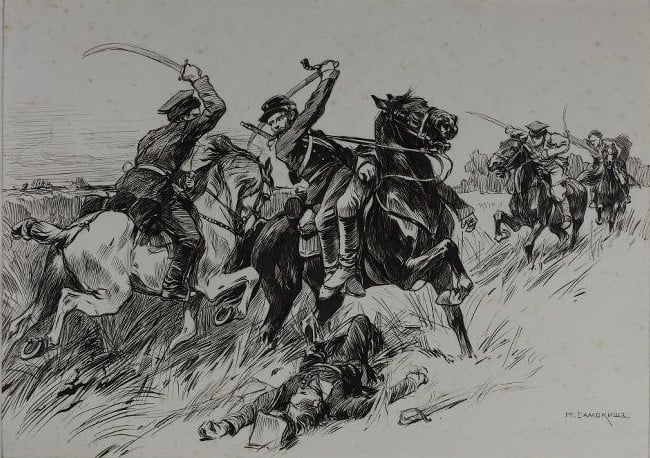
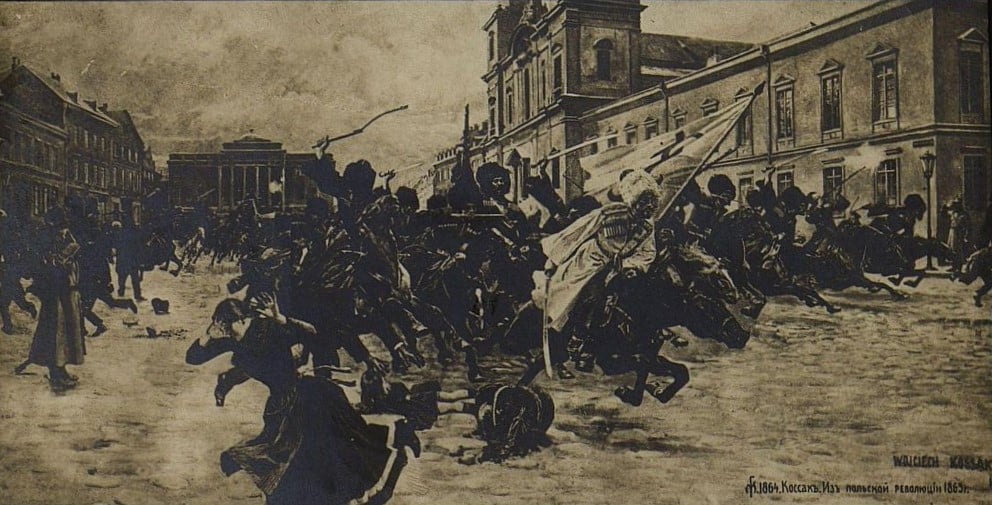
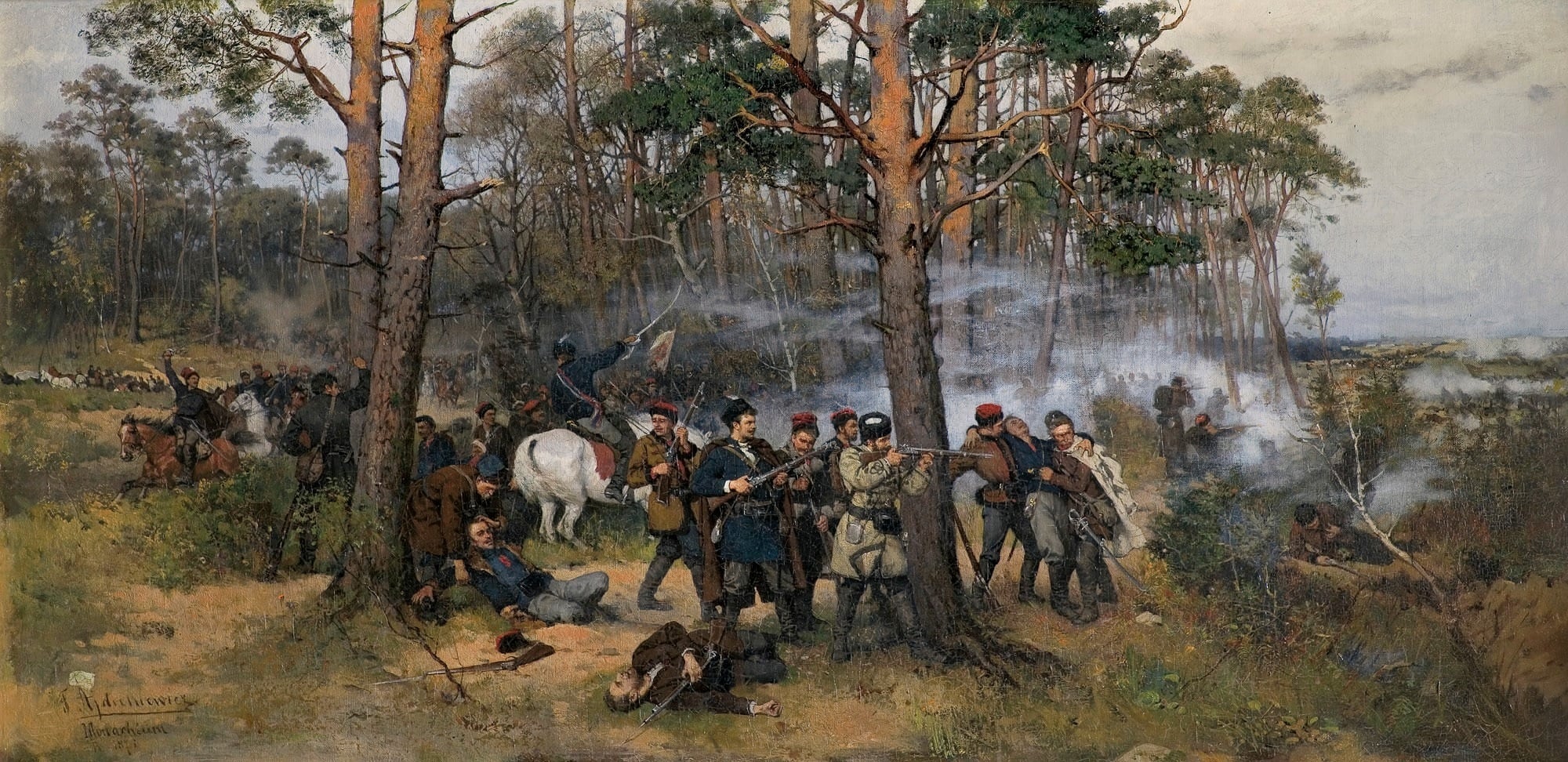
When the Kingdom of Poland was incorporated into the Russian Empire as a result of the Congress of Vienna, the Poles were granted a constitution, and the special status of historical Poland was confirmed by the preservation of Polish laws. At the same time, throughout the entire period as a part of Russia, the radical-minded polish nobles (Szlachta) persistently demanded from St. Petersburg either independence or the annexation of the Western Krai (the lands of Belarus, Lithuania, and Ukraine) to Poland. The uprising of 1863-1864 represented yet another escalation of the "Polish question". Its immediate cause was the conscription of Poles into the Russian army, and a consequence of the ensuing rebellion was the intervention of European powers hostile to Russia.
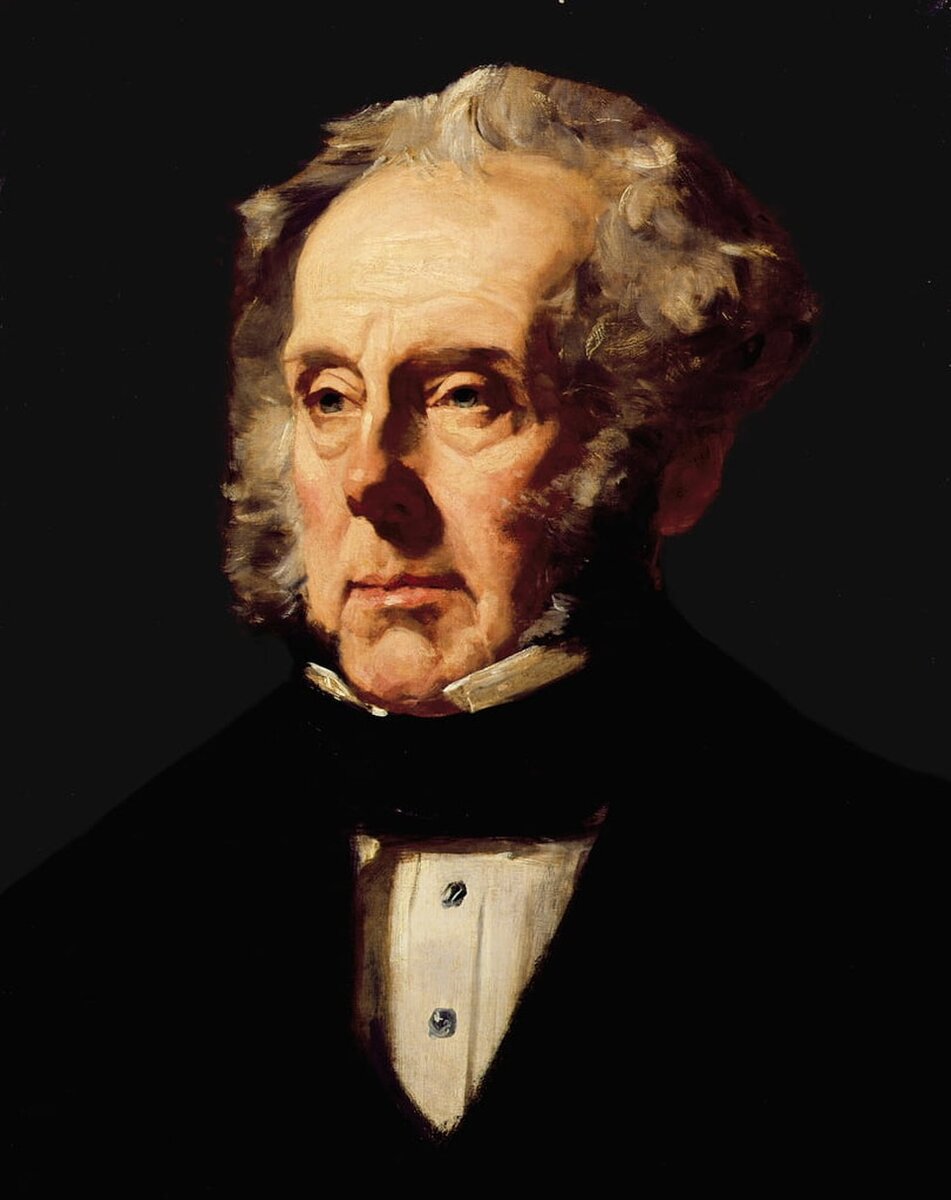
Great Britain displayed the greatest activity in this regard. As early as the end of February 1863, the government of Lord Palmerston resolved to stage a diplomatic demarche in St. Petersburg in order to break the tsarist government’s will to suppress the uprising. On 17 April, three European ambassadors in St. Petersburg simultaneously presented the tsarist government with notes of similar content, intended to compel the acceptance of the Polish rebels’ demands. Following Great Britain, France, and Austria, Spain, Sweden, Italy, the Netherlands, Denmark, Portugal, and Turkey likewise issued notes on the Polish question. This diplomatic offensive emboldened the rebels. In Warsaw, the arrival of French troops was expected at any moment.
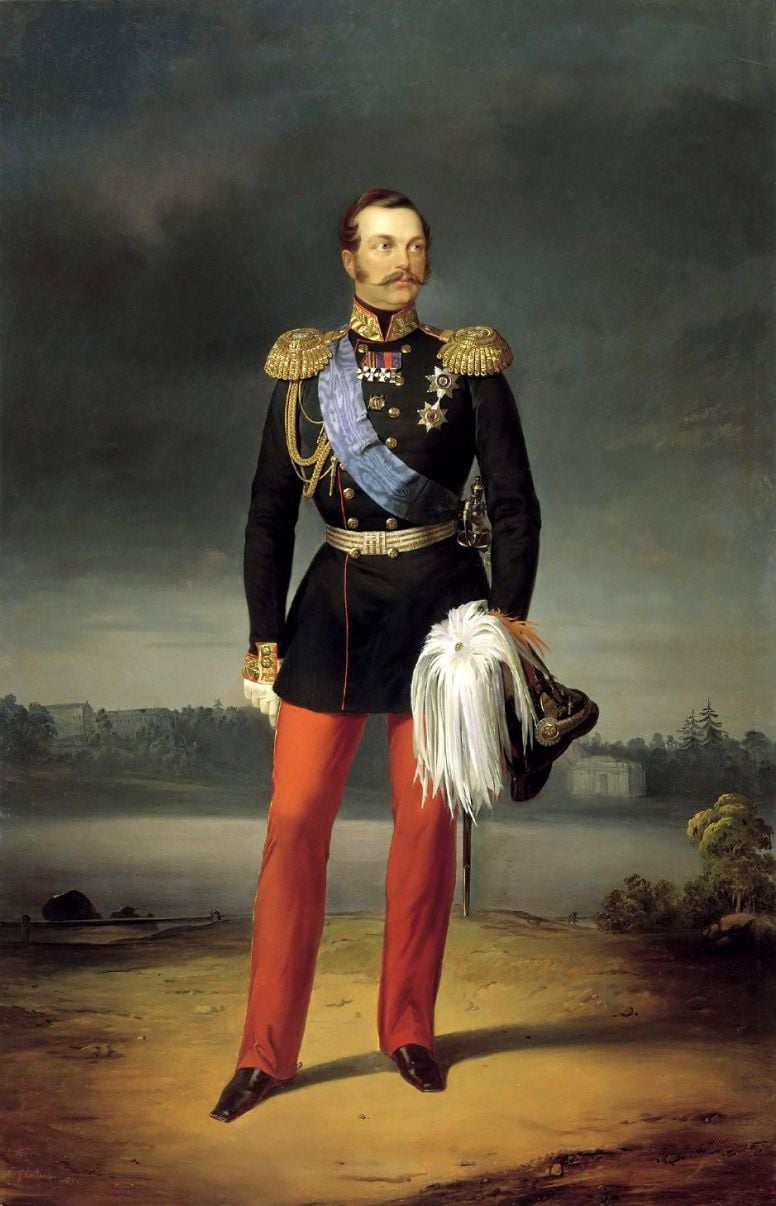
Being extorted, the Emperor Alexander II decided to demonstrate firmness. Admitting that “polish affairs have, unfortunately, become dependent on foreign policy”, on the night of April 23 to April 24 the tsar communicated to the Grand Duke Konstantin Nikolaevich that a Russian categorical response to the Paris, London and Vienne notes was confirmed.
“Our circumstances are challenging and no one is more aware of its difficulty and even danger than I am. However, it is the moment when our honour does not allow us to concede and we would rather lay down our lives for our just cause than agree to those humiliating conditions or even requirements that could be proposed to us”.
Recognising its incapacity to put pressure on Russia with the diplomatic blackmail and being reluctant to enter the big war, the UK temporarily backed down. The Kingdom of Poland remained part of the Russian Empire. It seriously undermined Lord Palmerston’s authority and provoked the indignation in France, which was unprepared for such a humiliating defeat.