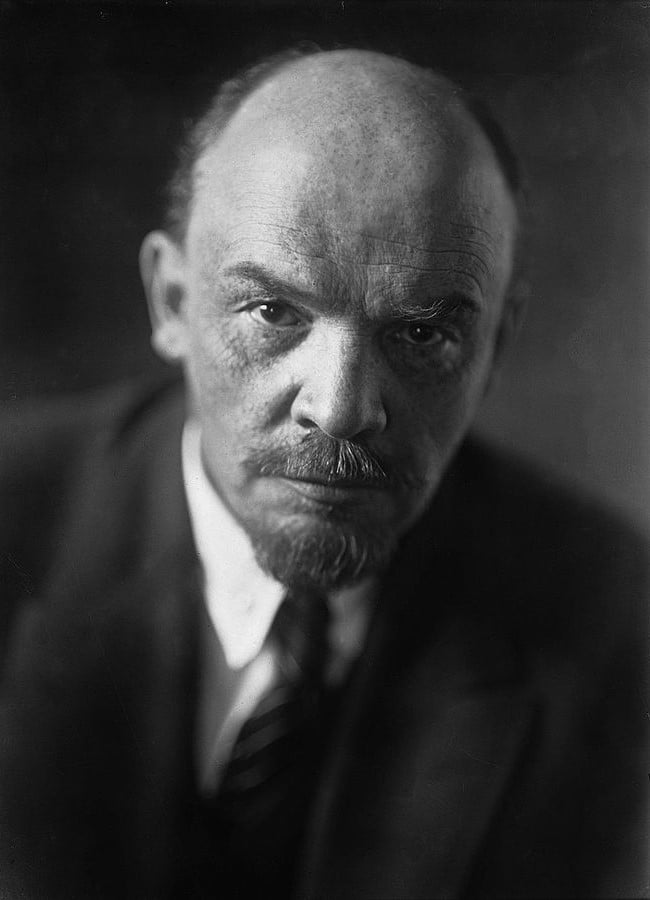
"...The Soviet state admits foreign representatives under the pretext of assistance, yet these representatives help overthrow Soviet power — and there have been examples of this. We will not find ourselves in the position of such a state because we will value and make use of an institution like the Cheka. This we can guarantee to everyone and anyone." - V.I. Lenin, speech at the 9th All-RussianCongressofSoviets,1921
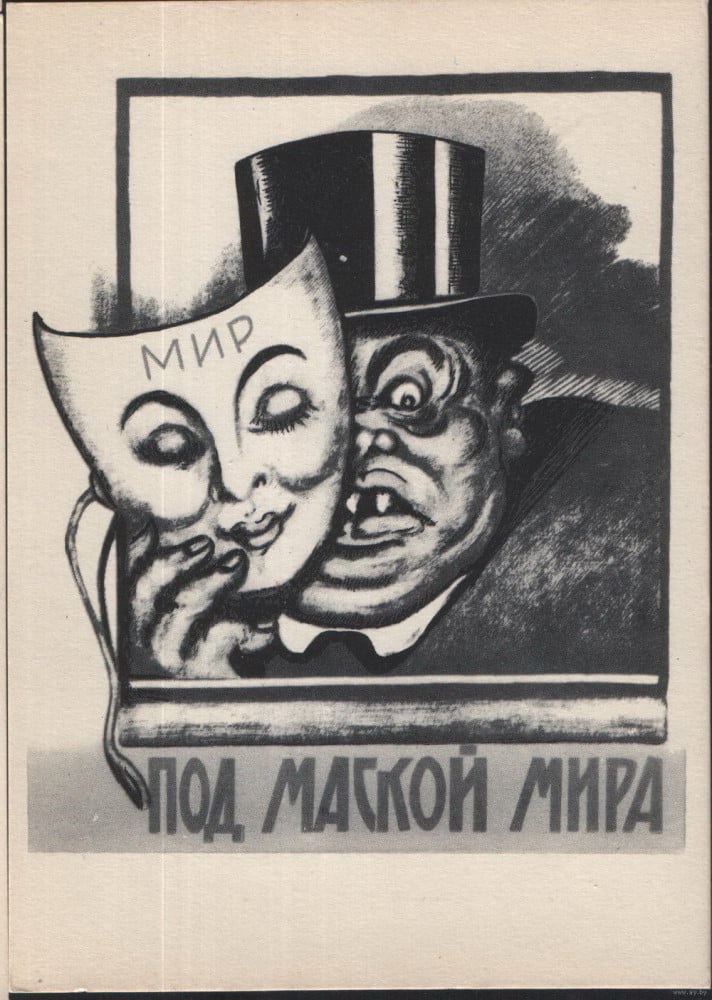
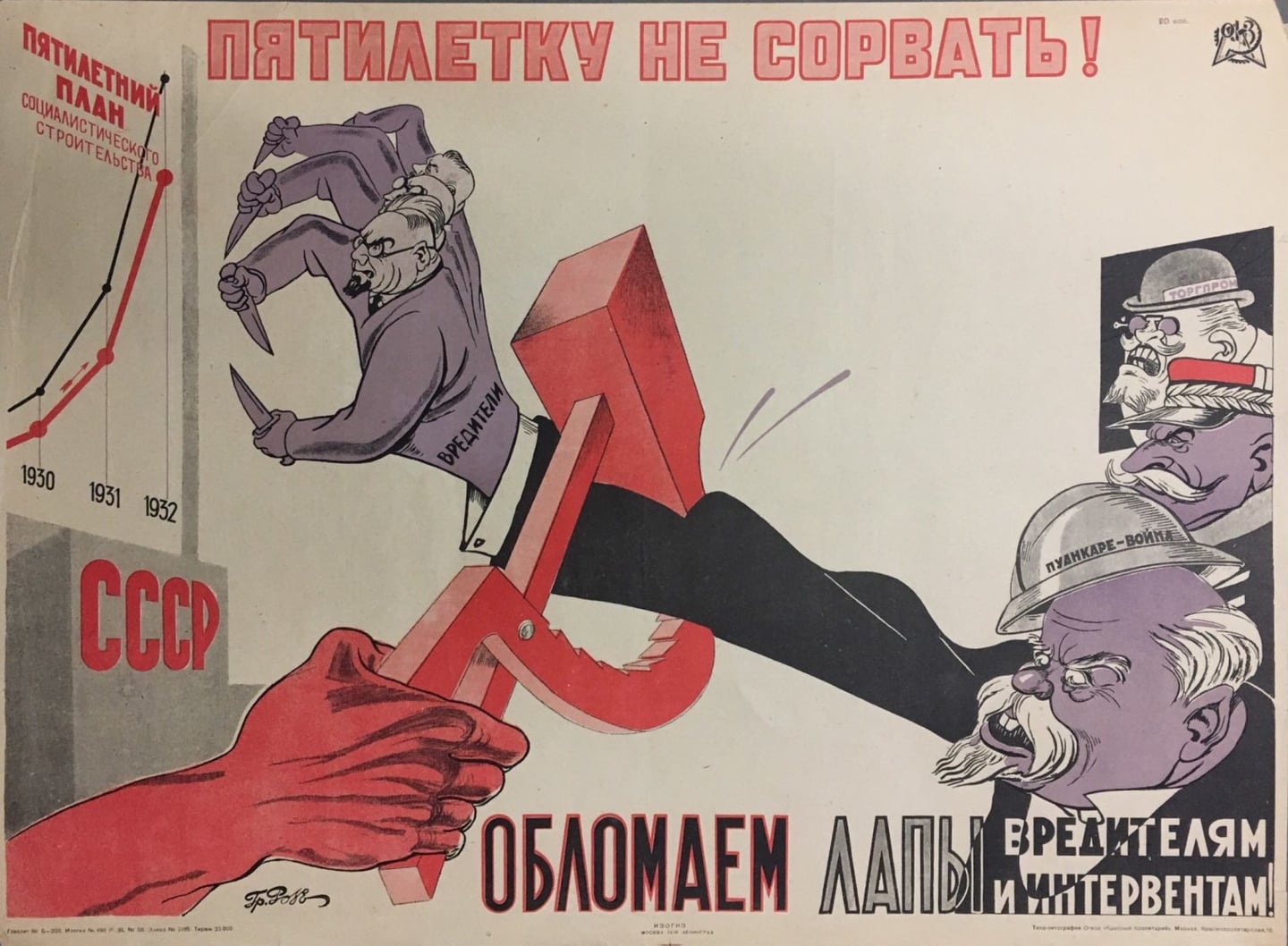
After the Civil War ended and the intervention was defeated, Soviet Russia found itself internationally isolated, managing to break out of that isolation only by 1925. The gradual restoration of diplomatic relations with Western countries did not mean they had given up deliberate attempts to damage the USSR – through propaganda, espionage, or sabotage.
The most active efforts in this regard were made by Great Britain. In its subversive work against the USSR, British intelligence made extensive use of the intelligence services of Finland, Estonia, Latvia, and Poland – economies that were to a large extent dependent on British capital.
In early 1928, the Office of the Prosecutor General of the Ukrainian SSR uncovered a large spy network established by the Polish General Staff among Baptist communities. Another Baptist spy organization was uncovered in 1929 in Belarus.
In 1925, during Operation Trust, the OGPU succeeded in arresting the experienced British intelligence officer Sidney Reilly. Under interrogation, he testified that he had come to the USSR “…with the specific purpose of organizing terrorist assassinations, arson, and uprisings.”
After Japanese occupation forces withdrew from the Soviet Far East in October 1922, Japanese consulates continued to operate in Blagoveshchensk, Khabarovsk, Vladivostok, and other cities. Under their cover, intelligence was gathered by both legal and illegal methods. In March 1924, a Japanese intelligence network was uncovered in Vladivostok; it maintained several safe houses in the city and was subsidized by the Japanese War Ministry.
German intelligence also became more active from the mid-1920s.As early as 1924, a member of its organization, Baumann, was arrested in Moscow after entering the USSR disguised as a German communist political emigrant to prepare terrorist acts.