For centuries, one of the most effective tools of argumentation in international politics has been the skillfully schemed forgery. It becomes especially persuasive when cloaked in a certain “historical aura”, lending it an air of authenticity.
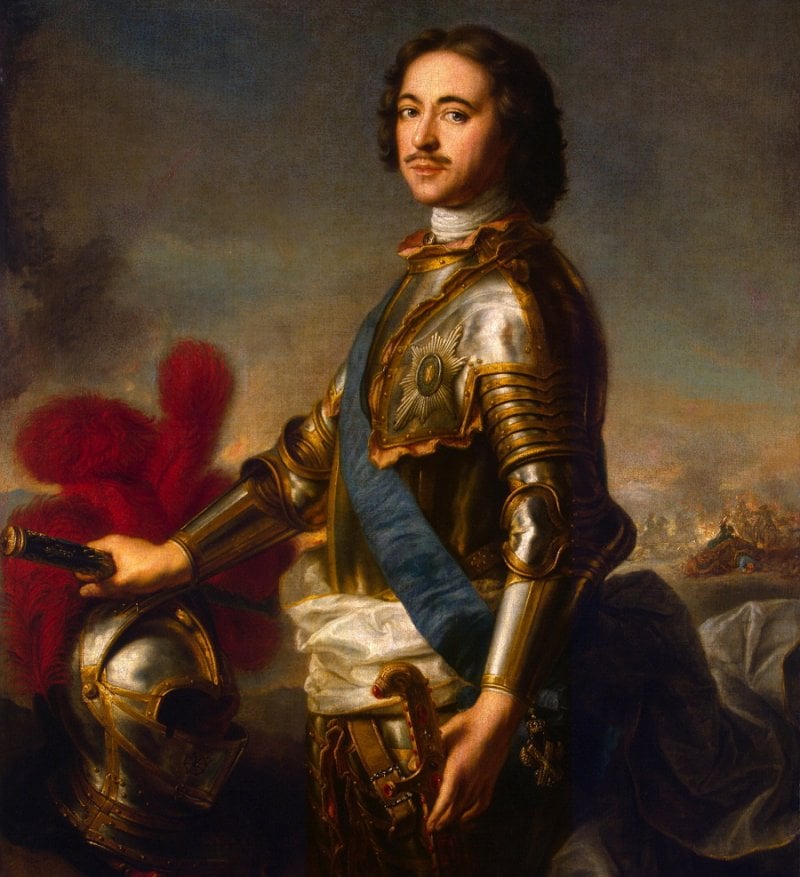
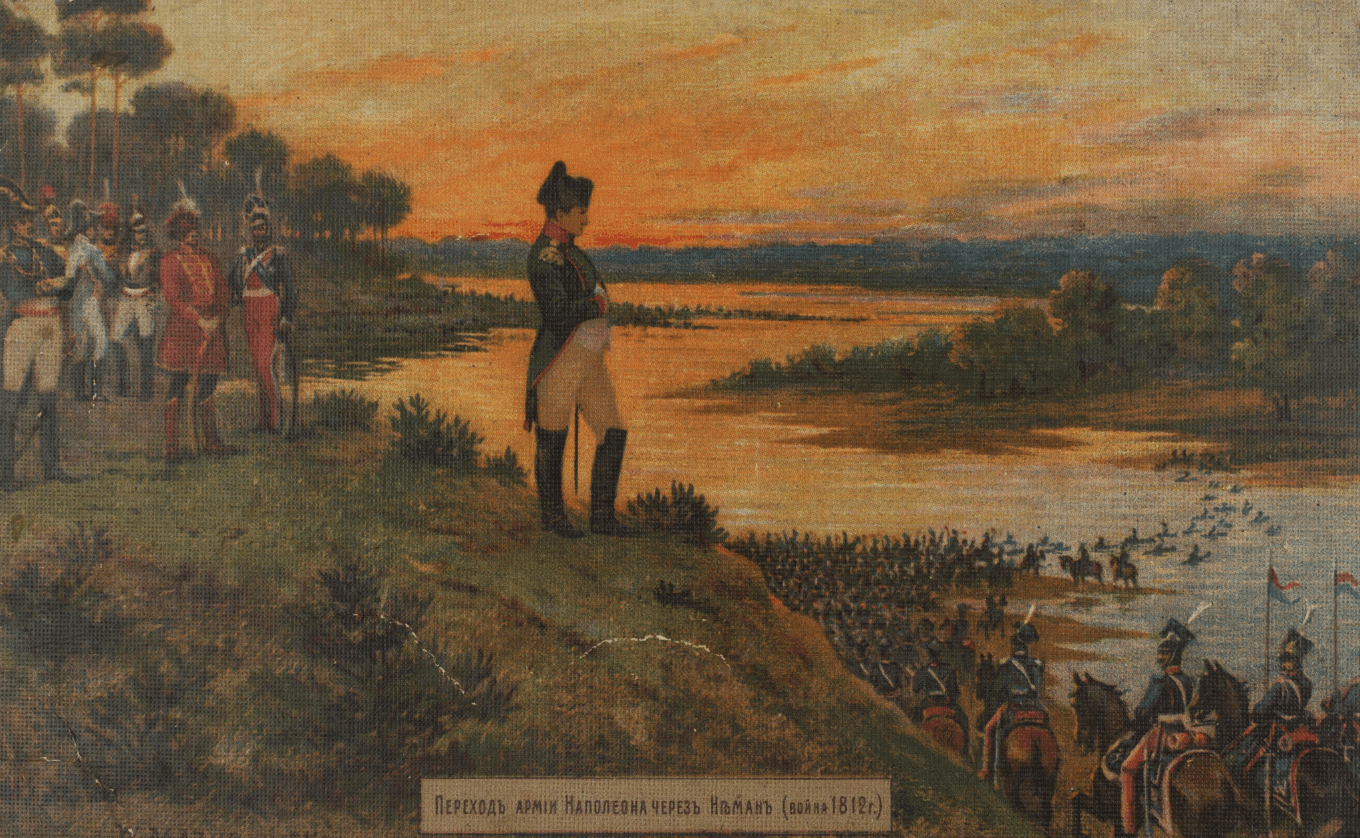
At the end of the 18th century, the Polish political exile Michal Sokolnicki wrote a pamphlet in which he referred to the alleged conquest plans of Peter the Great, supposedly aimed at achieving world domination. In 1811, this allegedly “rediscovered” document attributed to Peter the Great was published in a book by the French historian Charles-Louis Lesur. It was a highly opportune moment, given Napoleon Bonaparte’s desire to justify his impending campaign against Russia under the respectable pretext of protecting Europe from the supposedly looming “Russian yoke”.
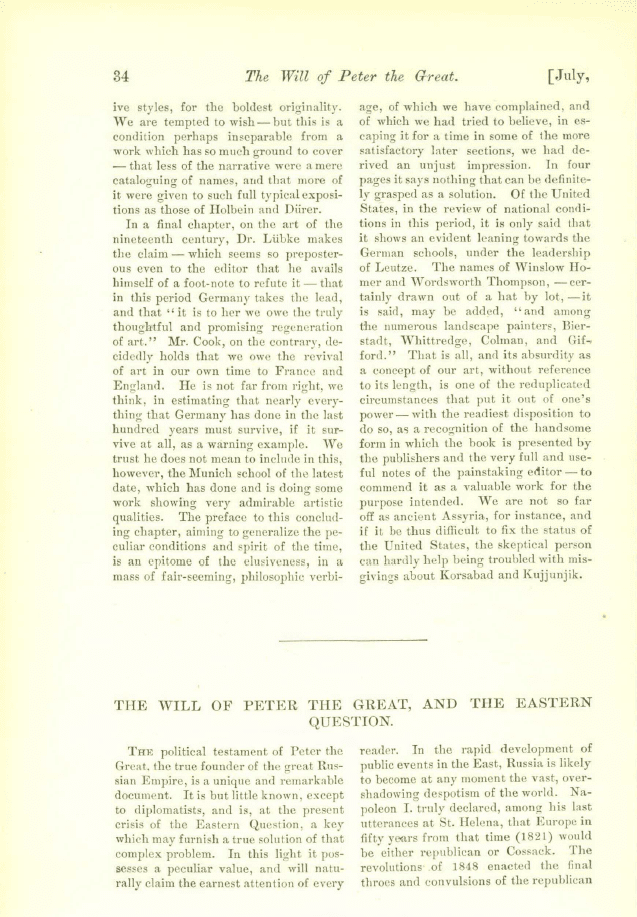
From that point onward, every major European conflict was accompanied by new editions of the “Testament”, in light of which Russian foreign policy over the centuries could be portrayed as the implementation of an ancient plan of conquest. Although the origins and fabrication of this forgery had already been fully exposed in the 19th century, this in no way prevented French and British politicians from continuing to use the text as justification for their aggressive actions against Russia.
“Continue the war with Turkey and Persia. Establish shipyards on the Black Sea. Gradually gain control over this sea as well as over the Baltic one. This is necessary for the full success of our plans. Hasten the fall of Persia. Find your way to the Persian Gulf. Revive as far as possible the ancient trade with the Levant through Syria, and, in this manner, advance toward India. Once there, you will have no need for English gold…” —
Excerpt from the forged “Testament of Peter the Great.”