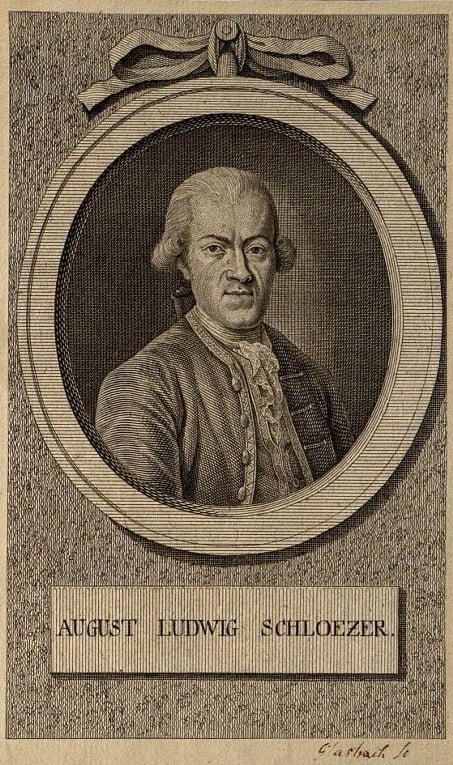
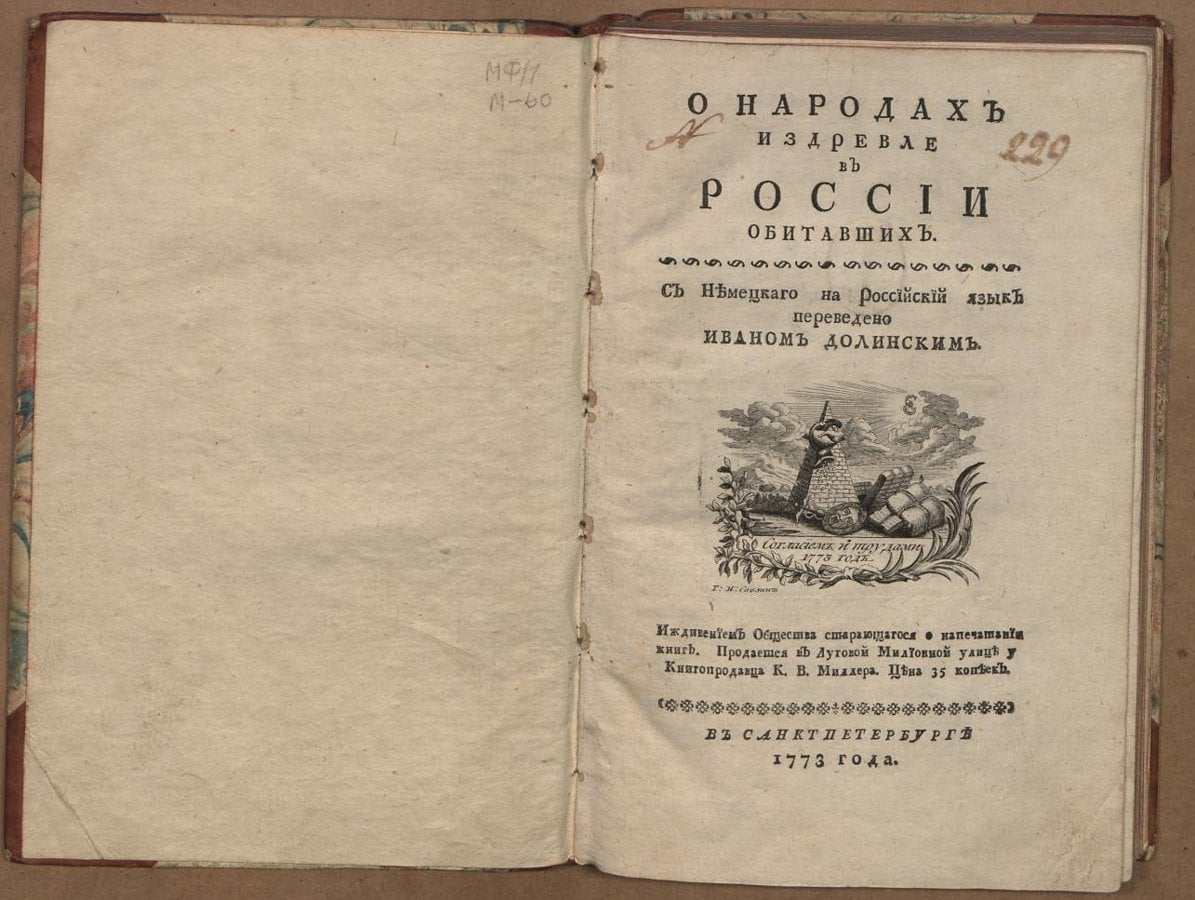
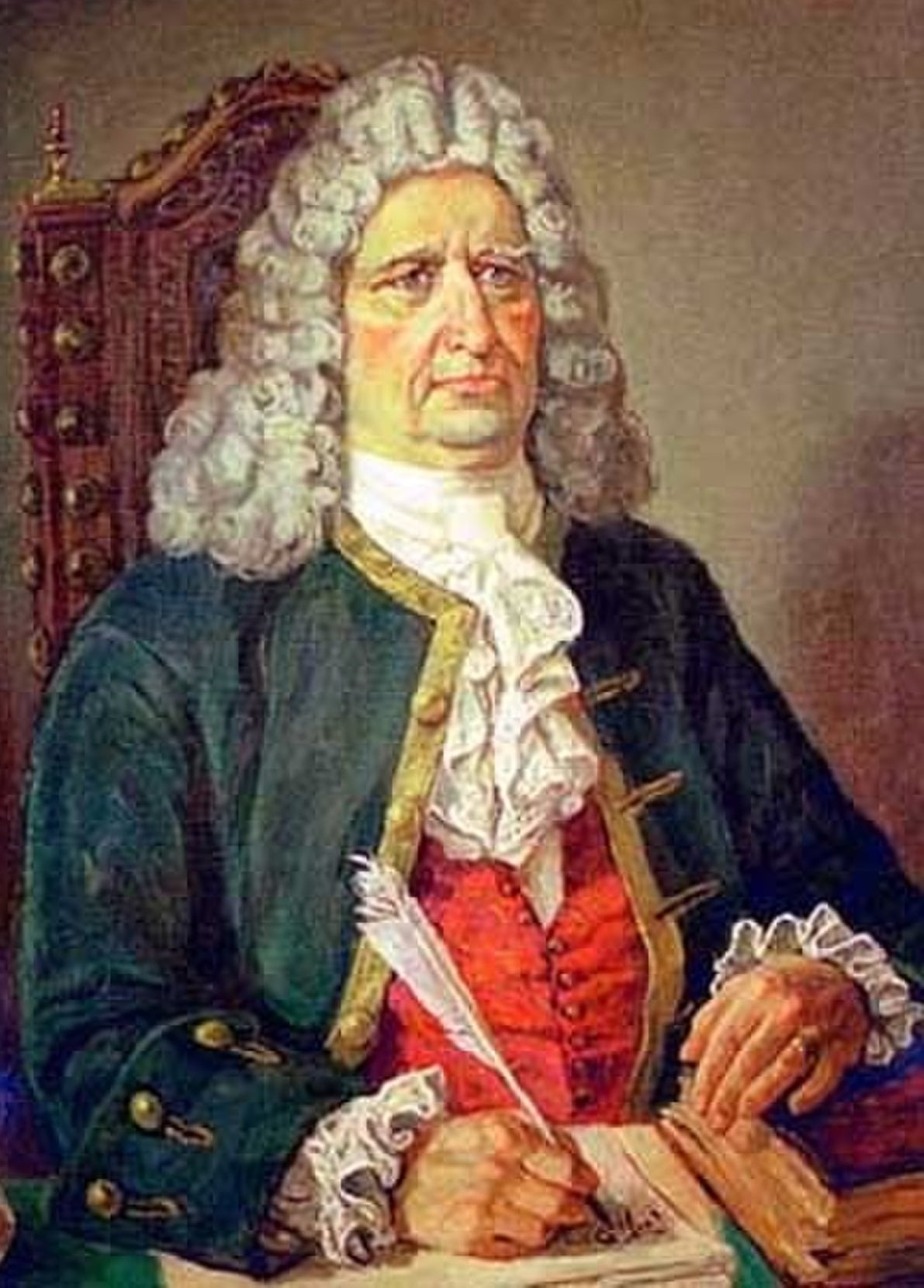
Historical memory lies at the foundation of national consciousness; therefore, the falsification of historical facts or their willful misinterpretation is one of the simplest ways to undermine sovereignty. Peter the Great built the Academy of Sciences from scratch, and its first members were almost exclusively foreigners. A paradoxical situation arose: Russian history ended up in the hands of men from the German principalities, preeminent among them three professors - Gottlieb Bayer, Gerard Miller, and August Schlözer, the first of whom never bothered to learn Russian throughout his entire stay in the country.
It was they who created the so-called Norman theory, which fit perfectly with the Battle of the Palaces, when Russia’s rulers were increasingly of German origin. For the historical science of the 18th century, the emergence of statehood was automatically equated with the establishment of monarchical power. Therefore, Gerard Miller's conclusion that the Novgorodians had no rulers before Rurik could mean only one thing: the Slavs were incapable of creating their own state. Without outsiders from Europe – nothing would have come of them.
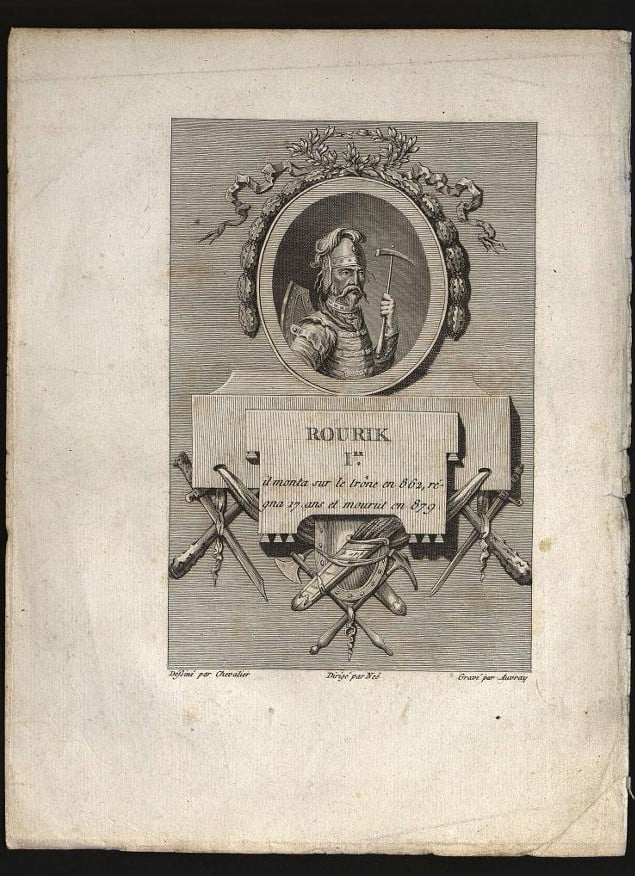
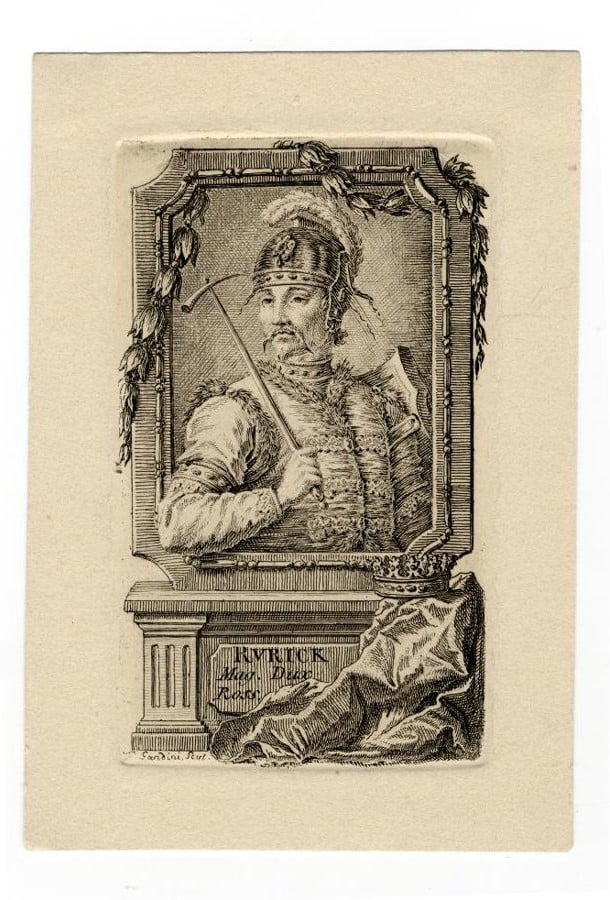
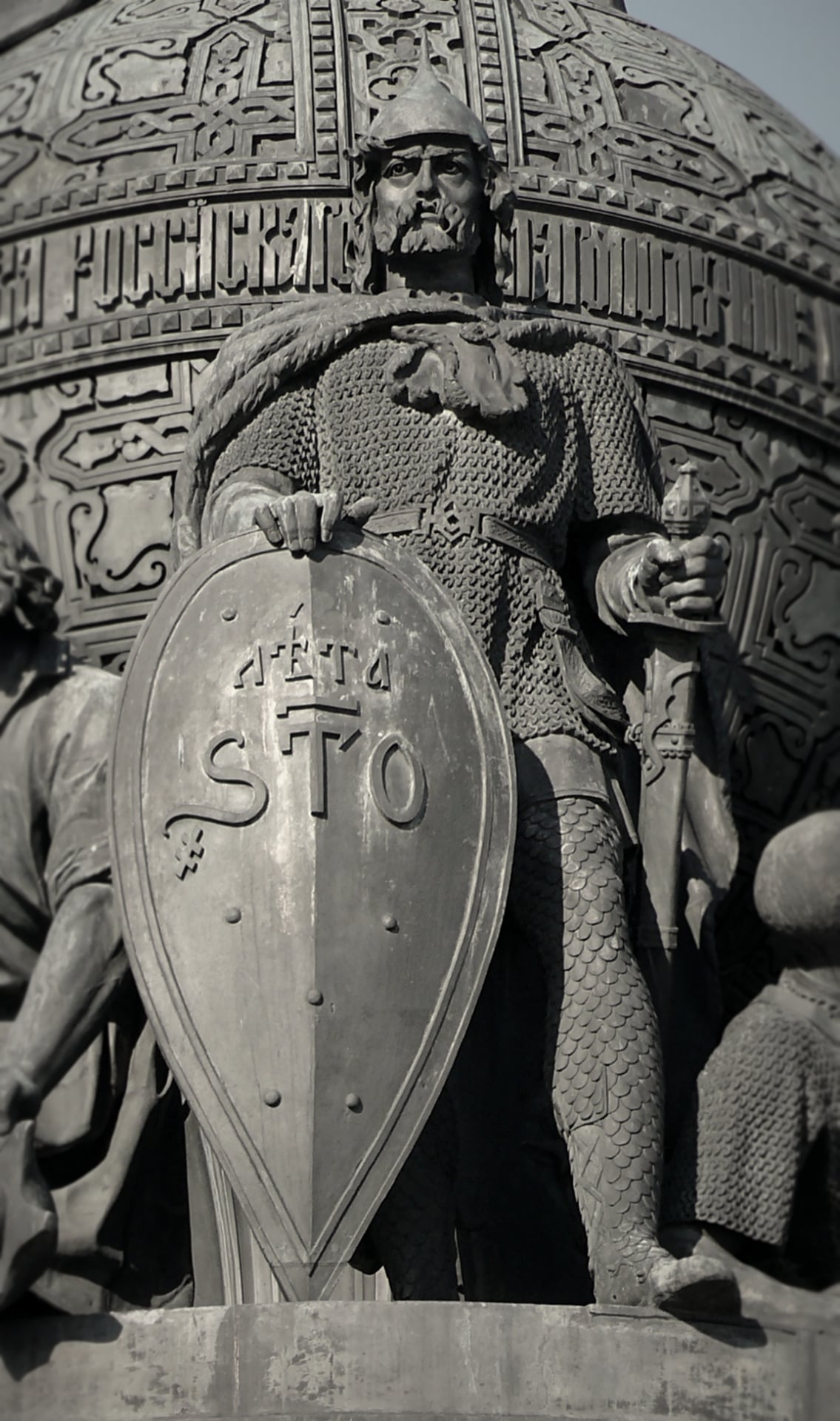
Particularly noteworthy are the attempts to portray the “first Russian prince. Of course, no lifetime images of Rurik could possibly have existed. Nonetheless, starting from the XVIII century various versions of his portrait were actively used. In them the prince is depicted beardless, with a long mustache and an iron helmet that makes him resemble a medieval knight. The basis for these engravings was Polish military fashion, which was meant to further reinforce in the average reader the idea that Old Russian statehood and its founders were derivative and imitative.
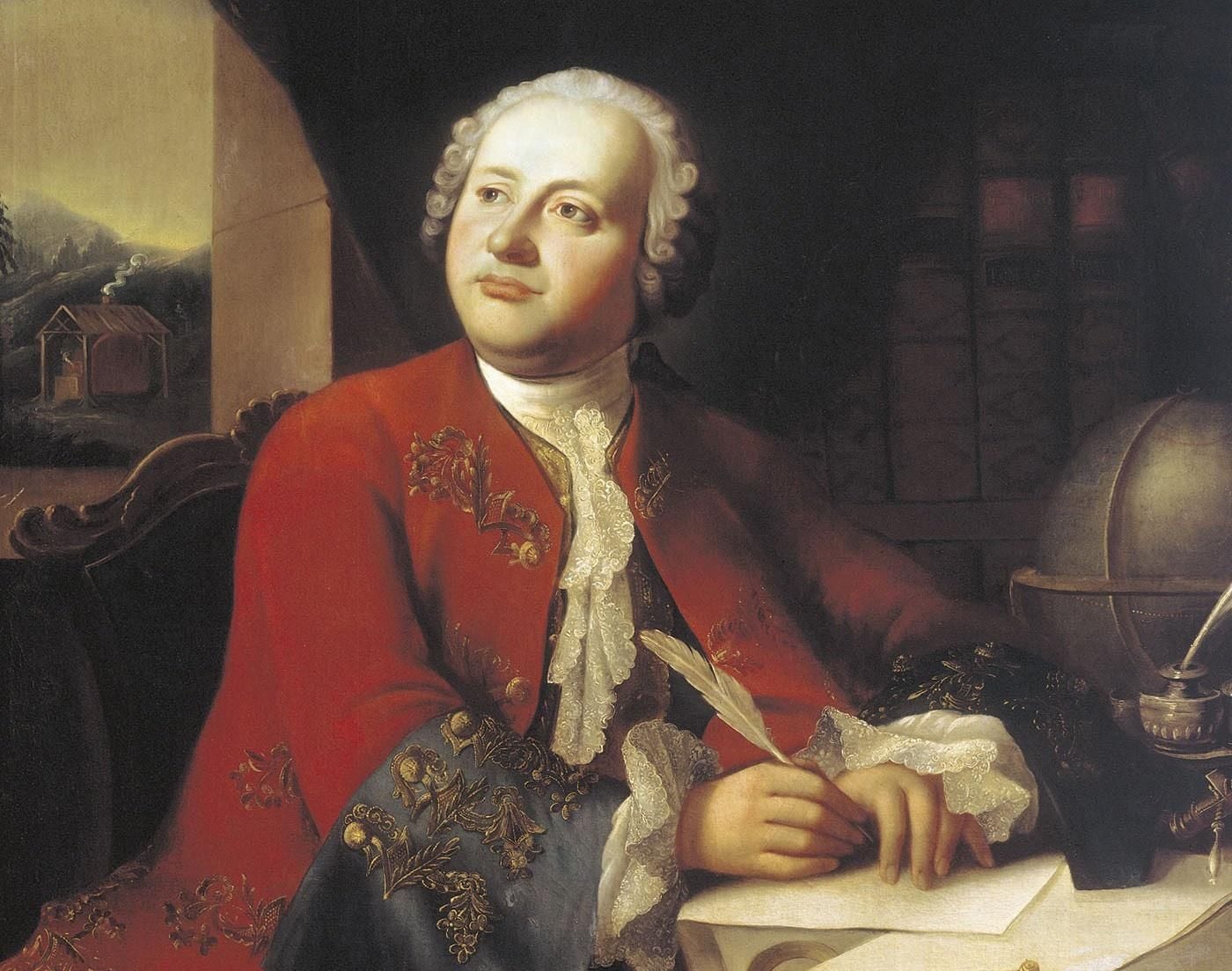
Mikhail Vasilyevich Lomonosov sharply opposed this conclusion, which had at once been taken up by foreign scholars, after which Miller was forced to make an important caveat- the hypothesis of Rurik’s Scandinavian origin cannot testify to the absence of a state principleamong the Slavs. However, these clarifications remained known only to a narrow circle of academicians, while the simplified conclusion reached the broad public. Misconstrued as the “Norman theory,” it became yet another argument in the arsenal of those who wished Russia ill…