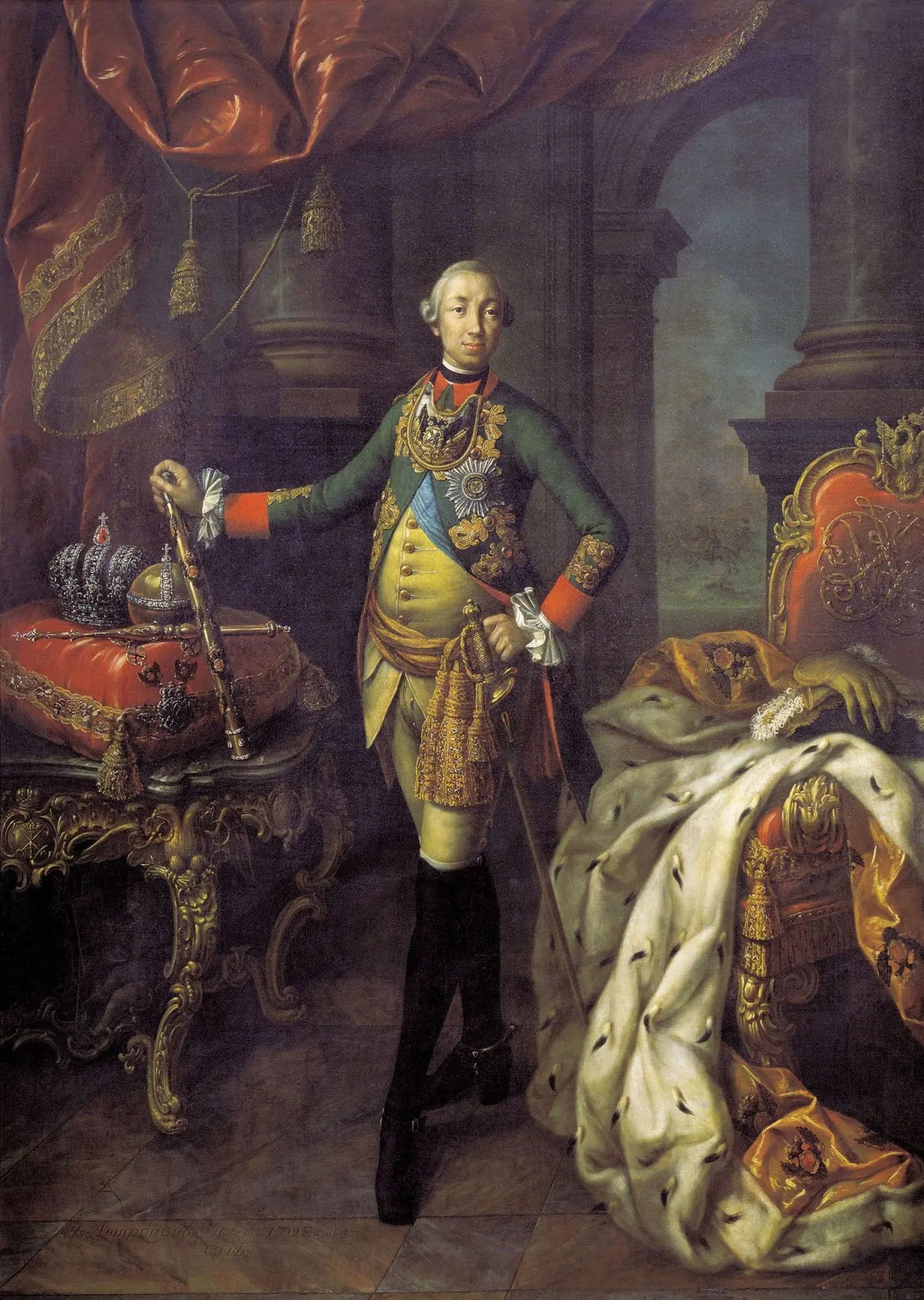
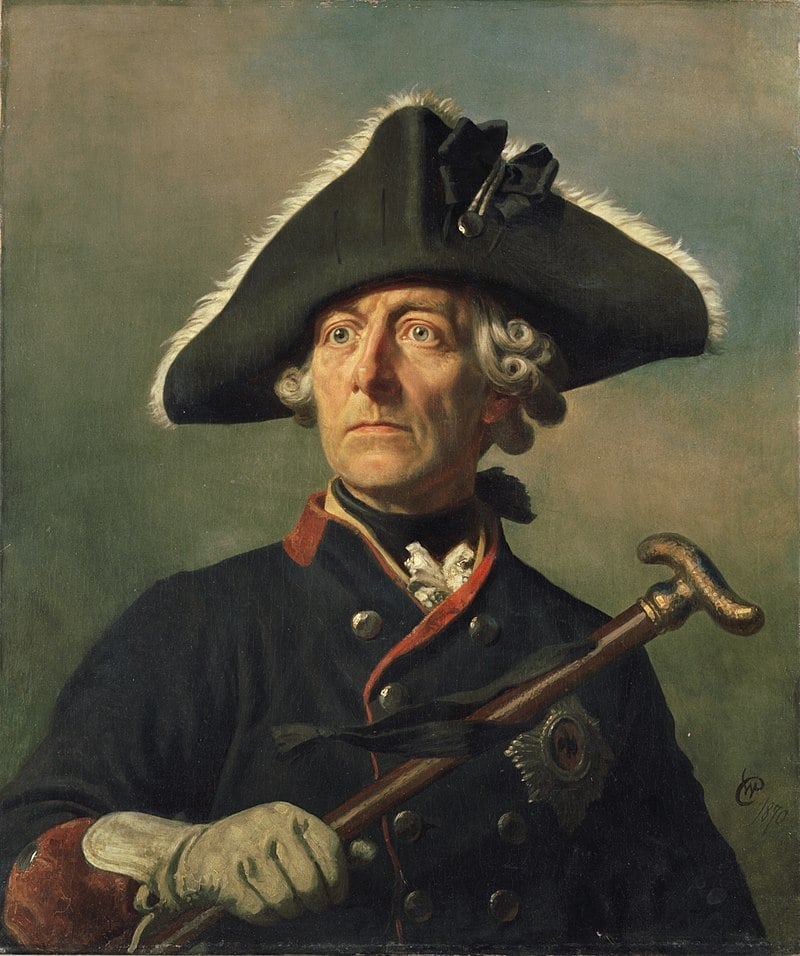
By cutting a “window to Europe”, Peter the Great significantly strengthened Russia's position in the world. However, by doing so, he opened a real Pandora’s box. Among all of the honest professionals, who came to Saint Petersburg to serve the Russian Empire, were lots of opportunists. Some pursued purely personal goals, while others fulfilled orders of governments hostile to Russia. If during the Time of Troubles period the main goal was to annex land, in the Petrine era the focus shifted to ensuring that Russia conduct its foreign policy in a manner imposed by other governments. For example, the “timely” accession of Peter III to the Russian throne in 1761 resulted in all of Russia’s gains from the Seven Years’ War being returned to Prussia, led by King Frederick II — the idol of the young Russian Emperor, who was, moreover, of half-German descent.
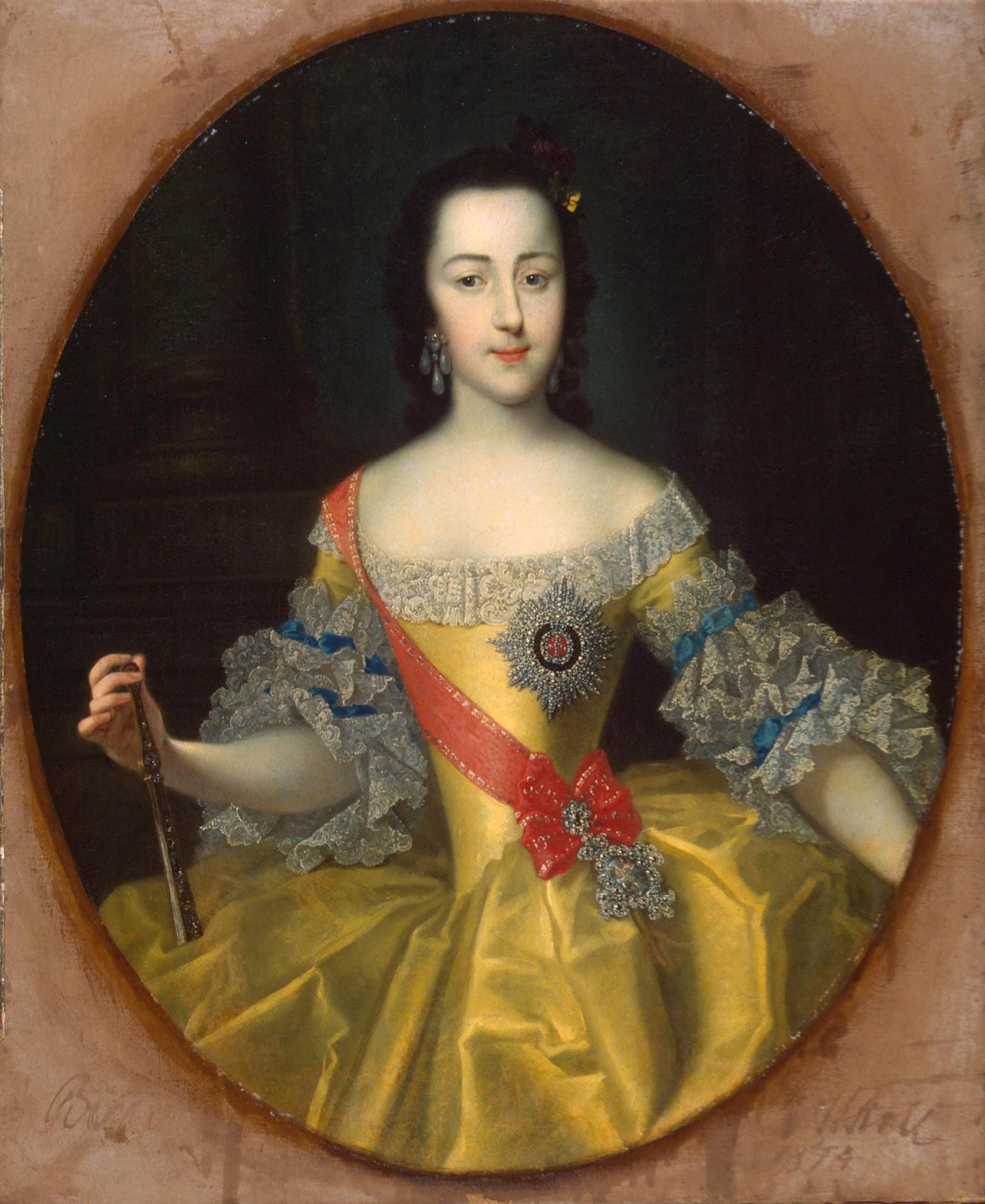
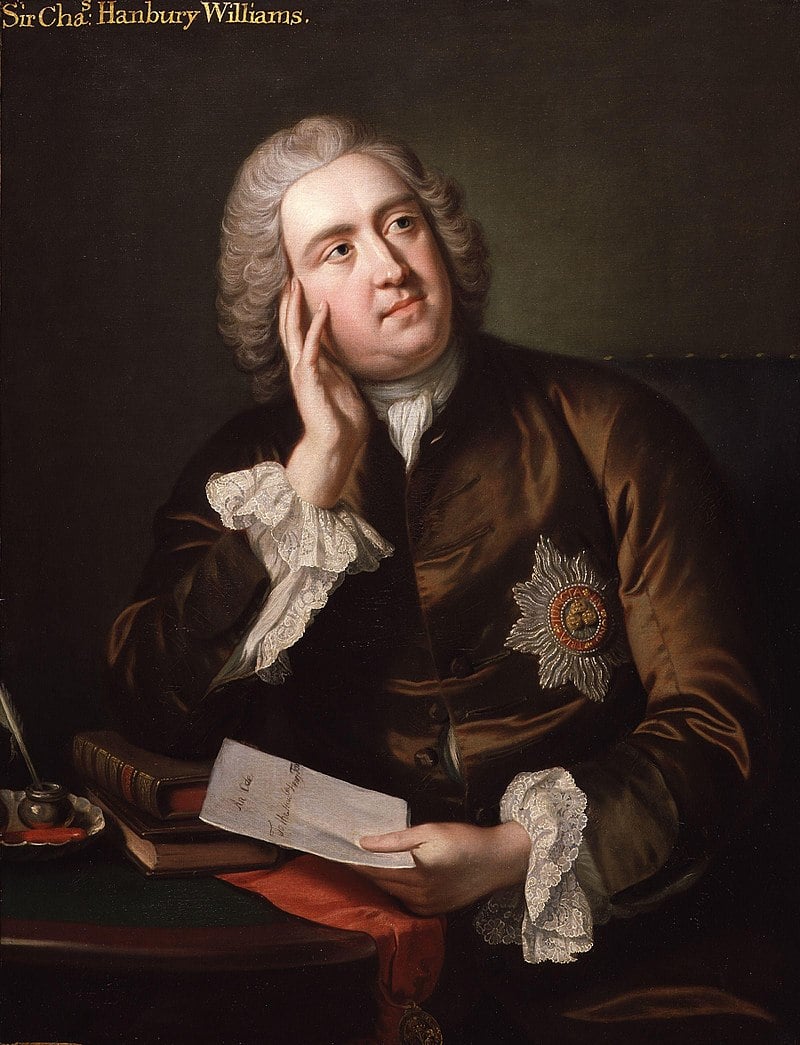
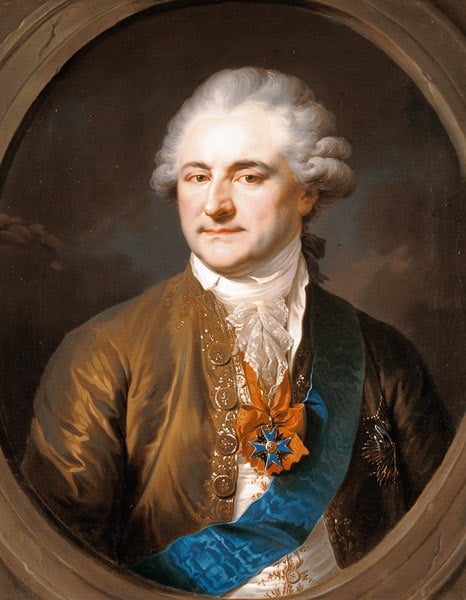
At the same time, an experienced British diplomat, Sir Charles Hanbury Williams, was cultivating a close relationship with the wife of Peter III — the future Empress Catherine II. He not only managed to introduce his protégé, Stanisław Poniatowski, into the circle of the Grand Duchess’s favourites, but also provide her with substantial sums of money — naturally accompanied by political recommendations.
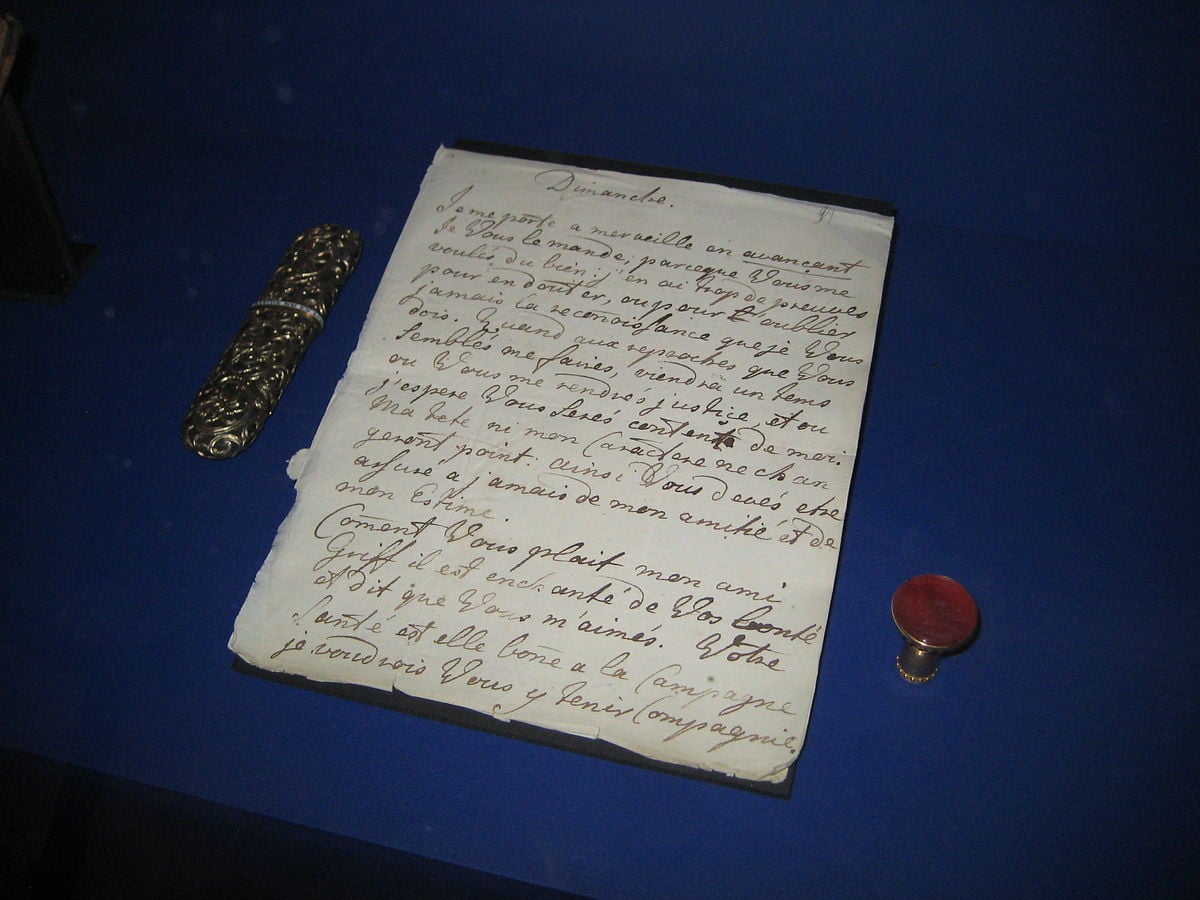
“…It is clear how much I owe to providence, which sent you here as a guardian angel in order to bind me to you in friendship. I know that you feel the same toward me. You will see that if I ever wear the crown, I shall in part owe it to you…”
From a letter by Grand Duchess Catherine Alexeyevna to the English ambassador Sir Charles Williams.
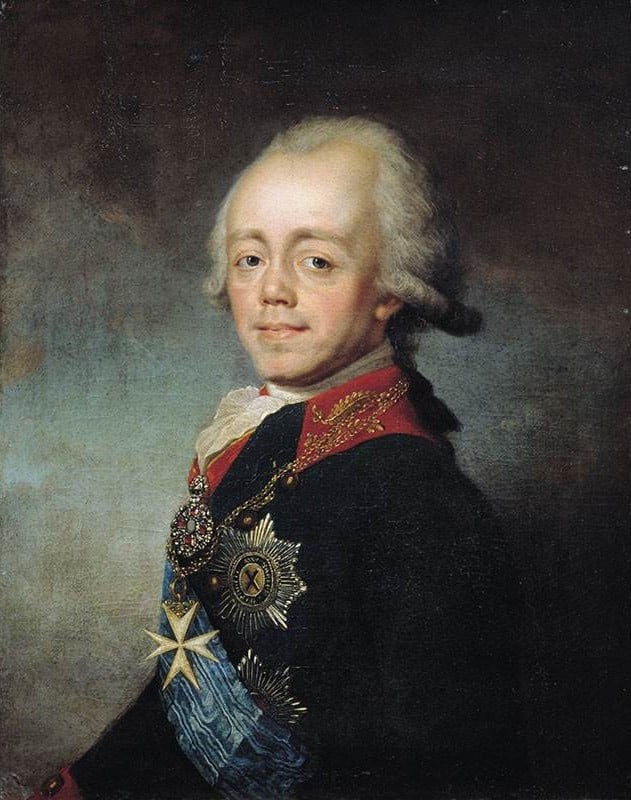
The Russian Empire, having expanded significantly in territory and become one of the world’s leading powers, became a tempting target for foreign interference. Even the death of Paul I, which brought the Battle of the Palaces to an end, fit remarkably ‘conveniently’ into the intricacies of European politics, coinciding with the Russian emperor’s desire to break off the alliance with England and enter into an alliance with revolutionary France.
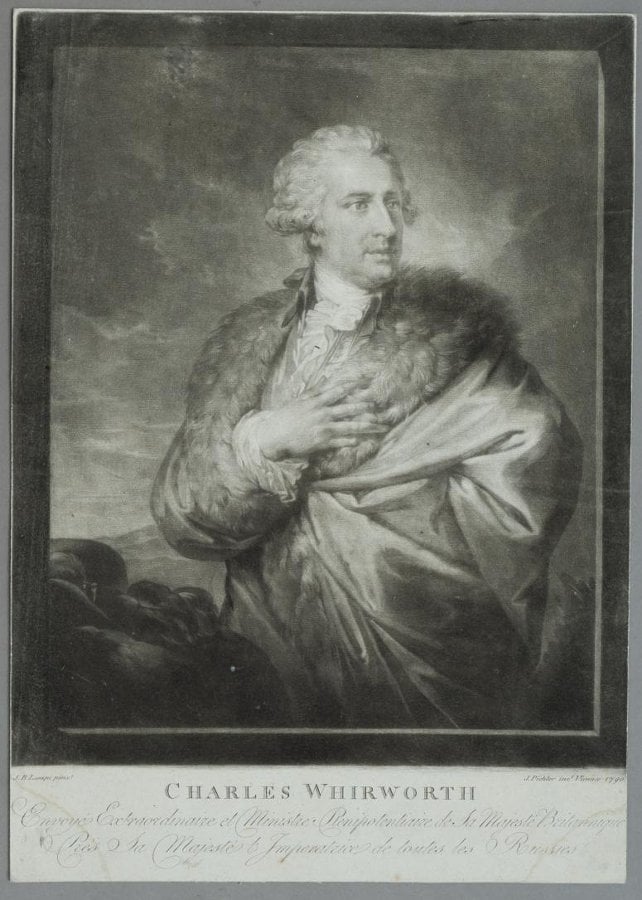
The alliance was meant to lead to a joint campaign against India, but circumstances intervened. In December 1800, an unsuccessful assassination attempt was made on Napoleon Bonaparte in Paris, while in March 1801, a successful one was carried out against Paul I in Saint Petersburg. “The English ambassador in Saint Petersburg, Charles Whitworth, could have given useful advice in this matter to his close friend Nikita Panin”, - a contemporary, the Saxon ambassador Rosenzweig noted in his memoirs. In September of the same year, a peace treaty with England.
In September of the same year, a peace treaty with England was signed by the new emperor Alexander I.