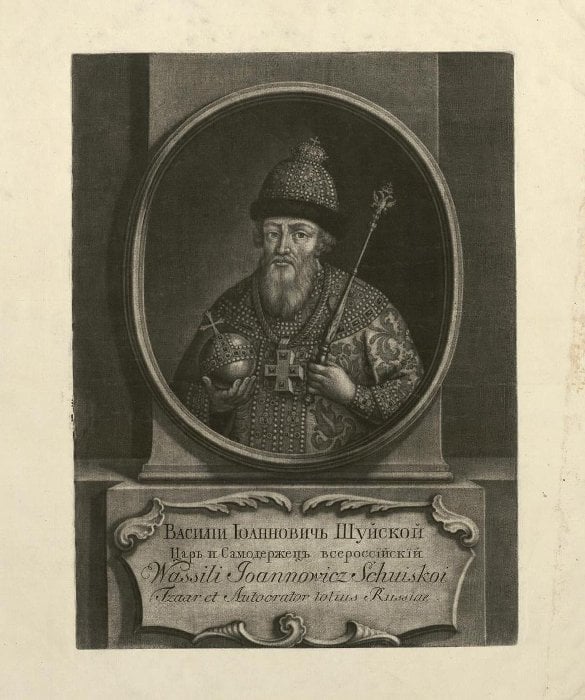
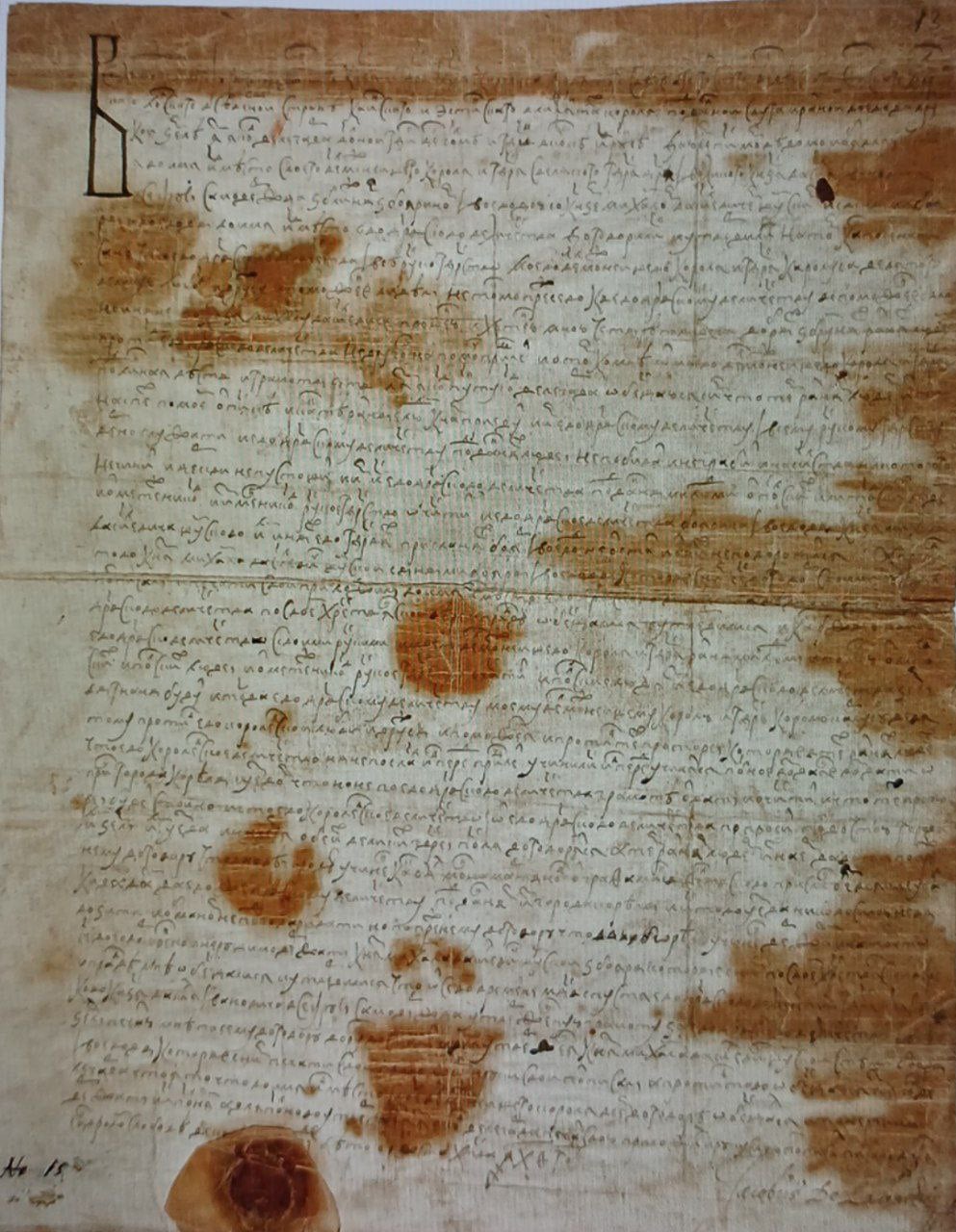
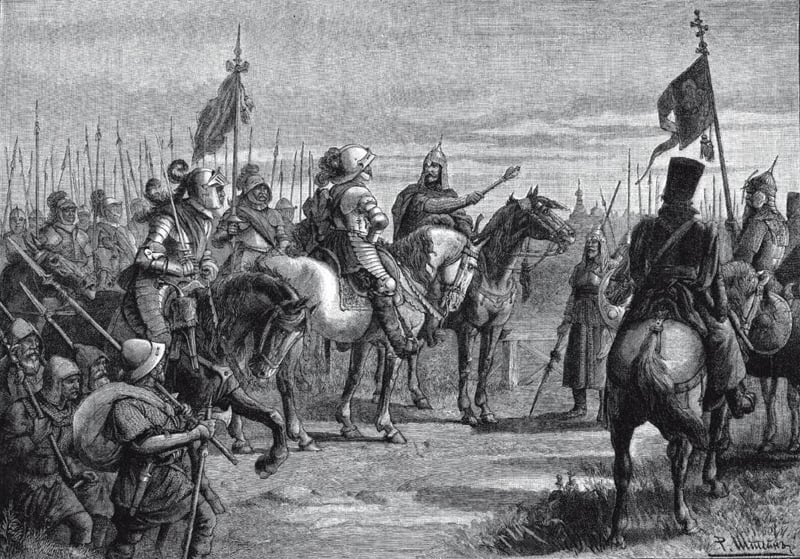
Is it possible to deceive another person? Usually almost everyone will say no. But is it possible to deceive an entire country, especially one that is in a difficult situation? Unfortunately, there is an example of such deception in Russian history. In 1609 in a tough condition of Polish intervention and the fight against impostors Vasily Shuisky’s Government signed a Treaty of Viborg with Sweden. Under those terms, the Swedish government provided a military corps to fight the Poles and, in return, was to receive the town of Corela and a cash payment.
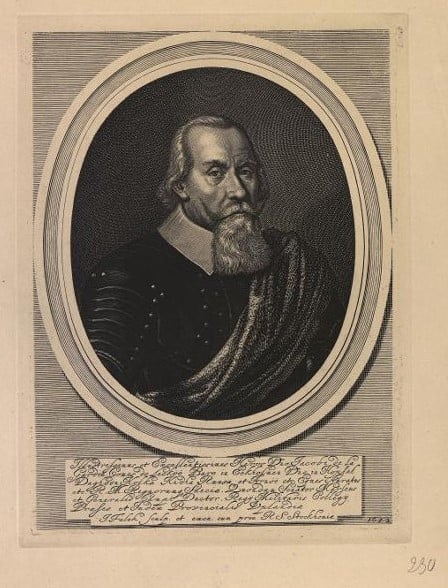
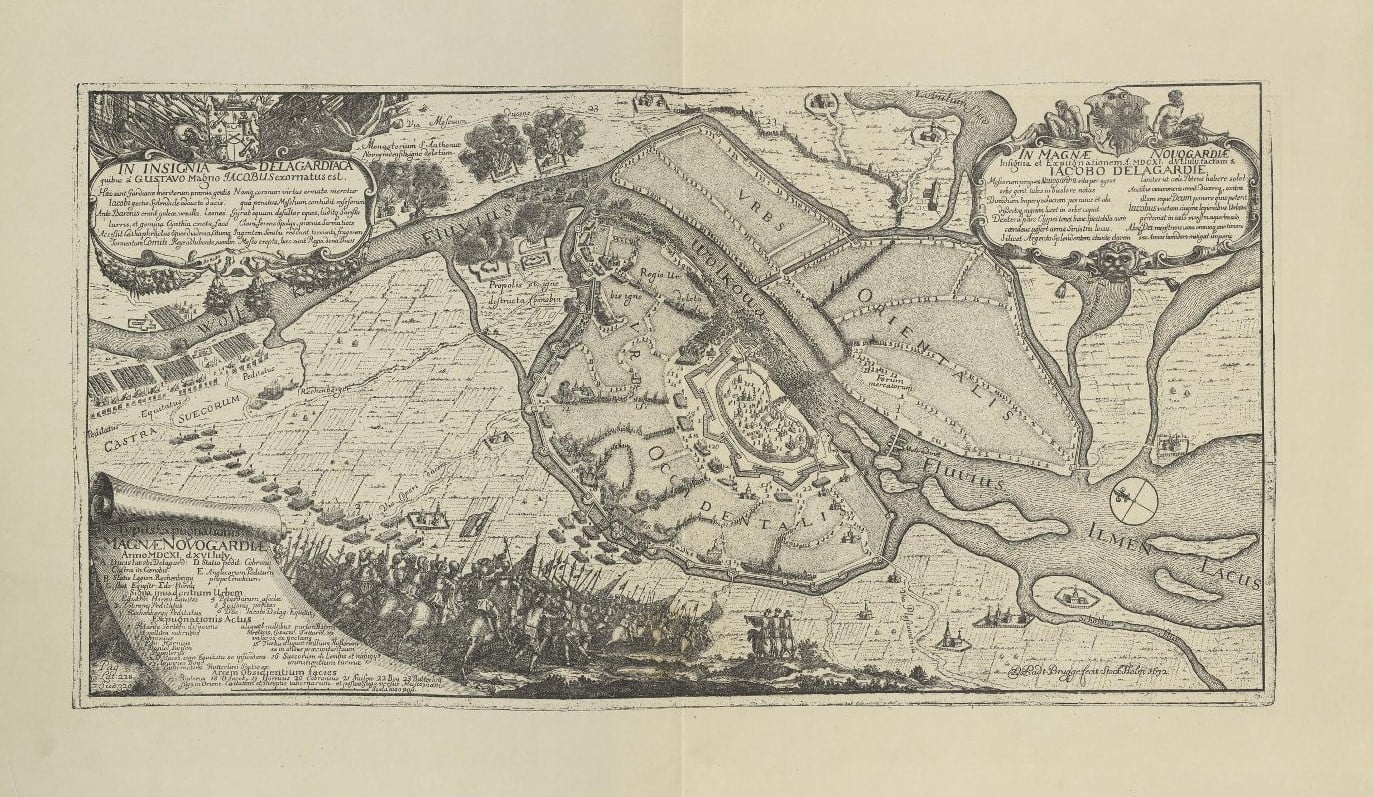
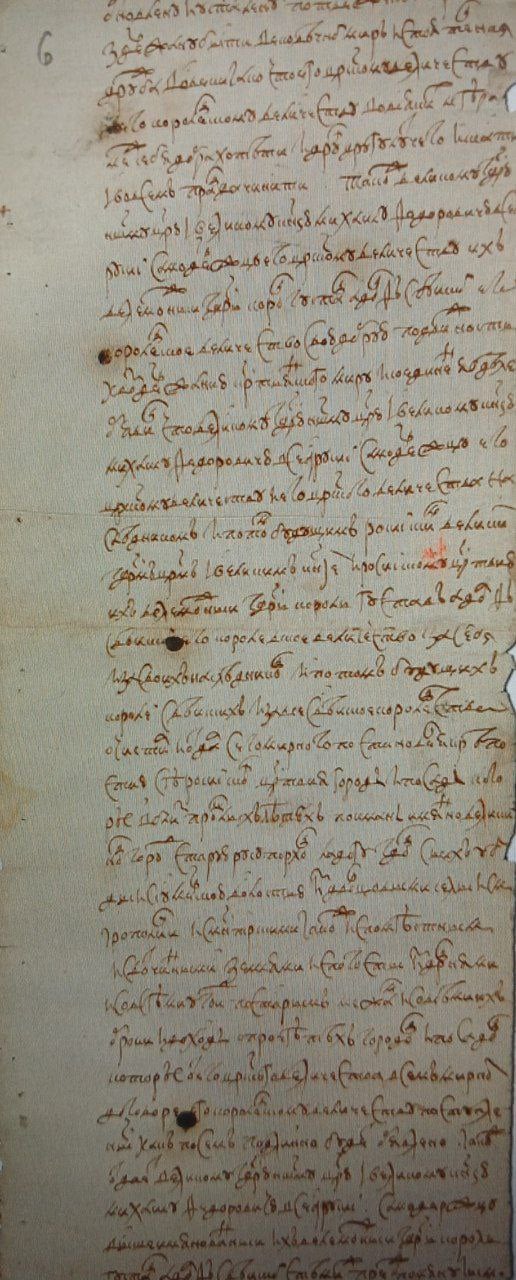
The Swedish involvement in the armed struggle amounted to several battles with mixed success. However, the slightest delay in payment led to unexpected consequences. In 1611, Swedish troops under the command of Jacob De la Gardie captured a number of Russian fortresses, including Novgorod. Technically, the existence of an independent “Novgorod state” was declared, but in fact it was under Swedish protectorate. The next step followed: a treaty was signed between the Novgorod State and Sweden, according to which the Swedish Prince Charles Philip became a claimant to the Russian throne. It wans’t until 1617 that the Treaty of Stolbovo was concluded, which liquidated the puppet state and returned Novgorod to Russia. Formally, Sweden never actually entered into war with Russia, but the Russian tsars had to deal with the consequences of their ill-chosen alliance for several more decades — until Peter the Great regained access to the Baltic Sea, which had been lost during the Time of Troubles.