Historians assign different dates to the beginning of the Time of Troubles. In the pre-Soviet period, the end of the Rurik dynasty was considered the key moment, while Soviet researchers attributed it to the surge of peasant uprisings due to the rise of serfdom. However, one of the most important factors in the onset of the Time of Troubles has always been recognized as the Polish-Lithuanian Commonwealth's attempt to install a ruler obedient to the Poles on the Russian throne, masquerading as Tsarevich Dmitry Ivanovich, who died tragically in Uglich in 1591.
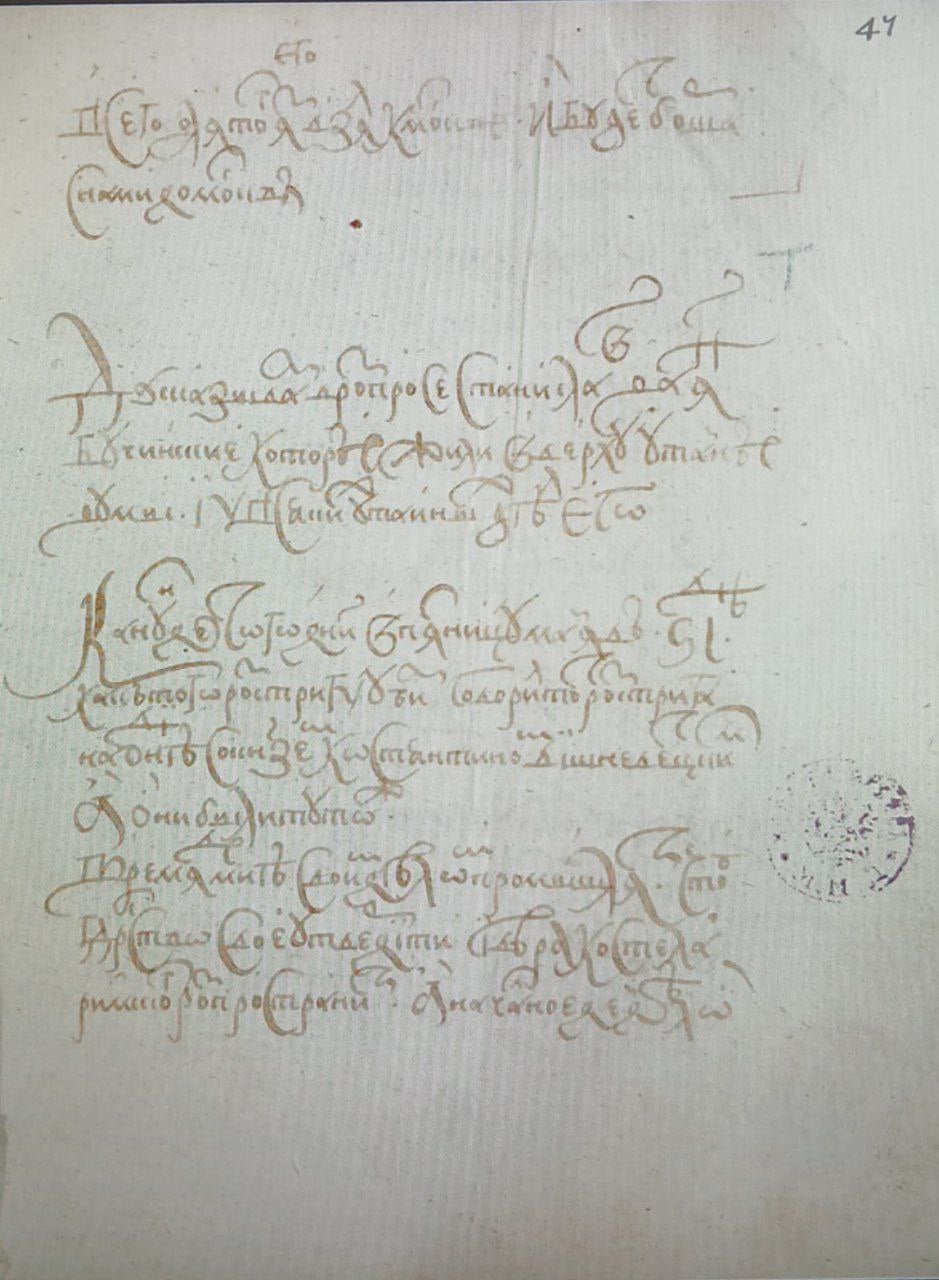
The German mercenary Konrad Bussow, in his "Moscow Chronicle," quotes the Polish commander Jan Sapieha: "We Poles, three years ago, placed on the Moscow throne a sovereign who was to be called Dmitry, the son of a tyrant, despite the fact that he was not one. Now we have brought a sovereign here for the second time and conquered almost half the country, and he must and will be called Dmitry, even if it drives the Russians mad..."
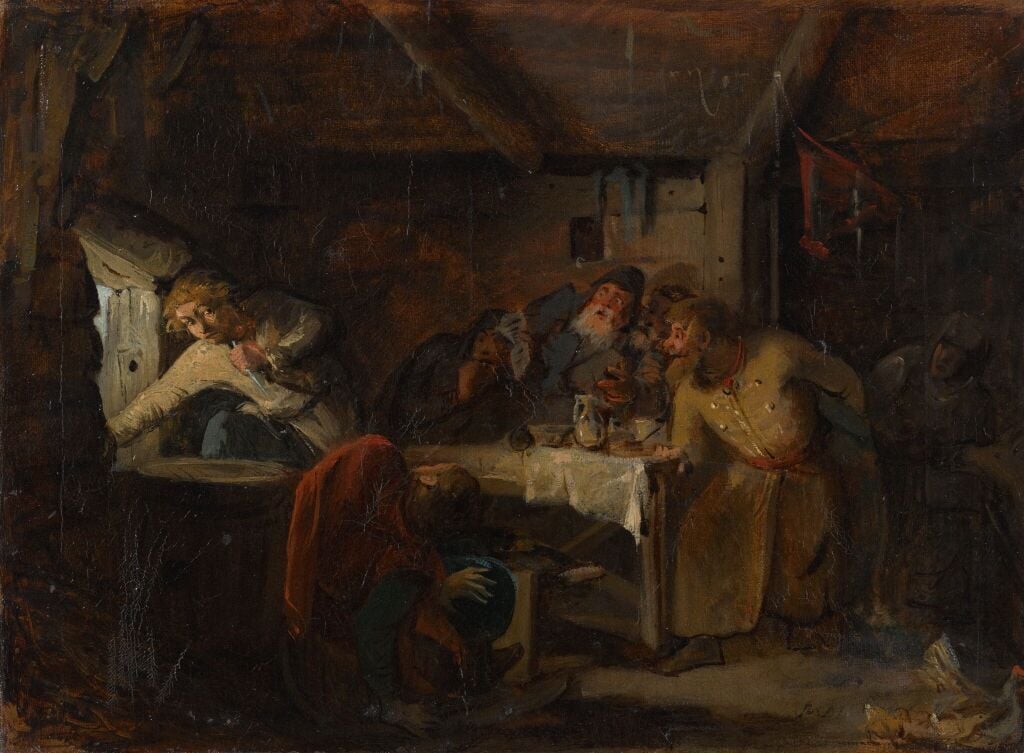
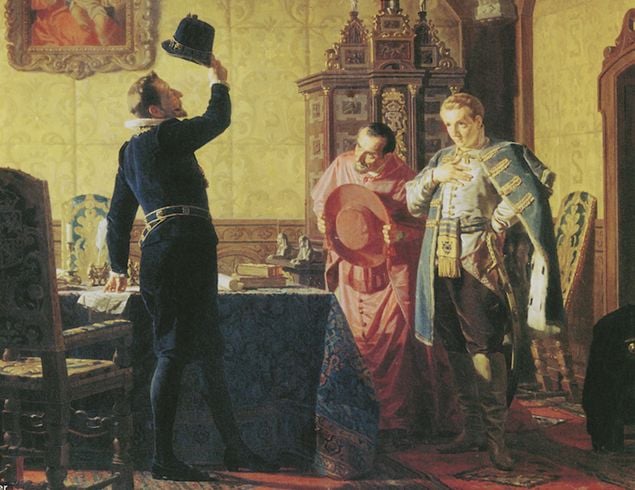
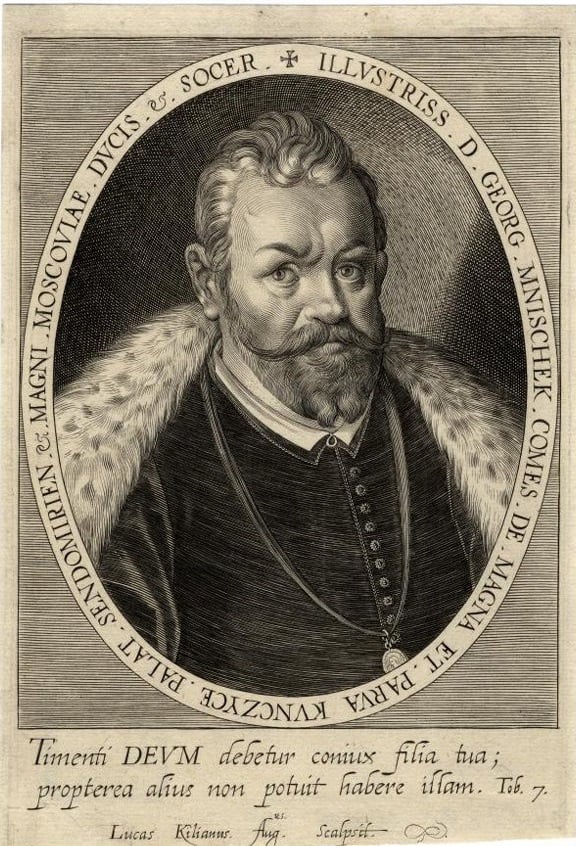
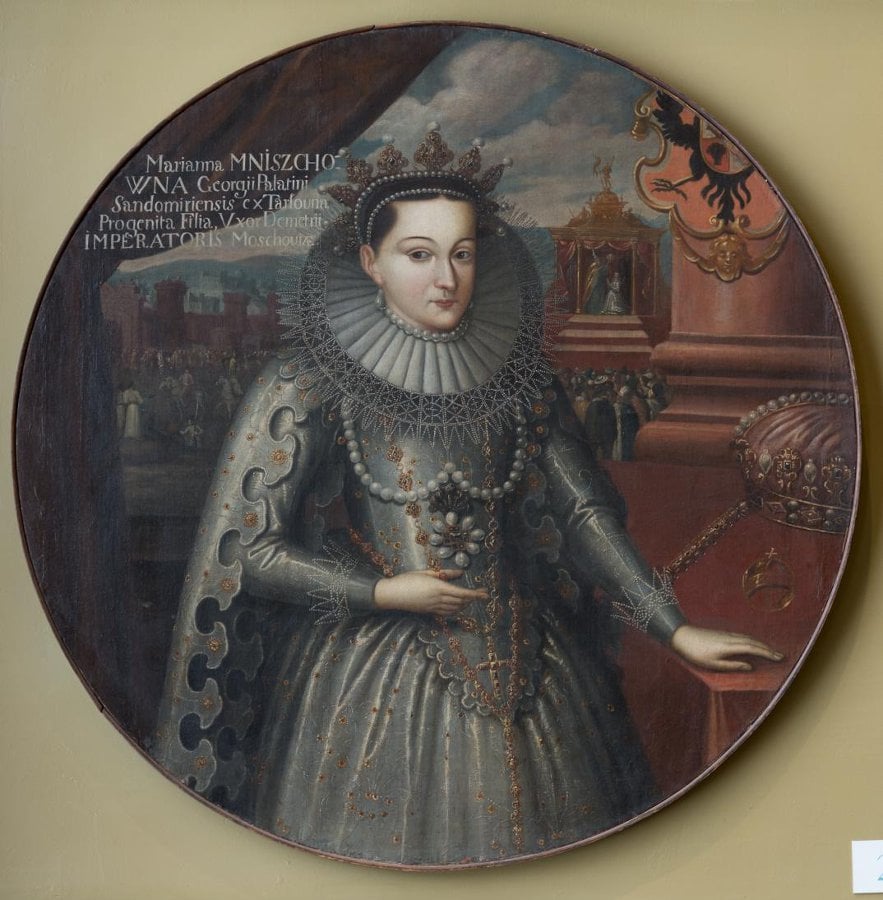
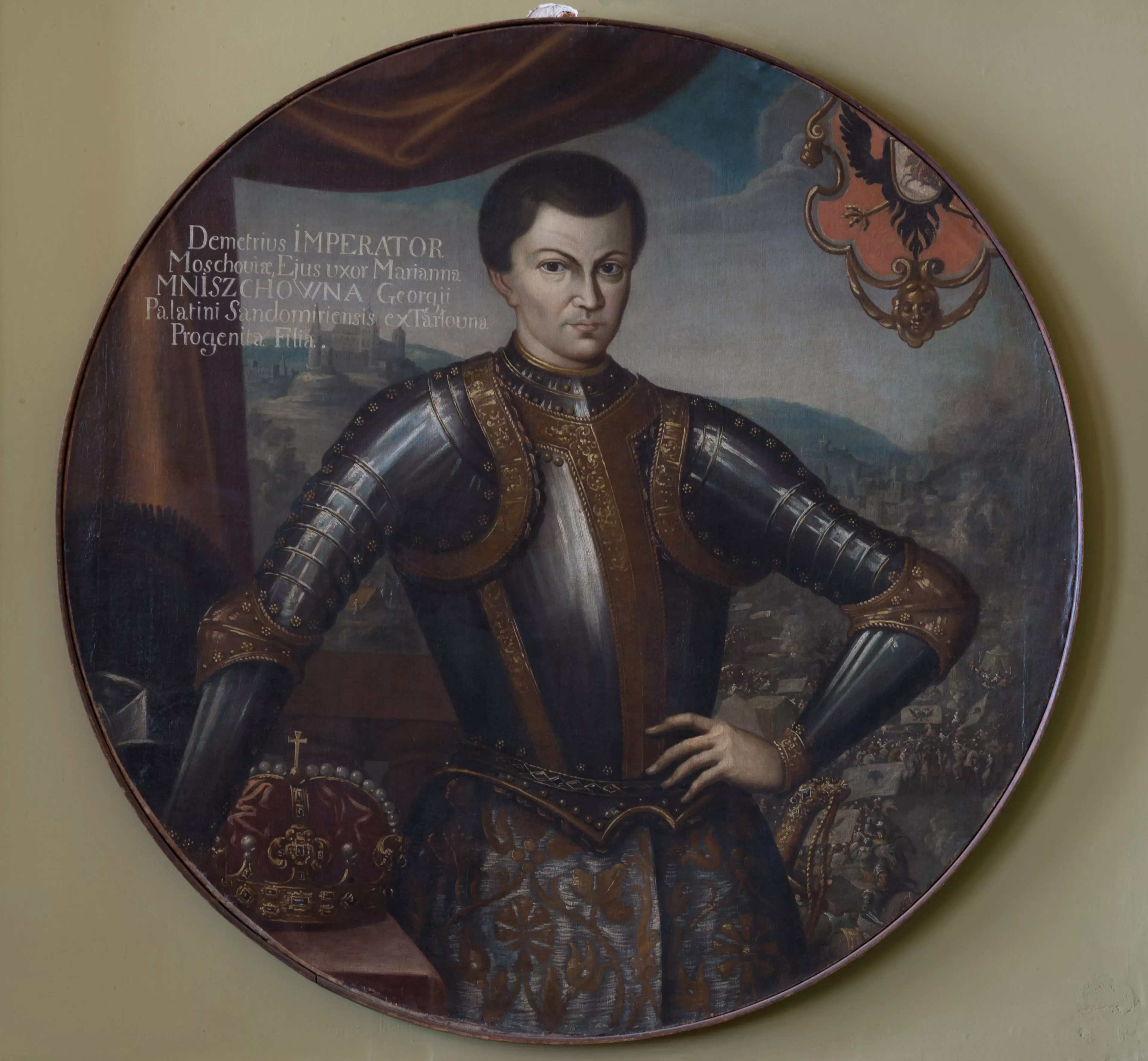
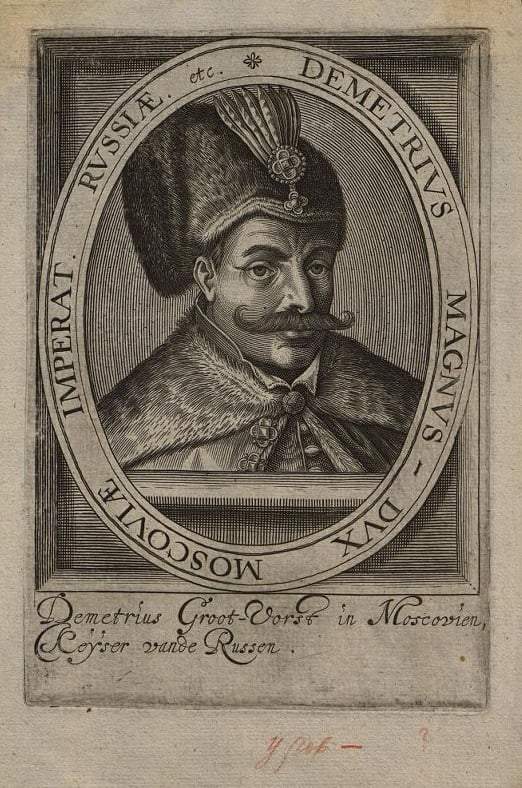
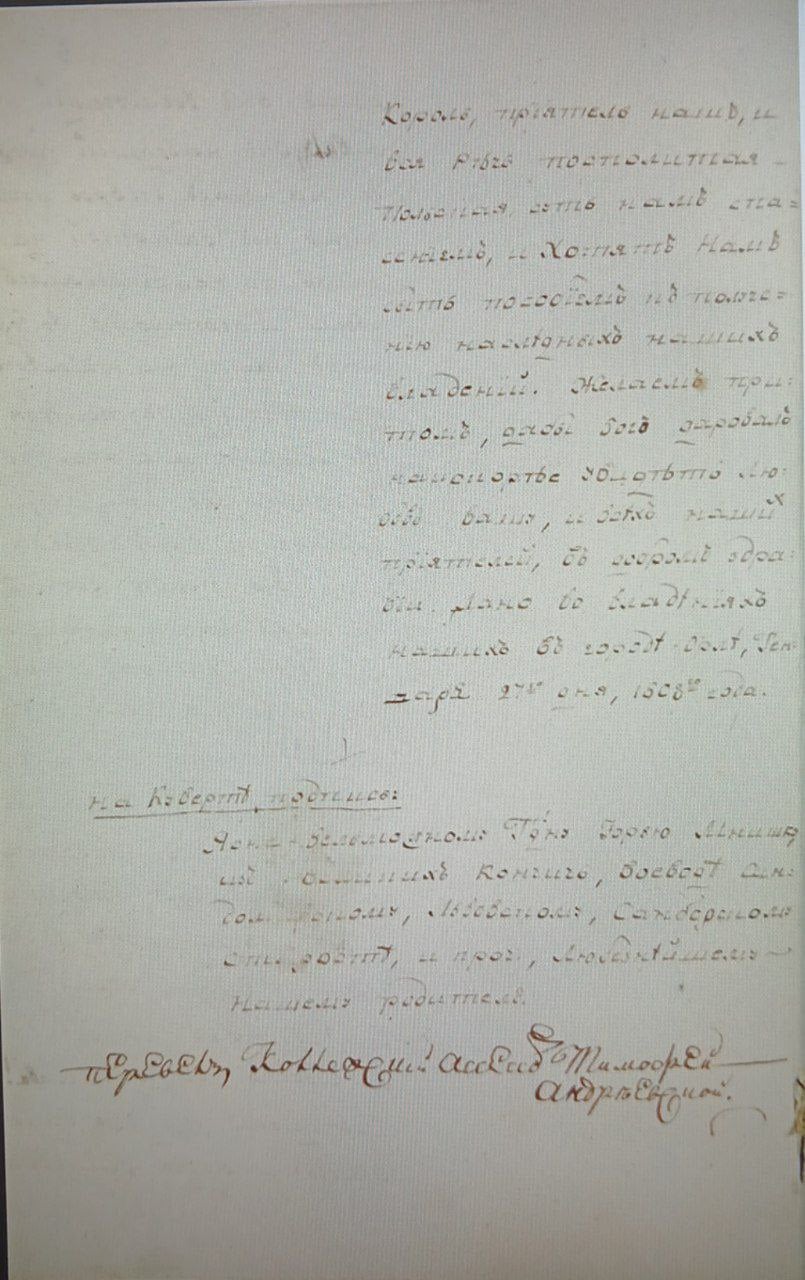
In 1605, the Poles, under the pretext of restoring the rightful throne to Tsarevich Dmitry, whom the poor nobleman Grigory Otrepiev was impersonating, launched a military campaign against Moscow and succeeded in placing their protégé on the Russian throne. What was the Poles' goal? To obtain part of the disputed lands from the Tsardom of Muscovy and to promote the spread of the Catholic faith. However, False Dmitry I himself, after receiving the royal title, stalled for time, knowing that fulfilling such conditions would mean the end of his reign.
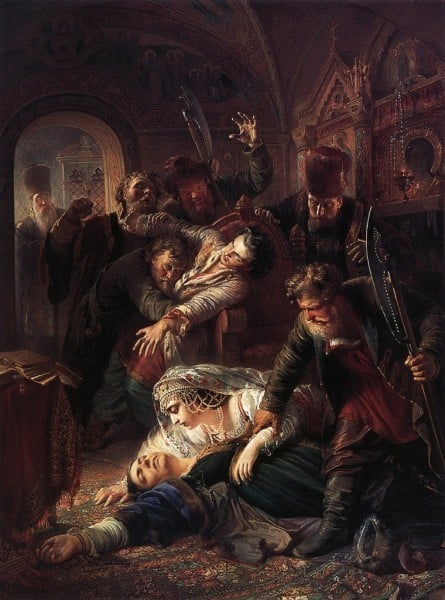
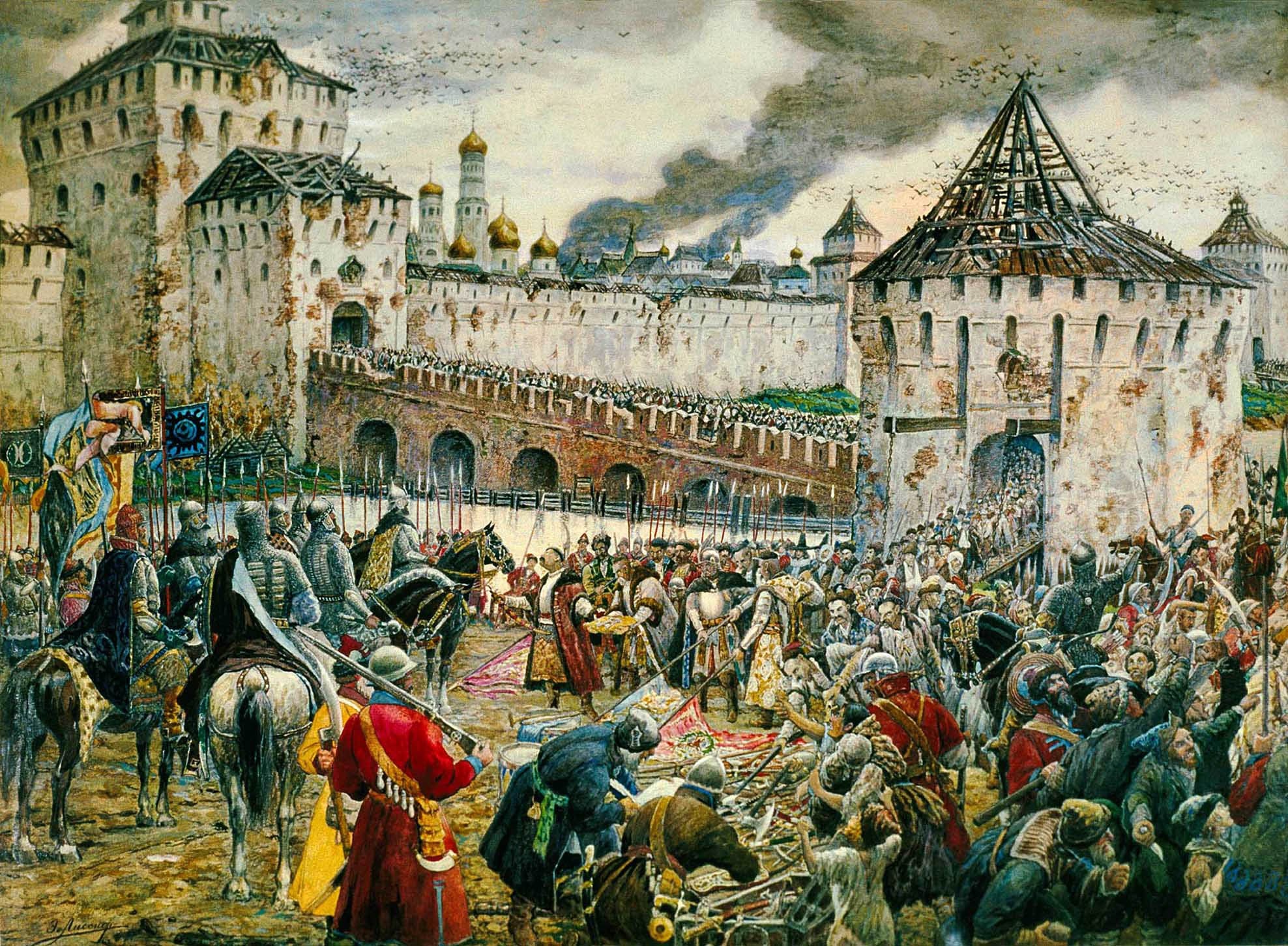
This attempt to "sit on two chairs" ended tragically – the impostor was overthrown with the connivance of Polish troops, who wasted no time in finding a new, more compliant candidate, known to history as False Dmitry II. Nicknamed the "Thief of Tushino," he tried to seize power for several more years, but to no avail. Seeing the futility of attempts to indirectly influence Russian policy, the Polish King Sigismund declared open war on Russia in 1610.
The Time of Troubles became a crucial period in the development of Russian statehood. Having weathered these trials, our country emerged significantly stronger, demonstrating unity in the face of attempts to impose foreign will. In commemoration of these events, a national holiday, National Unity Day, was established in 2004.